
If you’ve ever felt a sharp, shooting pain travel from your lower back down through your leg, you already know how disruptive sciatica can be. It can make sitting uncomfortable, walking painful, and sleeping feel impossible. Here in Nashville, TN, many patients come through the doors at Dohnal Chiropractic describing exactly that experience — and they’re often surprised to learn that there are real, non-surgical options that can help. Understanding what causes sciatica is the first step toward getting your life back, and that’s exactly what this article is here to help you do.
What Is Sciatica?
Sciatica is not a diagnosis on its own — it’s a symptom. It refers to pain, numbness, tingling, or weakness that radiates along the path of the sciatic nerve, which runs from the lower back through the hips and buttocks and down each leg. Most cases affect only one side of the body. The sensation can range from a mild ache to a sharp, burning discomfort that significantly limits daily activity.
- What Causes Sciatica?
- Symptoms to Know and Watch For
- Who Is Most at Risk?
- How Chiropractic Care Fits Into Sciatica Relief
- Practical Tips for Managing Sciatica at Home
- When to See a Chiropractor
- Sciatica Triggers and Their Effects
- Myths vs. Facts About Sciatica
- Final Thoughts
What Causes Sciatica?
Sciatica occurs when the sciatic nerve — the longest nerve in the human body — becomes compressed, irritated, or inflamed somewhere along its path. There are several well-established causes, and knowing which one is at the root of your pain matters a great deal when it comes to choosing the right approach to care.
The most common cause of sciatica is a herniated or bulging disc in the lumbar spine. The discs between your vertebrae act as cushions. When the soft inner material of a disc pushes outward and presses against the sciatic nerve root, pain can radiate all the way down the leg. This is especially common in the L4-L5 and L5-S1 levels of the spine.
Another frequent cause is spinal stenosis — a narrowing of the spinal canal that puts pressure on the nerve roots. This tends to develop gradually with age and is more commonly seen in adults over 50. The narrowing can occur as a result of bone spurs, thickened ligaments, or degenerative changes in the spine over time.
Piriformis syndrome is a less commonly discussed but very real cause of sciatic-like symptoms. The piriformis is a small muscle deep in the buttock that sits directly on top of the sciatic nerve. When this muscle becomes tight or inflamed — often due to prolonged sitting or overuse — it can compress the nerve and mimic classic sciatica. Some healthcare providers distinguish this from true sciatica, but the symptoms can feel identical.
Spondylolisthesis, a condition where one vertebra slips forward over the one below it, can also compress the sciatic nerve. This may develop from a stress fracture, degenerative changes, or a traumatic injury. Similarly, injuries from car accidents or sports can lead to inflammation, misalignment, or muscle tension that places pressure on the nerve. If you’ve been in a collision recently, the team at Dohnal Chiropractic offers auto injury chiropractic care to help address these kinds of structural issues before they worsen.
Finally, it’s worth noting that muscle tension alone — particularly in the lower back and hips — can contribute to nerve irritation even without a disc problem. Poor posture, sedentary habits, and weak core muscles can all change the way load is distributed in the lumbar spine, leading to the kind of nerve compression that produces sciatic pain.

Symptoms to Know and Watch For
Sciatica has a fairly recognizable pattern, though the experience can vary from person to person. The hallmark symptom is pain that follows the course of the sciatic nerve — typically starting in the lower back or buttock and extending down one leg, sometimes all the way to the foot.
The pain itself can feel like a sharp jolt, a deep ache, a burning sensation, or even an electric shock. Some people describe it as a constant throb, while others only feel it when they move in certain ways — like standing up from a chair or sneezing. Alongside the pain, many people experience numbness, tingling, or a “pins and needles” feeling in the leg or foot. In more significant cases, muscle weakness in the affected leg may also develop.
It’s worth noting that sciatica symptoms can sometimes be confused with pinched nerve pain in other areas of the spine, or even with hip pain. Understanding where your symptoms originate — and what’s causing them — is something Dr. Christopher Dohnal takes seriously through a thorough evaluation process before recommending any course of care.
Who Is Most at Risk?
Understanding what causes sciatica also means understanding who is more likely to develop it. While sciatica can affect almost anyone, certain factors increase the likelihood.
Age is one of the most significant contributors. As we get older, the discs in our spine naturally lose moisture and elasticity, making them more prone to herniation. Bone spurs can also develop over time, narrowing the spaces where nerve roots exit the spine. This is simply a part of normal aging, but it doesn’t mean pain is inevitable or untreatable.
Occupation and lifestyle play a major role as well. People who spend long hours sitting — whether at a desk, behind the wheel, or on a couch — are at higher risk because sustained sitting places significant pressure on the lumbar discs. On the flip side, jobs that involve heavy lifting or repetitive twisting can also strain the lower back and trigger sciatica.
Excess body weight increases the load on the spine, which can accelerate disc wear and alter spinal mechanics. Lack of regular physical activity weakens the core and back muscles that normally help support the spine. Even something as simple as consistently poor posture can gradually contribute to the structural changes that lead to nerve compression.
Pregnancy is another common trigger. As the uterus expands and shifts the body’s center of gravity, additional stress is placed on the lumbar spine and sacrum. The hormone relaxin, which loosens ligaments to prepare the body for childbirth, can also lead to joint instability and added nerve pressure. Dr. Christopher Dohnal provides prenatal chiropractic care for expecting mothers in Nashville who are dealing with lower back and sciatic pain during pregnancy.
How Chiropractic Care Fits Into Sciatica Relief
One of the most common questions people ask is whether chiropractic care can actually help with sciatica — and the short answer is that it often can, depending on the underlying cause. Chiropractic is a non-invasive, drug-free approach that focuses on restoring proper alignment and function to the spine and nervous system.
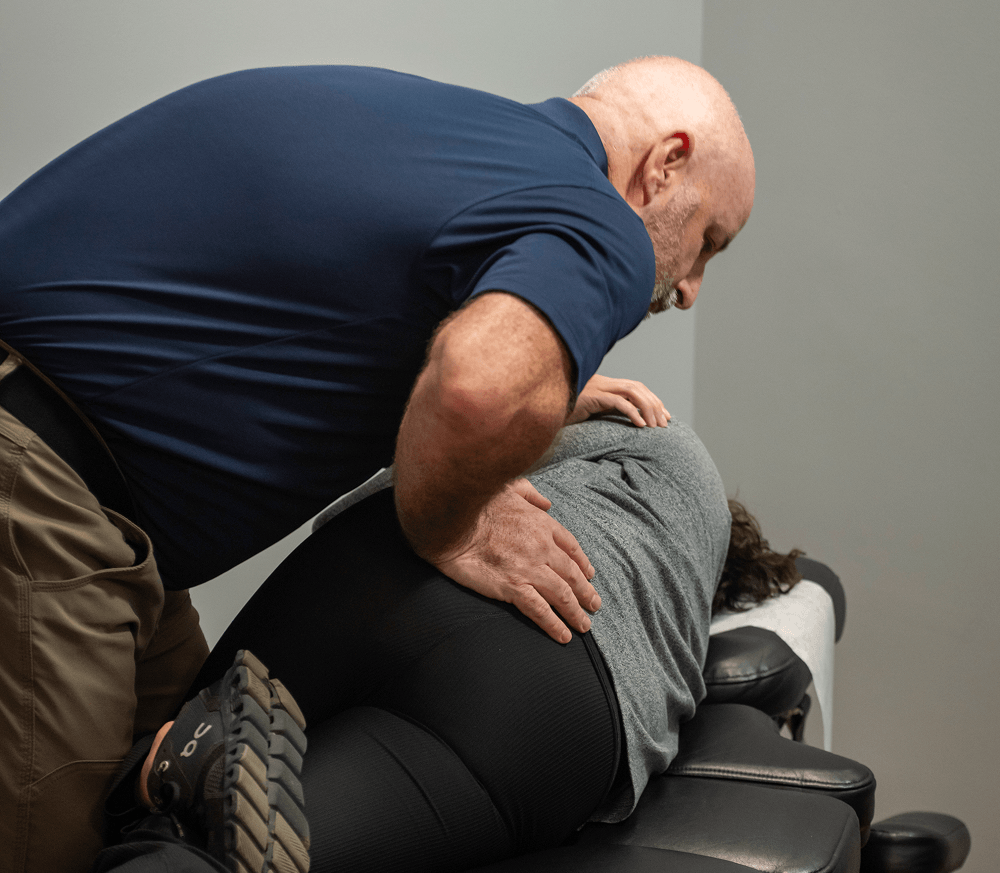
When the spine is misaligned or joints are restricted, they can place undue pressure on surrounding nerves. Chiropractic adjustments work to correct these misalignments, reduce joint restriction, and improve how the spine moves and functions. Over time, this can relieve the mechanical pressure that’s irritating the sciatic nerve. Research suggests that spinal manipulation may be an effective option for people with acute and chronic low back pain and associated leg pain — and organizations like the American College of Physicians have included spinal manipulation among their recommended first-line, non-drug approaches for back pain.
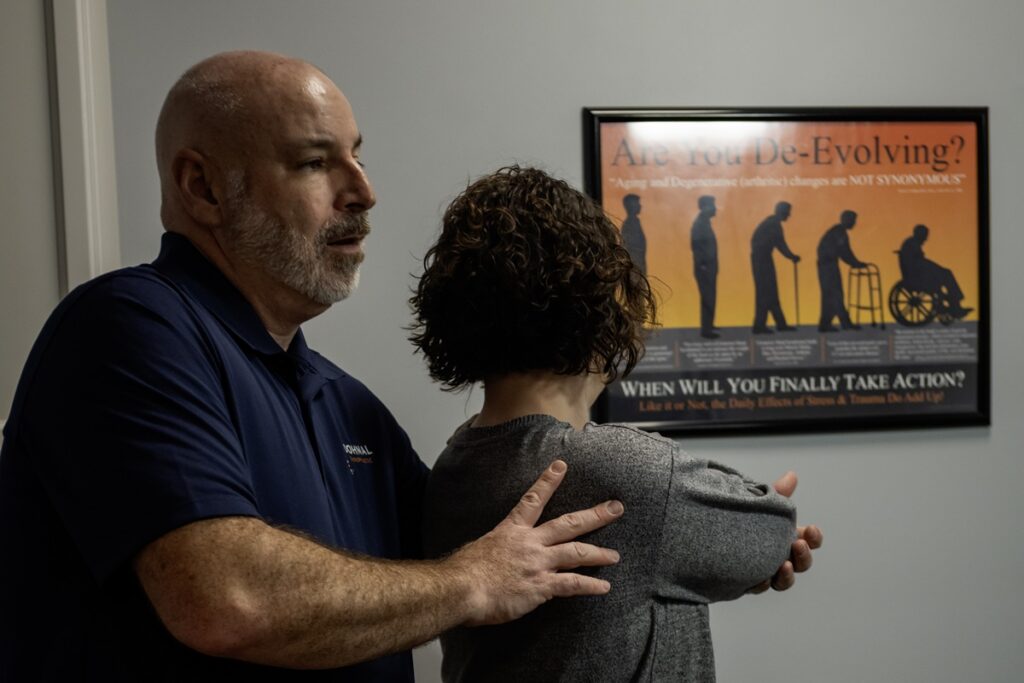
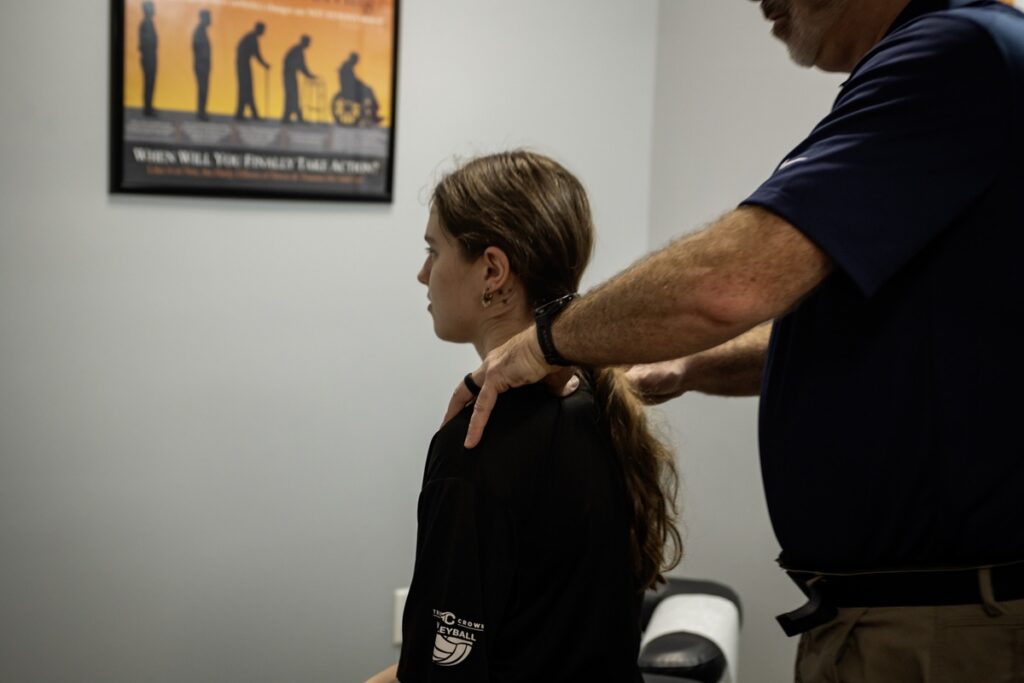
At Dohnal Chiropractic in Nashville, the approach to sciatica treatment is individualized. Dr. Christopher Dohnal doesn’t take a one-size-fits-all approach. After a detailed history and physical assessment, he works with each patient to understand the specific cause of their sciatic pain before building a care plan. For some patients, this may include spinal adjustments. For others, it may involve spinal decompression therapy, which gently stretches the spine to reduce disc pressure and allow herniated material to retract away from the nerve.
Many patients also benefit from combining chiropractic adjustments with physical therapy to strengthen the muscles that support the spine and reduce the likelihood of future flare-ups. This kind of integrated, conservative care is often effective for managing sciatica without resorting to surgery or long-term medication use. You can also read more about the role of chiropractic adjustments in alleviating sciatic pain to get a deeper look at what that process involves.
Practical Tips for Managing Sciatica at Home
While professional care is important for addressing the root cause of sciatica, there are several things you can do between visits — or while you’re waiting to be seen — to manage your discomfort and support your recovery.
Movement, in most cases, is better than rest. Prolonged bed rest tends to worsen sciatica over time by weakening the muscles that stabilize the spine. Short, gentle walks can help reduce nerve irritation and keep blood flowing to the affected area. If walking feels difficult, even standing up and moving around for a few minutes every hour can make a meaningful difference.
Be mindful of your sitting posture. When you sit, your hips should be level with or slightly higher than your knees, and your lower back should have gentle support. Avoid slouching or sitting on very soft surfaces for extended periods. If you work at a desk, consider a lumbar support cushion or adjust your chair height so you’re not rounding your lower back.
Gentle stretching of the piriformis and hip flexors can relieve tension around the sciatic nerve without requiring any equipment. A figure-four stretch, where you cross one ankle over the opposite knee and gently press the knee away from you, is commonly recommended for sciatic discomfort. That said, not every stretch is appropriate for every cause of sciatica — so it’s a good idea to get guidance from Dr. Christopher Dohnal or another qualified provider before starting any new stretching routine.
Ice and heat can also offer temporary relief. Ice tends to be more effective in the first 48-72 hours after a flare-up to reduce inflammation, while heat may help with muscle tension and stiffness once the acute phase passes. Always place a cloth between the ice or heat pack and your skin.

When to See a Chiropractor
If your sciatica symptoms have lasted more than a few days, are interfering with daily life, or keep coming back, it’s time to get a professional evaluation. Sciatica that is left unaddressed can become chronic and more difficult to manage over time. The sooner the cause is identified, the sooner a plan can be put in place to help you feel better.
Chiropractic care is particularly well-suited for sciatica that stems from disc issues, joint misalignment, muscle tension, or postural imbalances — which covers the majority of cases. Dr. Christopher Dohnal at Dohnal Chiropractic in Nashville has experience helping patients with these exact concerns and takes a thorough, patient-centered approach to evaluation and care.
However, there are certain red flags that should prompt an immediate visit to an emergency room or primary care provider rather than a chiropractic office. These include sudden loss of bowel or bladder control, severe weakness in both legs, sciatica following a traumatic injury, or progressive neurological symptoms. These situations may indicate a more serious spinal condition that requires urgent medical attention.
Sciatica Triggers and Their Effects
| Trigger / Cause | What’s Happening in the Body | Common Symptom Pattern |
|---|---|---|
| Herniated Lumbar Disc | Disc material presses against the sciatic nerve root | Sharp leg pain, numbness, tingling — often worse with sitting |
| Spinal Stenosis | Narrowing of the spinal canal compresses nerve roots | Leg pain and fatigue with walking, relieved by sitting or bending forward |
| Piriformis Syndrome | Tight piriformis muscle irritates the sciatic nerve in the buttock | Deep buttock pain, aching down the leg — often worse with sitting or stairs |
| Spondylolisthesis | A vertebra slips forward, narrowing the nerve exit point | Low back pain and leg symptoms, often aggravated by standing or extension |
| Pregnancy-Related Changes | Postural shifts and joint laxity increase lumbar nerve stress | Low back and buttock aching, occasional leg symptoms — especially in third trimester |
| Muscle Tension / Poor Posture | Imbalanced muscles alter spinal mechanics and nerve pressure | Aching or burning pain, often worse at end of day or after prolonged sitting |
Myths vs. Facts About Sciatica
Myth: Sciatica always means you have a herniated disc.
Fact: While herniated discs are a common cause, sciatica can also result from spinal stenosis, piriformis syndrome, spondylolisthesis, pregnancy, or even prolonged muscle tension. A proper evaluation is needed to determine the actual source of nerve irritation — which is why self-diagnosing based on symptoms alone isn’t reliable.
Myth: You should rest completely until sciatica goes away.
Fact: Prolonged bed rest is generally not recommended for sciatica and can actually slow recovery. Gentle movement, walking, and targeted stretching are typically more beneficial than staying sedentary. The goal is to move within a comfortable range while avoiding aggravating positions.
Myth: Chiropractic care is unsafe for sciatica.
Fact: Chiropractic care is widely recognized as a safe, evidence-informed option for managing sciatic pain related to spinal dysfunction. Organizations like the American College of Physicians recommend non-drug, non-surgical approaches — including spinal manipulation — as first-line care for back-related conditions. As with any treatment, the approach is tailored to the individual and their specific diagnosis.
Myth: If your sciatica goes away on its own, it won’t come back.
Fact: Sciatica can and often does recur if the underlying cause isn’t addressed. A temporary reduction in symptoms doesn’t mean the structural or mechanical issue has been resolved. Working with a provider like Dr. Christopher Dohnal to identify and correct the root cause gives you the best chance of long-term relief.
Myth: Surgery is usually necessary for sciatica.
Fact: The vast majority of sciatica cases resolve with conservative care and do not require surgery. Most healthcare guidelines, including those from the National Institute for Health and Care Excellence (NICE), recommend conservative approaches — such as exercise, manual therapy, and education — before considering surgical options. Surgery is typically reserved for cases involving significant neurological compromise that hasn’t responded to other care.
Final Thoughts
Sciatica can be genuinely disruptive to your quality of life, but it doesn’t have to be a permanent condition. Understanding what causes sciatica puts you in a much stronger position to make smart decisions about your health. Whether your pain started from a disc injury, developed gradually over time, or came on during pregnancy, there are conservative options worth exploring before turning to more invasive approaches.
Here in Nashville, TN, Dohnal Chiropractic is committed to helping patients get real answers and meaningful relief. Dr. Christopher Dohnal brings a thorough, thoughtful approach to every evaluation, and the care provided goes well beyond simply managing symptoms. If you’ve been searching for sciatica help near me, or you’re tired of living with lower back and leg pain, we’d encourage you to reach out and schedule a conversation. You deserve to understand what’s going on in your body — and to have a team in your corner who genuinely cares about helping you move forward.
Frequently Asked Questions
How long does sciatica usually last?
Many cases of acute sciatica improve within 4-6 weeks with appropriate care. Chronic sciatica — lasting longer than 12 weeks — is also common, especially when the underlying cause hasn’t been addressed. Early intervention tends to lead to better and faster outcomes.
Can a chiropractor help with sciatica pain?
Yes, chiropractic care can be an effective approach for many types of sciatica, particularly when the pain is related to spinal misalignment, disc issues, or joint dysfunction. Dr. Christopher Dohnal assesses each patient individually to determine whether chiropractic care is appropriate and what type of approach is most likely to help. You can learn more about what to expect from chiropractic care for back pain and related nerve symptoms.
Is it okay to exercise with sciatica?
Gentle movement is generally encouraged, but the type of exercise matters. Low-impact activities like walking and specific stretching exercises are usually well-tolerated. High-impact movements or exercises that place heavy load on the lumbar spine should be avoided until symptoms improve and a provider has cleared you for more activity.
What is the difference between sciatica and a pinched nerve?
Sciatica is actually a type of pinched nerve — specifically, it refers to irritation or compression of the sciatic nerve. The term “pinched nerve” is broader and can refer to nerve compression anywhere in the spine or body. If you’re unsure whether your symptoms are sciatic in nature, an evaluation can help clarify the source. Our article on how to know if you have a pinched nerve is a helpful place to start.
Can sciatica be caused by sitting too much?
Prolonged sitting is a well-recognized contributing factor to sciatica. It increases pressure on the lumbar discs and can compress the sciatic nerve, especially when posture is poor. Standing up regularly, moving throughout the day, and maintaining proper seated posture can all help reduce this risk.
Is spinal decompression therapy an option for sciatica?
For sciatica related to disc herniation or spinal stenosis, spinal decompression therapy may be a helpful option. It works by gently creating space within the spinal canal to relieve nerve pressure. You can read more in our guide on whether spinal decompression therapy is right for you.
TL;DR
- Sciatica is nerve pain caused by compression or irritation of the sciatic nerve — most commonly from a herniated disc, spinal stenosis, or piriformis syndrome.
- Symptoms typically include sharp, shooting pain from the lower back into one leg, along with numbness, tingling, or weakness.
- Risk factors include age, prolonged sitting, heavy lifting, excess weight, poor posture, and pregnancy.
- Chiropractic care — including spinal adjustments and decompression therapy — is a non-invasive, evidence-supported approach to managing sciatica.
- Most cases improve without surgery; early evaluation and conservative care give you the best chance at lasting relief.