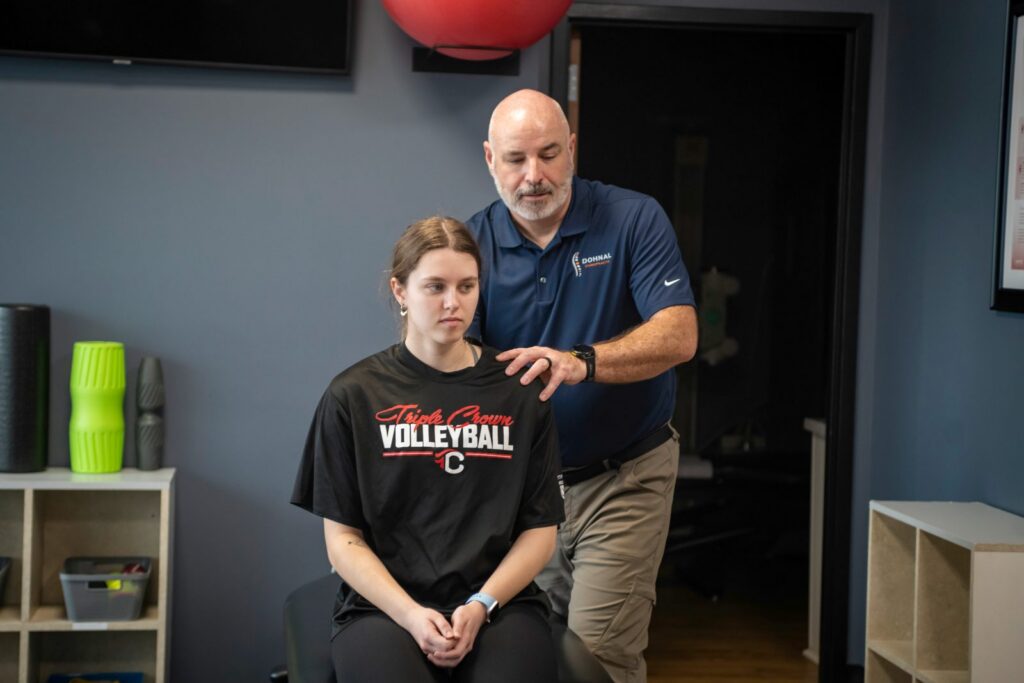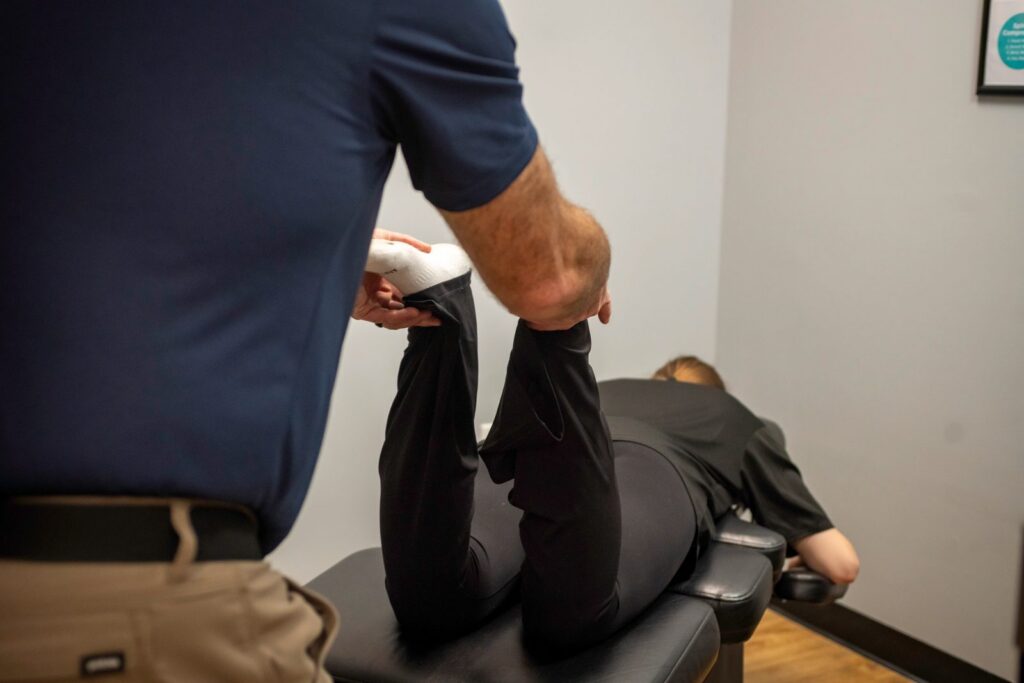


If you’re someone who stays active — whether that means hitting the trails, playing recreational sports, spending weekends in the garden, or keeping up with an intense gym routine — you’ve probably felt the wear and tear that physical activity can put on your joints. Aching knees, stiff hips, sore shoulders — these are some of the most common complaints we hear from active adults right here in Nashville, TN. The good news is that you don’t have to choose between staying active and staying pain-free. Chiropractic care offers a natural, drug-free approach to supporting joint health that can help you keep doing what you love, longer and more comfortably.
What does chiropractic care have to do with joint health?
Chiropractic care focuses on the alignment and function of the musculoskeletal system — the bones, joints, muscles, and connective tissues that allow your body to move. When joints are properly aligned and moving well, your body distributes physical stress more evenly. When something is off, even slightly, it can accelerate wear on specific joints and lead to pain, stiffness, or injury over time. Chiropractic adjustments and supportive care aim to restore proper movement and reduce unnecessary strain on the joints throughout your body.
What Is Joint Health and Why Does It Matter for Active Adults?
Your joints are the hinges, pivots, and gliding surfaces that make every movement possible — from walking and bending to lifting and rotating. Healthy joints move freely, absorb shock effectively, and allow muscles to do their job without compensation. When joint health declines, everything downstream is affected. Muscles work harder to compensate, posture shifts, and the risk of injury goes up.
For active adults, joint health is especially critical. Physical activity places real, repetitive demand on the body. Running creates ground reaction forces that travel through the ankles, knees, hips, and spine. Overhead activities stress the shoulder and cervical joints. Cycling keeps the hips and lumbar spine in sustained flexion. These demands aren’t inherently harmful — in fact, movement is one of the best things for joint health — but they do require the body to be functioning well and recovering properly.
Here in Nashville, TN, we see a wide range of active adults at Dohnal Chiropractic. From weekend warriors and CrossFitters to hikers exploring Percy Warner Park to competitive masters athletes, the common thread is this: they want to keep moving. Joint health is what makes that possible, and it’s something worth investing in proactively — not just when pain becomes a problem.
It’s also worth noting that joint health isn’t just about cartilage. It involves the surrounding ligaments, tendons, muscles, joint capsules, and the nervous system that coordinates all of it. Chiropractic care addresses this full picture, not just isolated symptoms.

Common Causes of Joint Problems in Active Adults
Joint problems in active adults don’t always come from dramatic injuries. More often, they develop gradually from patterns that go unaddressed over time. Understanding the root causes helps you make smarter choices — and helps you know when to reach out for support.
Repetitive movement patterns. When you perform the same movement repeatedly — whether in sport, work, or exercise — certain joints absorb a disproportionate amount of stress. Over time, this can lead to inflammation, irritation, and early degeneration if the mechanics aren’t sound. A runner with a slight hip imbalance, for example, may place excess load on one knee with every single step.
Spinal misalignment and poor posture. The spine is the central axis of your entire musculoskeletal system. When spinal alignment is compromised — from poor posture, old injuries, or everyday habits — it alters how force is distributed throughout the body. This can place uneven stress on peripheral joints like the hips, knees, and shoulders, even when those joints themselves aren’t the primary problem. At Dohnal Chiropractic, Dr. Christopher Dohnal often identifies this pattern in patients who are surprised to learn that their knee pain is connected to how their pelvis and lower back are functioning.
Inadequate recovery and mobility work. Active adults are often great at training but less consistent with recovery. Tight muscles pull on joints and restrict their normal range of motion. Over time, restricted mobility can cause joint surfaces to experience uneven contact, increasing wear and leading to pain.
Previous injuries that weren’t fully rehabilitated. An old ankle sprain, a prior shoulder issue, or an untreated back strain can quietly alter movement mechanics for years. The body compensates, and those compensations often show up elsewhere as new joint problems down the road.
How Chiropractic Care Supports Joint Health
Chiropractic care works by addressing the structural and neurological factors that influence how your joints function. It’s not just about cracking backs — it’s a comprehensive, evidence-informed approach to keeping the musculoskeletal system working the way it was designed to.
Spinal and extremity adjustments. The chiropractic adjustment — also called spinal manipulation — is the most recognized chiropractic technique. When applied to the spine, it helps restore proper motion to joints that have become restricted or misaligned. But chiropractic care also extends to extremity joints: the hips, knees, ankles, shoulders, elbows, and wrists can all be assessed and adjusted when appropriate. Evidence from organizations like the American Chiropractic Association and research published in peer-reviewed journals suggests that spinal and extremity manipulation can help reduce pain and improve joint mobility in a range of musculoskeletal conditions.
Restoring proper movement mechanics. When a joint isn’t moving through its full range of motion, the surrounding tissues — muscles, ligaments, tendons — adapt around that restriction. Dr. Christopher Dohnal works to identify these movement restrictions and address them before they snowball into more significant problems. Restoring joint motion early is far easier than trying to reverse long-standing compensation patterns.
Reducing nervous system interference. The nervous system controls everything your muscles do. When spinal joints are misaligned or dysfunctional, it can interfere with the nerve signals that coordinate muscle activation and joint stability. Chiropractic adjustments aim to remove this interference, allowing the neuromuscular system to function with better coordination and efficiency.
Soft tissue support and rehabilitation guidance. At Dohnal Chiropractic in Nashville, TN, chiropractic care doesn’t exist in a vacuum. Dr. Christopher Dohnal may complement adjustments with soft tissue techniques, rehabilitation exercises, and mobility guidance tailored to the individual. This well-rounded approach supports the joints from multiple angles — not just the joints themselves, but the muscles and structures that support them.
Preventive and maintenance care. One of the most powerful aspects of chiropractic care for active adults is the preventive component. Regular chiropractic check-ups can help identify developing issues before they become injuries, keeping you in the game longer and reducing the likelihood of costly, painful flare-ups.
Practical Tips for Protecting Your Joints
Chiropractic care is a valuable tool, but it works best alongside smart daily habits. Here are some evidence-based, chiropractor-approved practices that support long-term joint health.
Move often, but vary your movement. Joints thrive on movement — but repetitive movement in only one plane or pattern creates uneven wear. Try to incorporate variety into your routine. If you run, add some lateral movement, swimming, or cycling. If you lift weights, balance pushing movements with pulling ones. Variety helps distribute joint stress more evenly across your body.
Prioritize mobility and flexibility work. Tight muscles are joint enemies. When muscles can’t move through a full range, the joint pays the price. Gentle stretching, yoga, and intentional mobility work — especially for the hips, thoracic spine, and shoulders — can make a meaningful difference in how your joints feel over time.
Pay attention to your footwear and surfaces. Worn-out shoes or hard surfaces can increase the impact forces traveling through your knees, hips, and lower back. Replacing athletic footwear regularly and varying your training surfaces is a simple habit that protects your joints.
Stay hydrated and support your nutrition. Cartilage — the cushioning material inside your joints — has no direct blood supply and relies on joint fluid to stay nourished. Staying hydrated supports joint lubrication. A balanced, anti-inflammatory diet rich in vegetables, healthy fats, and quality protein supports both cartilage health and overall tissue recovery.
Listen to your body’s signals. Discomfort is often the body’s early warning system. Persistent joint stiffness in the morning, nagging aches after activity, or reduced range of motion are signs worth paying attention to. Don’t wait for sharp pain before seeking care.
When to See a Chiropractor for Joint Pain
Knowing when to seek chiropractic care is an important part of taking care of your health proactively. Many people wait until they’re in significant pain before reaching out, but earlier intervention is almost always more effective.
Consider scheduling an evaluation at Dohnal Chiropractic if you notice joint stiffness that persists after warming up, recurring aches in the same joint after activity, a reduction in your normal range of motion, or a feeling of imbalance or asymmetry in how you move. These early signals suggest that something in the system isn’t working as efficiently as it should — and that’s exactly what Dr. Christopher Dohnal is trained to assess and address.
If you’ve recently experienced an acute injury — a fall, a collision, or a sudden sharp pain — it’s also appropriate to seek chiropractic evaluation to determine the extent of the issue and whether imaging or a medical referral is needed. Chiropractors are well-positioned to triage musculoskeletal issues and coordinate care with other providers when necessary.
However, some symptoms do warrant immediate medical attention rather than chiropractic care first. Significant joint swelling with redness and warmth, fever accompanying joint pain, sudden loss of strength or sensation, or joint pain following major trauma should be evaluated by a physician or emergency provider promptly. A good chiropractor will always refer you to the appropriate provider when the situation calls for it.
Chiropractic vs. Common Approaches to Joint Pain
|
Approach |
How It Works |
Key Benefit |
Limitation |
|---|---|---|---|
|
Chiropractic Care |
Restores joint alignment, mobility, and nervous system function through manual adjustments and supportive therapies |
Drug-free, addresses root mechanical causes, preventive potential |
Not appropriate for all joint conditions (e.g., fractures, severe arthritis flares) |
|
Over-the-Counter Pain Medication |
Reduces inflammation and pain signals chemically |
Fast, accessible symptom relief |
Does not address the underlying mechanical cause; potential side effects with long-term use |
|
Physical Therapy |
Rehabilitates injured tissues through targeted exercise and manual techniques |
Excellent for rebuilding strength and function post-injury |
May not fully address spinal alignment contributing to peripheral joint problems |
|
Corticosteroid Injections |
Reduces joint inflammation directly through injected medication |
Effective short-term relief for severe inflammation |
Temporary; does not correct the mechanical issue; repeated use may affect tissue integrity |
|
Surgery |
Repairs or replaces damaged joint structures |
Can be essential for severe structural damage |
Invasive, significant recovery time, often appropriate only when conservative care has not helped |

Myths vs. Facts About Chiropractic and Joint Health
Myth: Chiropractic care is only for back pain.
Fact: While chiropractic care is well-known for addressing back and neck pain, it encompasses the entire musculoskeletal system. Chiropractors are trained to assess and treat joint issues throughout the body — including the shoulders, hips, knees, ankles, and wrists. At Dohnal Chiropractic in Nashville, TN, extremity joint care is a regular part of what Dr. Christopher Dohnal provides to active adults.
Myth: If you go to a chiropractor, you’ll have to keep going forever.
Fact: The frequency and duration of chiropractic care is always tailored to the individual. Some patients need a short course of care to resolve an acute issue and then return for periodic maintenance visits by choice. Others prefer to come in only when problems arise. Your care plan should be guided by your goals and your body’s response — not a one-size-fits-all schedule.
Myth: Chiropractic adjustments are dangerous for your joints.
Fact: When performed by a licensed chiropractor, spinal and extremity adjustments are considered a low-risk, conservative intervention. Research published in respected journals, including work reviewed by the Cochrane Library, generally supports the safety of chiropractic manipulation for musculoskeletal conditions when applied appropriately. Chiropractors are trained to screen for contraindications before any adjustment is performed.
Myth: You should rest completely when your joints hurt.
Fact: Complete rest is rarely the best answer for joint pain. Joints need movement to stay healthy — movement promotes circulation of joint fluid, prevents stiffening, and supports tissue healing. Guided, appropriate movement is usually far more beneficial than prolonged rest. A chiropractor can help you understand what movements are safe and helpful during recovery.
Myth: Chiropractic care is only for older adults or people with serious injuries.
Fact: Chiropractic care is appropriate across a wide range of ages and activity levels. In fact, active adults in their 30s, 40s, and 50s benefit enormously from proactive chiropractic care that helps prevent small problems from becoming bigger ones. You don’t need to be in severe pain to benefit from an evaluation.
Final Thoughts from Dohnal Chiropractic
Staying active is one of the most powerful things you can do for your long-term health — and healthy joints are what make that possible. Whether you’re navigating a nagging knee, dealing with a stiff shoulder, or simply want to make sure your body keeps up with your lifestyle, chiropractic care offers a meaningful, natural way to support your joint health from the inside out.
Here in Nashville, TN, the team at Dohnal Chiropractic is committed to helping active adults in our community move better, feel better, and stay in the activities they love. Dr. Christopher Dohnal brings a thoughtful, individualized approach to every patient — looking at the full picture of how your body is functioning, not just the spot where it hurts. The goal isn’t just to get you out of pain. It’s to help you build a stronger, more resilient foundation for everything you do.
If you’ve been putting off addressing a joint concern, or if you’re simply curious about whether chiropractic care could support your active lifestyle, we encourage you to reach out. Taking that first step toward a professional evaluation is always worthwhile — your joints will thank you.
Frequently Asked Questions
Can chiropractic care help with arthritis-related joint pain?
Chiropractic care may help manage some of the pain and stiffness associated with osteoarthritis by improving joint mobility and reducing surrounding muscle tension. It is generally not recommended during acute inflammatory flares of conditions like rheumatoid arthritis. Dr. Christopher Dohnal will evaluate your specific situation to determine the most appropriate approach.
How often should active adults see a chiropractor for joint health?
The right frequency depends on your goals, activity level, and any current symptoms. Some active adults benefit from monthly maintenance visits to stay ahead of developing issues, while others come in seasonally or when problems arise. An initial evaluation at Dohnal Chiropractic can help establish what makes sense for your individual needs.
Is chiropractic care safe for athletes or heavily active individuals?
Yes — chiropractic care is widely used by athletes at all levels, including recreational and competitive adults. It is a non-invasive, drug-free approach that can complement training and recovery. Chiropractors who work with active populations are familiar with the specific demands of sport and exercise on the musculoskeletal system.
What happens during a chiropractic joint evaluation?
During your first visit, your chiropractor will take a thorough health history, assess your posture and movement patterns, and evaluate the affected joints through hands-on examination. This may include range of motion testing, orthopedic tests, and neurological checks. From there, a care plan tailored to your findings and goals will be discussed.
Can chiropractic adjustments help my knees and hips, not just my spine?
Absolutely. Chiropractors are trained to evaluate and treat extremity joints, including the knees, hips, shoulders, and ankles. Extremity adjustments work on the same principles as spinal adjustments — restoring proper joint motion and reducing mechanical stress. Many patients at Dohnal Chiropractic in Nashville, TN seek care specifically for hip and knee concerns.
Will chiropractic care prevent joint problems in the future?
While no approach can guarantee the prevention of all joint problems, regular chiropractic care can help maintain proper alignment, improve movement efficiency, and identify mechanical issues early — all of which support long-term joint health. Think of it as ongoing maintenance for your musculoskeletal system, much like regular tune-ups for your car.
TL;DR Summary
-
Joint health is essential for active adults, and chiropractic care offers a natural, drug-free way to support it by addressing alignment, mobility, and nervous system function.
-
Common causes of joint problems in active people include repetitive movement patterns, spinal misalignment, poor recovery habits, and old injuries that weren’t fully rehabilitated.
-
Dr. Christopher Dohnal at Dohnal Chiropractic in Nashville, TN provides individualized chiropractic care that goes beyond back pain — including assessment and treatment of hip, knee, shoulder, and other extremity joints.
-
Practical habits like movement variety, consistent mobility work, proper footwear, and hydration complement chiropractic care and protect your joints over time.
-
Don’t wait for severe pain to seek care — earlier evaluation leads to better outcomes, and proactive chiropractic check-ups can help prevent small issues from becoming significant problems.