

If you’ve been living with persistent back pain, radiating leg pain, or the kind of neck stiffness that makes it hard to get through the day, you’ve probably wondered whether there’s a non-surgical option that could actually help. Spinal decompression treatment in Nashville is one of those options — and it’s one that more and more patients at Dohnal Chiropractic are turning to when they want real relief without surgery or medication. This article walks you through exactly what spinal decompression is, how it works, who it’s best suited for, and what to expect when you pursue this type of care right here in Nashville, TN.
What Is Spinal Decompression Treatment?
Spinal decompression therapy is a non-invasive, traction-based treatment designed to gently stretch the spine in a way that takes pressure off compressed spinal discs and nerves. By creating negative pressure within the disc space, it encourages retraction of bulging or herniated disc material and promotes the flow of nutrients, oxygen, and fluids back into the disc. It’s a conservative, drug-free approach to spinal pain that is widely used in chiropractic and physical medicine settings.
- What Is Spinal Decompression and How Does It Work?
- Conditions That Spinal Decompression May Help
- What to Expect During a Spinal Decompression Session
- How Chiropractic Care Fits Into Your Decompression Plan
- Practical Tips to Support Your Recovery
- When to See a Chiropractor for Spinal Decompression
- Myths vs. Facts About Spinal Decompression
- Final Thoughts from Dohnal Chiropractic in Nashville
What Is Spinal Decompression and How Does It Work?
To understand spinal decompression, it helps to first understand what happens when a spinal disc becomes compromised. Your spinal discs act as cushions between the vertebrae of your spine. They absorb shock, allow for movement, and protect your spinal cord and nerve roots. When these discs become compressed — through injury, poor posture, age-related wear, or repetitive stress — they can bulge, herniate, or degenerate in ways that put significant pressure on nearby nerves.
Mechanical spinal decompression uses a specialized motorized table to apply gentle, intermittent traction to the spine. The table is computer-controlled, meaning the force, angle, and duration of each pull can be customized to your specific anatomy and condition. As the spine is slowly and carefully elongated, the pressure inside the disc decreases. This negative intradiscal pressure can draw herniated or bulging disc material back toward the center of the disc, relieving the pressure it was placing on surrounding nerve roots.
Beyond just relieving nerve compression, this process also promotes the movement of water, oxygen, and essential nutrients back into the disc. Discs have a limited blood supply, so they rely largely on this kind of fluid exchange to stay healthy and heal. By supporting that process, spinal decompression therapy can help address the underlying issue — not just mask the pain.
It’s worth noting that spinal decompression is different from simple inversion therapy or basic traction. Computerized decompression tables allow for precise control over angles and forces, which makes treatment more targeted and more comfortable than older forms of traction. At Dohnal Chiropractic in Nashville, Dr. Christopher Dohnal tailors every session to the individual patient’s needs.
Conditions That Spinal Decompression May Help
Spinal decompression treatment in Nashville is most commonly sought by patients dealing with disc-related pain, but it can be appropriate for a range of conditions. Understanding which issues respond well to this therapy helps set realistic expectations and ensures you’re pursuing the right type of care.
One of the most common reasons patients seek decompression therapy is a herniated disc. When disc material pushes out and presses on a nerve root, it can cause sharp, shooting pain, numbness, or tingling that radiates into the arms or legs. Decompression creates the kind of environment that may allow that disc material to shift back and relieve nerve irritation over time.
Sciatica is another condition that responds well to this type of care. Sciatica treatment often involves addressing the root cause of nerve compression in the lumbar spine, and decompression therapy can be a powerful tool in that process. If you’re curious about the deeper mechanics behind this condition, our article on what causes sciatica and how to find relief is a great place to start.
Degenerative disc disease, facet syndrome, and certain cases of spinal stenosis may also benefit from a structured decompression program. Patients experiencing neck pain related to cervical disc problems can benefit from cervical decompression, which uses the same principles applied to the upper spine. For a deeper look at how neck pain develops and what can be done about it, our guide on neck pain causes, symptoms, and chiropractic solutions is a helpful resource.
That said, spinal decompression is not the right fit for everyone. It is generally not recommended for individuals with fractures, severe osteoporosis, certain types of tumors, or those who are pregnant. A thorough evaluation by Dr. Christopher Dohnal is always the first step in determining whether this therapy is appropriate for you.

What to Expect During a Spinal Decompression Session
Many patients arrive at Dohnal Chiropractic in Nashville nervous about what spinal decompression will feel like. The good news is that most people find it surprisingly comfortable — some even fall asleep during their sessions. Here’s a general idea of what the experience involves.
You’ll be fully clothed and comfortably positioned on the decompression table. For lumbar (lower back) decompression, a harness is fitted around your pelvis and lower trunk. For cervical (neck) decompression, a gentle cradle supports your head. The table then performs slow, rhythmic stretching movements based on the treatment protocol Dr. Christopher Dohnal has set for your case.
Sessions typically last between 20 and 45 minutes. Treatment plans usually involve multiple sessions spread out over several weeks, as the cumulative effect of repeated decompression tends to produce better outcomes than a single session. Your chiropractor will monitor your progress and adjust the protocol as needed based on how you’re responding.
Many patients begin noticing improvement within the first few sessions, though the timeline varies depending on the severity and duration of the condition. It’s important to attend all recommended sessions and communicate openly with Dr. Christopher Dohnal about how you’re feeling throughout the process. If you’re weighing whether this therapy is the right move for your situation, our article on whether spinal decompression is right for you walks through the key considerations.
How Chiropractic Care Fits Into Your Decompression Plan
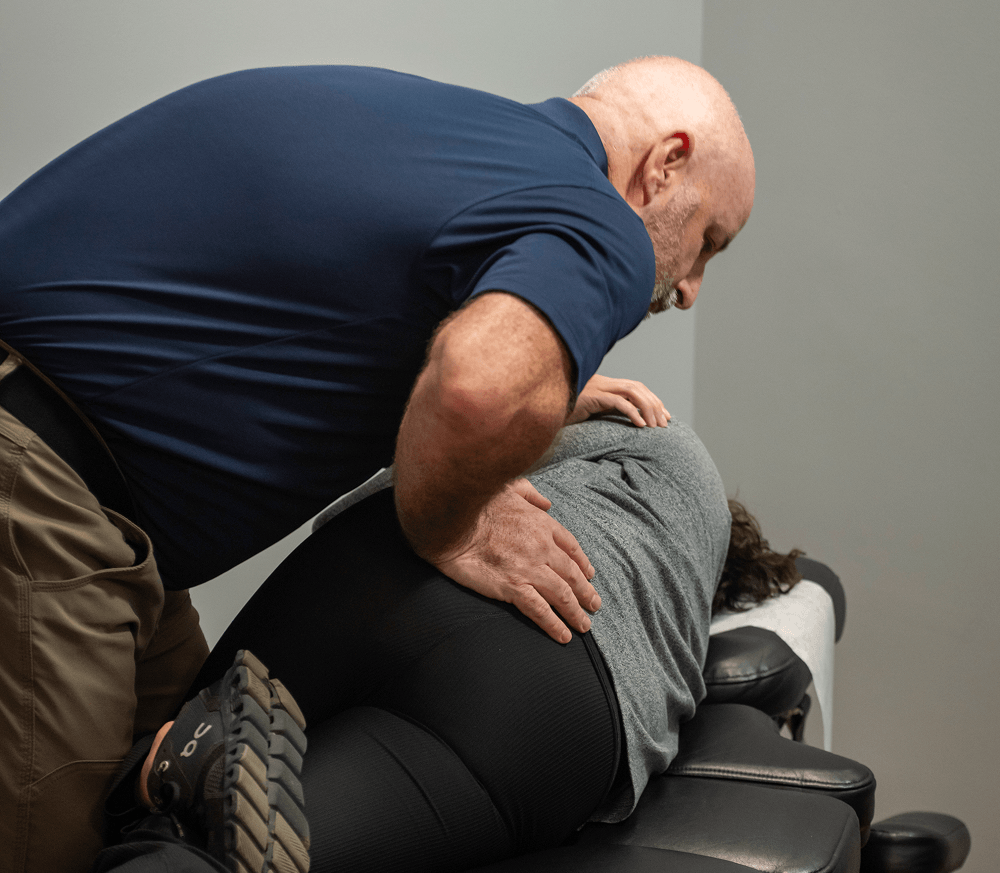
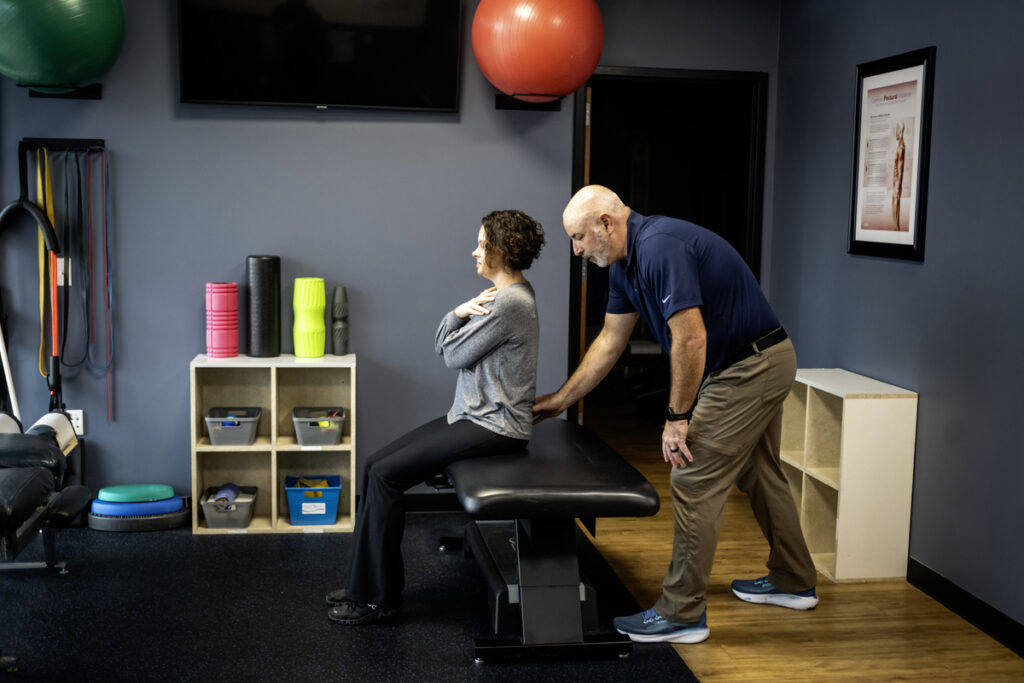
Spinal decompression therapy works best when it’s part of a broader, coordinated care plan — and that’s exactly how it’s approached at Dohnal Chiropractic. Dr. Christopher Dohnal doesn’t rely on decompression alone. Instead, he integrates it with chiropractic adjustments, corrective exercises, and when appropriate, physical therapy to support the healing process from multiple angles.
Chiropractic adjustments work hand-in-hand with decompression by restoring proper alignment and mobility to the vertebral joints. When the spine is better aligned, the decompression sessions become more effective and the healing environment is improved. Think of it like preparing the soil before planting — the adjustments help ensure the decompression can do its job well.
Physical therapy elements such as targeted strengthening exercises help stabilize the spine after decompression, reducing the risk of re-injury. Weak core and spinal muscles are often a contributing factor in disc problems, and addressing that weakness is an important part of lasting recovery. Our team at Dohnal Chiropractic takes a comprehensive view of your spine health — not just treating the pain, but working to address what caused it in the first place.
Here in Nashville, many patients also come to us following auto accidents that have caused disc injuries or whiplash. If you’ve been in a collision and are dealing with lingering spinal pain, our auto injury chiropractic care services are designed to help you recover and regain function safely. Similarly, athletes dealing with disc-related injuries may find our sports chiropractic care approach beneficial alongside decompression treatment.
Practical Tips to Support Your Recovery
Spinal decompression treatment in Nashville can make a meaningful difference, but what you do outside of the clinic matters just as much as what happens on the table. Supporting your spine between sessions can speed up your progress and help the results last longer.
Staying hydrated is more important for spinal health than most people realize. Spinal discs are largely composed of water, and maintaining proper hydration helps them stay resilient and function correctly. Aim for consistent daily water intake, especially if you’re active or live in a warm climate like we do here in Tennessee.
Movement is medicine — but the right kind of movement. Gentle, low-impact activities like walking or swimming can promote circulation and reduce stiffness without overloading the spine. Avoid heavy lifting, high-impact activities, or prolonged sitting during your treatment program unless Dr. Christopher Dohnal has cleared you for them.
Posture deserves serious attention as well. Many disc problems are either caused or worsened by poor sitting and standing habits over time. If you want to understand just how significant this can be, our article on the long-term cost of poor posture is an eye-opening read. Make sure your workstation is ergonomically set up, and try to avoid slumping or craning your neck forward when using screens.
Sleep position matters too. Sleeping on your side with a pillow between your knees, or on your back with a pillow under your knees, can reduce spinal stress while you rest and recover.

When to See a Chiropractor for Spinal Decompression
If you’ve been dealing with back or neck pain for more than a few weeks and conservative measures like rest or over-the-counter medication haven’t brought lasting relief, it may be time to explore spinal decompression treatment in Nashville. Persistent pain that radiates into the arms or legs, numbness or tingling in the extremities, and sharp pain that worsens with sitting or bending are all signs that a disc or nerve issue may be at play.
You should also consider an evaluation if you’ve already been told by another provider that surgery might be necessary. Many patients find that a structured course of conservative care — including spinal decompression — can help them avoid surgery altogether. It’s always worth exploring non-invasive options first when they are clinically appropriate.
However, there are certain red flags that warrant immediate medical attention rather than chiropractic care. These include sudden loss of bladder or bowel control, severe weakness or paralysis in a limb, signs of infection (fever, chills, unexplained weight loss alongside spinal pain), or a history of cancer that may involve the spine. In any of these cases, please seek emergency medical care right away. Dr. Christopher Dohnal and the team at Dohnal Chiropractic will always refer patients to the appropriate provider when a situation falls outside the scope of chiropractic care.
| Condition / Symptom | May Respond to Decompression | Requires Medical Evaluation First |
|---|---|---|
| Herniated or bulging disc | Yes — commonly treated with decompression | Imaging recommended to confirm diagnosis |
| Sciatica (radiating leg pain) | Yes — especially lumbar nerve root compression | If severe or accompanied by weakness |
| Degenerative disc disease | Yes — may help slow progression and reduce pain | Severity assessment recommended |
| Cervical disc pain / neck pain | Yes — cervical decompression available | If numbness in hands or arms is present |
| Spinal stenosis (mild to moderate) | Possibly — case-by-case basis | Imaging and thorough evaluation required |
| Osteoporosis or fractures | No — not appropriate | Yes — medical management needed |
| Pregnancy | No — not recommended | Prenatal chiropractic options available instead |
Myths vs. Facts About Spinal Decompression
Myth: Spinal Decompression Is the Same as Old-Fashioned Traction
Fact: While both involve stretching the spine, modern computerized spinal decompression is significantly more advanced than older traction tables. The computer-controlled system varies the force and angle throughout the session to prevent the muscles from guarding against the stretch — which is what made older traction less effective. The result is a more targeted and therapeutic experience.
Myth: Spinal Decompression Is Painful
Fact: Most patients describe the experience as comfortable, and many find it quite relaxing. There may be some mild soreness after the first few sessions as the body adjusts, similar to what you might feel after starting a new exercise routine. Dr. Christopher Dohnal monitors every patient’s comfort level closely and adjusts the treatment accordingly.
Myth: You’ll Only Need a Few Sessions to Be Fully Healed
Fact: Spinal decompression works cumulatively, and a full treatment program is typically necessary to achieve meaningful, lasting results. A single session may provide temporary relief, but the structural changes that lead to sustained improvement take time and repeated treatment. Patience and consistency are key.
Myth: Spinal Decompression Can Fix Any Back Problem
Fact: Spinal decompression is best suited for disc-related conditions and specific nerve compression issues. It is not appropriate for all causes of back pain, and it is contraindicated in certain cases. A proper evaluation is essential to determine whether it’s the right tool for your specific situation.
Myth: If Surgery Was Recommended, It’s Too Late for Conservative Care
Fact: Many patients who have been told they may need surgery find meaningful relief through conservative care, including spinal decompression. While it’s not a replacement for surgery in every case, evidence suggests that non-invasive approaches like decompression therapy are worth pursuing before considering surgical intervention for disc-related conditions. Always discuss all your options with your healthcare team.
Final Thoughts from Dohnal Chiropractic in Nashville
Living with chronic spinal pain is exhausting — physically, emotionally, and in terms of the toll it takes on your daily life. Here in Nashville, TN, the team at Dohnal Chiropractic understands that every patient’s situation is unique, and that’s why Dr. Christopher Dohnal takes the time to thoroughly evaluate each person before recommending a course of care.
Spinal decompression treatment in Nashville is one of the most effective, non-invasive tools available for disc-related pain, and it’s offered as part of a comprehensive, individualized treatment plan at Dohnal Chiropractic. Whether you’re dealing with a herniated disc, persistent sciatica, or chronic neck pain that hasn’t responded to other treatments, this therapy may be worth exploring. You can also read more about the basics of chiropractic care for back pain in our article on understanding chiropractic care for back pain to get a fuller picture of your options.
We believe in empowering our Nashville community with real information so you can make confident, informed decisions about your health. If you’re ready to find out whether spinal decompression is right for you, reach out to Dohnal Chiropractic. Dr. Christopher Dohnal and the entire care team are here to help you move forward — without surgery, without heavy medication, and with your long-term wellbeing in mind.
Frequently Asked Questions
How many spinal decompression sessions will I need?
Most treatment plans involve anywhere from 15 to 30 sessions spread over several weeks, depending on the severity of your condition and how your body responds. Dr. Christopher Dohnal will evaluate your progress regularly and adjust the plan as needed. Consistency throughout the full course of care tends to produce the best results.
Is spinal decompression covered by insurance?
Coverage for spinal decompression therapy varies widely depending on your insurance plan and provider. It’s best to contact your insurance company directly and ask about coverage for non-surgical spinal decompression. Our team at Dohnal Chiropractic can help you understand your options.
Can spinal decompression help with sciatica?
Yes, spinal decompression is commonly used to address sciatica caused by lumbar disc herniation or nerve root compression. By reducing pressure on the affected nerve, it can help relieve the radiating pain, numbness, and tingling associated with sciatica. Results vary, and a proper evaluation is important to confirm that decompression is the right approach for your specific case.
Is spinal decompression safe?
When performed by a trained chiropractor on an appropriate candidate, spinal decompression is considered a safe, non-invasive treatment. It is contraindicated for certain conditions, which is why a thorough evaluation before beginning treatment is essential. Dr. Christopher Dohnal screens all patients carefully to ensure safety and suitability.
What is the difference between spinal decompression and a chiropractic adjustment?
A chiropractic adjustment involves a precise, controlled force applied to a spinal joint to restore alignment and mobility. Spinal decompression, on the other hand, uses sustained and intermittent traction to reduce disc pressure and promote healing within the disc itself. Both are valuable, and at Dohnal Chiropractic they are often used together as complementary therapies.
Can spinal decompression help me avoid back surgery?
For many patients with disc herniations or degenerative disc disease, conservative care — including spinal decompression — may help reduce pain and improve function enough to avoid surgery. While it’s not a guaranteed alternative for every patient, evidence suggests it’s worth exploring before pursuing surgical options for appropriate conditions. A consultation with Dr. Christopher Dohnal can help clarify whether this is a realistic option for you.
TL;DR
- Spinal decompression treatment in Nashville is a non-invasive, drug-free therapy that gently stretches the spine to relieve disc and nerve pressure.
- It is most effective for herniated discs, sciatica, degenerative disc disease, and cervical disc-related neck pain — but requires proper evaluation to confirm candidacy.
- Sessions are generally comfortable, last 20–45 minutes, and are most effective when completed as part of a full treatment plan over several weeks.
- At Dohnal Chiropractic in Nashville, TN, Dr. Christopher Dohnal combines decompression with chiropractic adjustments and physical therapy for a comprehensive approach to spinal health.
- If you’ve been living with persistent back or neck pain and want to explore non-surgical options, spinal decompression may be worth discussing with a qualified chiropractor.