
You’ve probably heard someone say “stand up straight” more times than you can count. Maybe you brushed it off, thinking posture was just about looking confident or avoiding a temporary backache. But the truth is, poor posture isn’t just a cosmetic issue or a minor inconvenience. It’s a silent contributor to serious health problems that accumulate over years—problems many people don’t connect to how they’ve been sitting, standing, and moving for decades.
Here in Nashville, we see patients every week who are dealing with chronic pain, reduced mobility, and diminished quality of life—much of it rooted in postural habits formed years earlier. The good news? Understanding how posture affects your long-term health is the first step toward protecting yourself. Whether you’re in your twenties, forties, or sixties, it’s never too late to make positive changes.
What does “poor posture” actually mean? Poor posture refers to body alignment that deviates from the spine’s natural curves, placing excessive stress on muscles, ligaments, joints, and nerves. Common examples include forward head posture, rounded shoulders, excessive slouching, and anterior pelvic tilt. Over time, these misalignments create compensatory patterns that lead to pain, dysfunction, and degenerative changes.
Table of Contents
- The Hidden Costs of Poor Posture That Build Over Time
- Spinal Degeneration and Disc Problems
- Nervous System Interference and Health Consequences
- Chronic Pain Patterns That Develop Gradually
- How Chiropractic Care Addresses Postural Dysfunction
- Practical Strategies to Protect Your Posture Today
- When to See a Chiropractor About Posture
- Myths vs. Facts About Posture and Long-Term Health
- Final Thoughts
The Hidden Costs of Poor Posture That Build Over Time
When you slouch at your desk or crane your neck forward to look at your phone, you might feel fine in the moment. Perhaps a little stiffness at the end of the day, but nothing serious. This is precisely why poor posture is so dangerous—it doesn’t announce itself with immediate, dramatic symptoms. Instead, it works quietly in the background, gradually altering your biomechanics and creating structural problems that manifest years or even decades later.
Think of poor posture like a slow leak in your roof. You might not notice water damage right away, but over months and years, the structure weakens. By the time you see visible problems, significant damage has already occurred. The same principle applies to your musculoskeletal system.
Research indicates that postural stress accumulates over time, leading to measurable changes in spinal alignment, muscle balance, and joint integrity. The National Institutes of Health has documented how chronic postural deviation contributes to conditions ranging from tension headaches to accelerated osteoarthritis. These aren’t sudden developments—they’re the result of thousands of hours spent in compromised positions.
The Biomechanical Cascade
Your body is designed to distribute forces evenly when properly aligned. When you maintain good posture, the natural curves of your spine—cervical lordosis, thoracic kyphosis, and lumbar lordosis—work together to absorb shock and support your weight efficiently. Muscles work in balanced partnerships, and joints move through their intended ranges of motion.
Poor posture disrupts this balance. When your head shifts forward even a couple of inches, the weight your neck muscles must support increases dramatically—some biomechanical studies suggest each inch of forward head posture adds approximately 10 pounds of perceived weight on the cervical spine. Your muscles compensate by working harder, creating tension patterns that become chronic. Ligaments stretch beyond their optimal length. Joints experience uneven wear.
Over years, these compensations become your new normal. Your nervous system adapts to dysfunction, and what started as a reversible muscle imbalance becomes a structural problem involving ligament laxity, disc degeneration, and altered joint mechanics.
Spinal Degeneration and Disc Problems
One of the most significant long-term costs of poor posture is accelerated spinal degeneration. Your intervertebral discs—the cushions between your vertebrae—are designed to handle compressive forces when your spine is properly aligned. When posture is compromised, these forces become uneven and excessive.
Discs don’t have their own blood supply. They receive nutrition through movement and proper spinal mechanics. When chronic poor posture limits healthy movement patterns and creates sustained pressure on one side of a disc, that disc begins to degenerate prematurely. The outer ring (annulus fibrosus) weakens, the inner gel (nucleus pulposus) loses hydration, and the disc’s shock-absorbing capacity diminishes.
This process, called degenerative disc disease, is often considered a normal part of aging. But the reality is that poor postural habits significantly accelerate this degeneration. We see patients in their thirties and forties with disc changes that shouldn’t appear until much later—if at all—simply because their posture has been creating excessive, uneven stress for years.
Arthritis and Bone Spurs
As discs degenerate and postural alignment worsens, your joints respond by laying down extra bone tissue in an attempt to stabilize unstable areas. These bone spurs (osteophytes) are your body’s compensation mechanism, but they can create their own problems—nerve compression, reduced range of motion, and increased stiffness.
Osteoarthritis of the spine is not an inevitable consequence of aging. Evidence suggests that biomechanical stress from chronic poor posture is a major contributing factor. When joints are misaligned for extended periods, cartilage wears unevenly, inflammatory processes increase, and degenerative changes accelerate.
Nervous System Interference and Health Consequences
Your spine isn’t just a structural support system—it’s the protective housing for your spinal cord and nerve roots. When poor posture alters spinal alignment, it can create interference with nervous system function. This is a fundamental principle in chiropractic care and one that has significant implications for your overall health.
Nerves exit your spine through small openings called intervertebral foramina. When vertebrae shift out of their ideal position due to chronic postural stress, these openings can narrow, creating pressure on nerve tissue. This doesn’t always cause dramatic symptoms like shooting pain or numbness, though it can. Often, the interference is subtle—reduced nerve conductivity, altered proprioception (your body’s sense of position), or diminished organ function.
The vagus nerve, which runs through the cervical spine region, plays a crucial role in regulating many involuntary body functions, including digestion, heart rate, and immune response. Forward head posture and upper cervical misalignment can impact vagal tone, potentially contributing to a range of health issues that seem unrelated to posture at first glance.
Balance and Fall Risk
As we age, balance becomes increasingly important for maintaining independence and avoiding injury. Poor posture significantly compromises balance by shifting your center of gravity and interfering with proprioceptive feedback from your spine and joints. Research published in journals focusing on aging and rehabilitation has shown that postural dysfunction is a risk factor for falls in older adults.
Here in Nashville, we work with many patients who want to stay active well into their retirement years. Maintaining good posture isn’t just about comfort—it’s about preserving the neurological and biomechanical function necessary for stability and coordination.
Chronic Pain Patterns That Develop Gradually
While poor posture doesn’t always cause immediate pain, it almost inevitably leads to chronic pain patterns later in life. The mechanisms are multiple and overlapping.
First, muscles that are chronically overworked due to compensating for poor alignment develop trigger points—hyperirritable spots that refer pain to other areas. Someone with forward head posture might develop trigger points in their upper trapezius muscles that cause headaches, or trigger points in their levator scapulae that create neck and shoulder pain.
Second, ligaments that are chronically overstretched lose their ability to provide stability. This leads to joint hypermobility in some areas and restricted motion in others—a pattern we see frequently in patients with longstanding postural dysfunction. The body responds with muscle guarding and tension, creating a vicious cycle of pain and restriction.
Third, altered biomechanics change how forces distribute through your entire kinetic chain. Poor upper body posture affects your lower back. Lower back misalignment affects your hips and knees. These cascading effects mean that a postural problem in one area can create pain seemingly unrelated areas years later.
The Headache Connection
Chronic tension headaches and even some migraines have been linked to cervical spine dysfunction and forward head posture. When the muscles at the base of your skull remain in constant tension and upper cervical vertebrae lose their proper alignment, nerve irritation and vascular changes can trigger frequent headaches.
Many patients don’t realize their headaches—which they may have struggled with for years—are connected to the way they sit at their computer or look at their phone. Addressing the underlying postural dysfunction often provides more lasting relief than simply treating the symptom with medication.
How Chiropractic Care Addresses Postural Dysfunction
At Dohnal Chiropractic, we approach poor posture not as a cosmetic issue but as a functional problem with real health consequences. Chiropractic care offers a conservative, non-invasive way to address both the immediate symptoms and the underlying biomechanical causes of postural dysfunction.
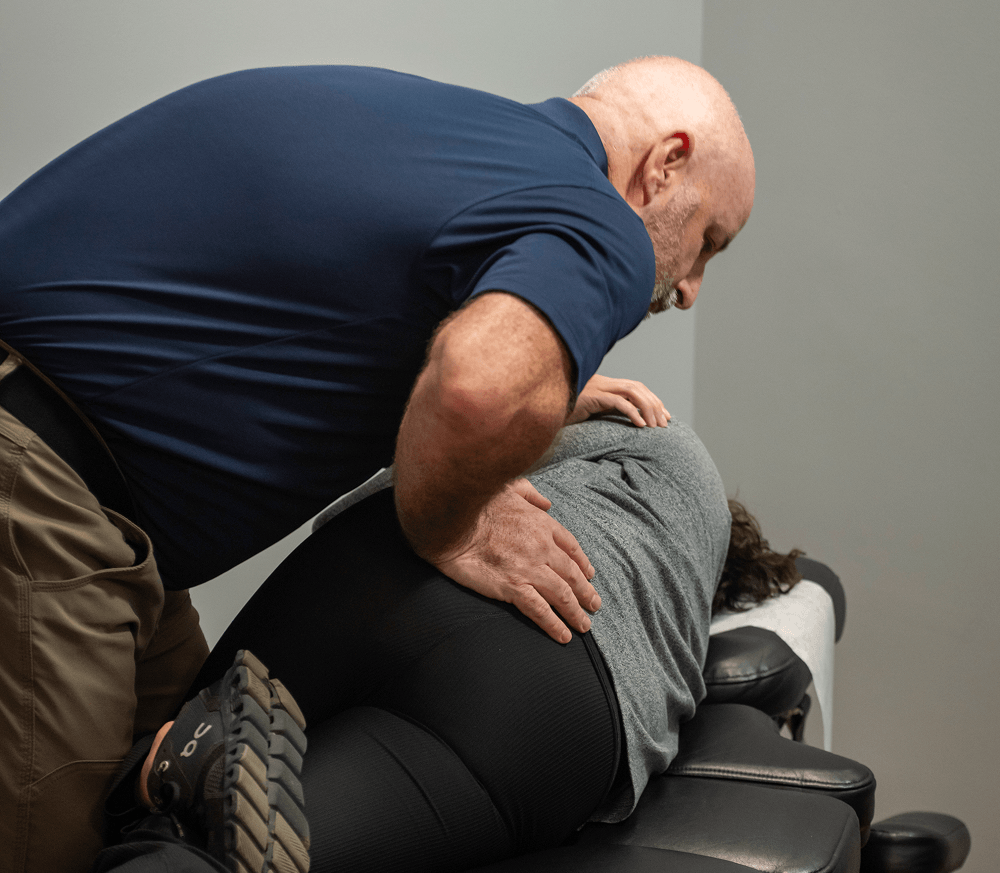
Chiropractic adjustments help restore proper joint motion and alignment in areas where postural stress has created restrictions. When vertebrae are adjusted back toward their optimal position, nerve interference is reduced, muscle tension decreases, and your body can begin to reestablish healthier movement patterns. These adjustments are specific, controlled, and tailored to your individual presentation.
But adjustment alone isn’t enough for significant postural correction. Comprehensive chiropractic care for posture includes therapeutic exercises to strengthen weak, overstretched muscles and stretch tight, overactive ones. This addresses the muscular imbalances that both result from and contribute to poor posture.
We also provide ergonomic guidance and postural education. Understanding what creates poor posture in your daily life—your workstation setup, your sleeping position, your phone habits—empowers you to make changes that support your care and prevent future problems.
What to Expect During Care
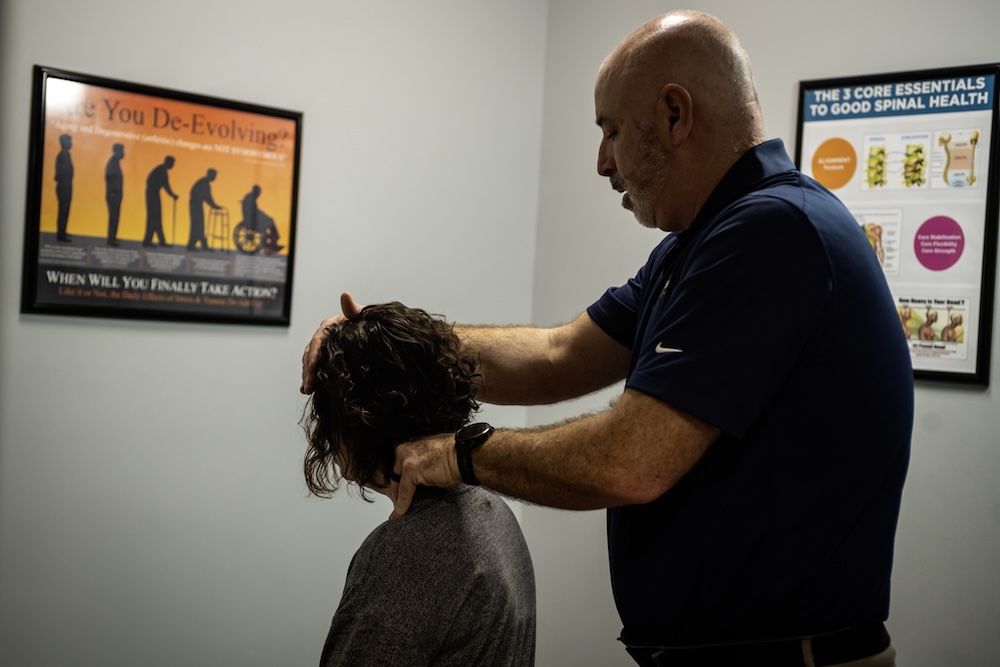
When you come to our Nashville office with concerns about posture, we begin with a comprehensive evaluation. This includes postural assessment, range of motion testing, orthopedic and neurological examination, and often imaging when appropriate. We want to understand not just how your posture looks, but how it’s affecting your function.
Treatment is individualized. Some patients need frequent adjustments initially to create momentum in correcting long-standing misalignments. Others benefit from a combination of hands-on care and rehabilitation exercises. The goal is always to improve your body’s ability to maintain proper alignment on its own, not to create dependency on care.
Progress takes time. If you’ve had poor posture for twenty years, it won’t fully correct in twenty days. But patients consistently report feeling better—less pain, more energy, improved mobility—long before full structural correction is achieved.
Practical Strategies to Protect Your Posture Today
While professional evaluation and care are important for addressing existing postural dysfunction, there are practical steps you can take right now to protect your posture and prevent future problems. These strategies are based on sound biomechanical principles and align with the conservative care approach we emphasize in chiropractic.
Optimize Your Workspace
Most people in Nashville spend significant time at computers, whether working from home or in an office. Your workstation setup has enormous impact on your posture. Your monitor should be at eye level, about an arm’s length away. Your chair should support your lumbar curve with your feet flat on the floor and your knees at roughly 90 degrees. Your keyboard and mouse should allow your shoulders to stay relaxed, not hunched.
Consider a sit-stand desk or simply make a habit of standing and moving every 30-40 minutes. Sustained sitting in any position—even a “correct” one—creates static loading on your spine that contributes to postural dysfunction over time.
Rethink Your Phone Habits
Forward head posture has reached epidemic proportions largely due to smartphone use. When you look down at your phone, you’re placing your cervical spine in extreme flexion and dramatically increasing the load on your neck muscles. Instead, bring your phone up to eye level. Yes, it looks a little awkward, but your neck will thank you in twenty years.
If you spend significant time on your phone for work or entertainment, consider taking frequent breaks and doing simple chin tucks and neck stretches to counteract the forward head position.
Strengthen Your Posterior Chain
Poor posture is often associated with weak muscles in your upper back and overactive muscles in your chest and front of shoulders. Simple exercises like rows, reverse flys, and scapular retractions strengthen the muscles that pull your shoulders back and support good posture. Planks and bridging exercises strengthen your core and maintain the natural curves of your spine.
You don’t need a gym membership or complicated equipment. Resistance bands and bodyweight exercises done consistently make a significant difference.
Mind Your Sleep Position
You spend roughly a third of your life sleeping. Your sleep position matters. Back sleeping with proper neck support and a pillow under your knees maintains neutral spinal alignment. Side sleeping with a pillow between your knees prevents pelvic rotation. Stomach sleeping, unfortunately, creates sustained cervical rotation and lumbar extension that can undermine your postural health.
Your pillow should support your neck’s natural curve without pushing your head too far forward or letting it drop too far back. Many patients benefit from specific pillow recommendations based on their individual needs.
Practice Postural Awareness
Simply paying attention to your posture throughout the day helps. Set periodic reminders on your phone or computer to check in. Are your shoulders relaxed? Is your head balanced over your spine? Are you breathing fully? This awareness, practiced consistently, begins to retrain your nervous system and create new postural habits.
When to See a Chiropractor About Posture
Not every instance of slouching requires professional intervention. But there are clear indicators that postural dysfunction has progressed to the point where conservative care would be beneficial.
Consider scheduling an evaluation if you experience chronic neck pain, upper back pain, or tension headaches that occur multiple times per week. If you notice that your posture is visibly asymmetrical—one shoulder higher than the other, head consistently tilted, visible rounding of the upper back—it’s worth having it assessed.
Frequent stiffness upon waking or after sitting for extended periods suggests your body isn’t recovering normally and may indicate underlying postural stress. Difficulty maintaining “good posture” even when you try—your muscles fatigue quickly or you feel uncomfortable standing straight—points to biomechanical dysfunction that would benefit from care.
If you’re experiencing numbness, tingling, or weakness in your arms or hands, especially if it’s associated with certain positions or activities, this could indicate nerve compression related to cervical spine misalignment. While not always related to posture, these symptoms warrant professional evaluation.
Red Flags That Need Medical Attention
While most postural issues respond well to conservative chiropractic care, certain symptoms require immediate medical evaluation. Sudden onset of severe pain, especially if accompanied by fever, unexplained weight loss, or loss of bowel/bladder control, could indicate a serious underlying condition that needs medical diagnosis.
Progressive weakness, loss of coordination, or symptoms that worsen despite appropriate care should also be evaluated by a physician. Chiropractors are trained to recognize these red flags and will refer appropriately when necessary. Your health and safety are always the priority.
Understanding Postural Positions
| Postural Position | Biomechanical Impact | Common Long-Term Effects | Correction Strategy |
|---|---|---|---|
| Forward Head Posture | Increases cervical spine load; strains posterior neck muscles; compresses upper cervical joints | Chronic neck pain, headaches, upper back tension, cervical degeneration | Chin tucks, monitor height adjustment, cervical adjustments, posterior neck strengthening |
| Rounded Shoulders | Shortens pectoral muscles; overstretches upper back muscles; restricts thoracic mobility | Shoulder impingement, thoracic outlet syndrome, breathing restrictions | Pectoral stretching, scapular strengthening, thoracic adjustments, postural awareness |
| Anterior Pelvic Tilt | Increases lumbar lordosis; tightens hip flexors; weakens core and glutes | Chronic low back pain, hip dysfunction, disc stress, SI joint problems | Hip flexor stretching, core strengthening, glute activation, lumbar and pelvic adjustments |
| Slouched Sitting | Flattens lumbar curve; increases disc pressure; creates sustained flexion stress | Disc degeneration, chronic low back pain, postural collapse, reduced spinal stability | Lumbar support, frequent position changes, core endurance exercises, spinal adjustments |
Myths vs. Facts About Posture and Long-Term Health
Myth: Poor posture only affects your back
Fact: Poor posture creates a cascade of effects throughout your entire body. It influences nerve function, breathing capacity, balance, digestive function, and even mood. Research has shown connections between postural dysfunction and conditions ranging from temporomandibular joint disorders to plantar fasciitis. Your body is an interconnected system, and postural misalignment affects it systemically, not just locally.
Myth: Postural problems are purely genetic and can’t be changed
Fact: While some people have genetic predispositions to certain spinal conditions, the majority of postural dysfunction is acquired through habits, occupational demands, and lifestyle factors. This means it can be addressed and improved through appropriate care, exercises, and behavioral modifications. Even if you’ve had poor posture for decades, meaningful improvement is possible with consistent effort and proper guidance.
Myth: You just need to “sit up straight” and remind yourself more often
Fact: Conscious effort to maintain good posture is helpful, but it’s not sufficient when underlying biomechanical dysfunction exists. If your muscles are imbalanced, joints are restricted, or your nervous system has adapted to dysfunction, simply trying harder to sit straight will be uncomfortable and unsustainable. Effective postural correction addresses the structural and functional causes, not just the conscious awareness component.
Myth: Posture problems only become an issue in old age
Fact: The consequences of poor posture often don’t manifest until later in life, but the damage begins accumulating much earlier. Young adults with chronic poor posture are already experiencing measurable changes in spinal alignment, disc health, and muscle balance. Addressing posture early prevents the serious problems that emerge decades later. Prevention is far more effective than trying to reverse advanced degeneration.
Myth: Once your posture is damaged, there’s nothing you can do
Fact: While it’s true that some long-term structural changes can’t be completely reversed, significant improvement in function, pain levels, and quality of life is almost always possible. Even when X-rays show degenerative changes or postural distortion, chiropractic care combined with therapeutic exercise can restore better movement patterns, reduce pain, slow further degeneration, and improve your body’s overall function. It’s rarely too late to make positive changes.
Final Thoughts
The cost of poor posture isn’t measured in immediate discomfort—it’s measured in the quality of life you’ll experience decades from now. The choices you make today about how you sit, stand, move, and care for your spine have long-term consequences that extend far beyond your back. They affect your nervous system, your mobility, your comfort, and your independence as you age.
Here in Nashville, we’re fortunate to have an active, vibrant community that values health and wellness. At Dohnal Chiropractic, we’re committed to helping people understand the connection between daily habits and long-term health outcomes. We believe that with the right information, care, and commitment, you can protect yourself from the hidden costs of poor posture and enjoy a more active, comfortable life well into your later years.
If you’re concerned about your posture or experiencing symptoms that might be related to postural dysfunction, we encourage you to take action now. The body has remarkable capacity for healing and adaptation when given the right support. Whether you’re dealing with current discomfort or simply want to prevent future problems, conservative chiropractic care offers a safe, effective approach to optimizing your spinal health and overall function.
Your future self will thank you for the attention you give to your posture today. Let’s work together to make sure those thanks come from a place of vitality and comfort, not regret and limitation.
Frequently Asked Questions
Can poor posture really cause headaches?
Yes, forward head posture and upper cervical misalignment commonly contribute to tension headaches and cervicogenic headaches. When your head shifts forward, muscles at the base of your skull work overtime, creating trigger points that refer pain to your head. Additionally, nerve irritation from cervical spine dysfunction can trigger headache patterns. Many patients experience significant headache reduction when postural issues are addressed.
How long does it take to correct years of poor posture?
Postural correction is a gradual process that depends on several factors: how long you’ve had the problem, the severity of structural changes, your age, and your consistency with care and exercises. Many patients notice improvements in pain and function within weeks, but significant structural correction typically takes months of consistent effort. Think of it as remodeling—improvements build progressively over time rather than happening overnight.
Is it too late to fix my posture if I’m over 50?
It’s never too late to improve your posture and function, even if some structural changes are permanent. While you may not achieve perfect alignment if you have advanced degenerative changes, you can absolutely improve muscle balance, restore better joint motion, reduce pain, and prevent further deterioration. Many patients in their sixties, seventies, and beyond experience meaningful quality-of-life improvements through postural care.
Does sleeping position really matter for long-term posture?
Absolutely. You spend about eight hours per night in your sleep position, which represents a third of your life. Stomach sleeping, in particular, creates sustained cervical rotation and lumbar stress that undermines postural health. Back or side sleeping with proper support maintains neutral spinal alignment and allows your body to recover rather than accumulating additional postural stress during sleep.
Can exercises alone fix postural problems?
Exercise is crucial for postural correction and can be very effective when the problem is primarily muscular imbalance. However, when joint restrictions, spinal misalignments, or nervous system dysfunction are involved, exercises alone often aren’t sufficient. The most effective approach typically combines chiropractic adjustments to restore proper joint motion with targeted exercises to retrain muscle patterns and ergonomic modifications to eliminate ongoing postural stress.
Will I need chiropractic care forever to maintain good posture?
The goal of chiropractic care is to improve your body’s ability to maintain proper alignment and function on its own. Initial corrective care is typically more intensive, then transitions to maintenance care as your condition stabilizes. Some patients choose periodic check-ups to maintain their results, while others feel confident managing their posture independently with the strategies they’ve learned. The approach is individualized based on your specific needs and goals.
TL;DR – Key Takeaways
- Poor posture creates cumulative damage over years—spinal degeneration, nerve interference, and chronic pain patterns that don’t appear until later in life when they’re harder to reverse.
- Forward head posture, rounded shoulders, and slouched sitting dramatically increase stress on your spine, accelerating disc degeneration and contributing to arthritis, headaches, and balance problems.
- Postural dysfunction affects your entire nervous system, not just your back, influencing everything from digestion to fall risk to overall vitality as you age.
- Chiropractic care addresses both the structural misalignments and muscular imbalances that create postural problems, offering a conservative, non-invasive approach to prevention and correction.
- Simple daily strategies—optimizing your workspace, strengthening posterior chain muscles, improving sleep position, and practicing postural awareness—can protect your long-term spinal health when applied consistently.