
If you’re dealing with back pain, you’re not alone. Millions of Americans experience back discomfort at some point in their lives, and it’s one of the most common reasons people seek healthcare. Here in Nashville, TN, we see patients every day at Dohnal Chiropractic who are searching for relief from persistent back pain that’s affecting their work, sleep, and quality of life. The good news? You have options beyond medication and surgery. Chiropractic care offers a natural, effective approach to addressing back pain by focusing on the underlying mechanical problems in your spine and nervous system. In this comprehensive guide, we’ll walk you through everything you need to know about chiropractic care for back pain—what it is, how it works, and whether it might be the right choice for you.
What is chiropractic care for back pain? Chiropractic care is a non-invasive, drug-free healthcare approach that focuses on diagnosing and treating musculoskeletal conditions, particularly those affecting the spine. For back pain specifically, chiropractors use manual adjustments and other techniques to restore proper alignment, improve mobility, reduce nerve irritation, and help your body heal naturally.
Table of Contents
- What Causes Back Pain?
- How Your Spine Works and Why It Matters
- The Chiropractic Approach to Back Pain
- What to Expect During Your Visit
- Common Techniques Used at Dohnal Chiropractic
- Practical Tips for Managing Back Pain at Home
- When to See a Chiropractor for Back Pain
- Myths vs. Facts About Chiropractic Care
What Causes Back Pain?
Back pain doesn’t always have a single, obvious cause. Often, it’s the result of multiple factors working together over time. Understanding what might be contributing to your discomfort is the first step toward finding lasting relief.
One of the most common culprits we see at Dohnal Chiropractic is mechanical dysfunction. This refers to problems with how your spine moves and functions. When vertebrae become misaligned or lose their normal range of motion—what chiropractors call subluxations—they can create muscle tension, nerve irritation, and inflammation. These restrictions don’t happen overnight; they develop gradually through poor posture, repetitive movements, or compensating for old injuries.
Muscle strain is another frequent cause. Your back muscles work constantly to support your spine and maintain upright posture. When these muscles are overworked, fatigued, or injured, they can spasm or develop painful trigger points. Many Nashville residents who work desk jobs or spend hours driving experience this type of muscular back pain.
Disc problems also contribute significantly to back pain. The intervertebral discs act as shock absorbers between your vertebrae. Over time, these discs can degenerate, bulge, or herniate, potentially pressing on nearby nerves. This can create pain that radiates down your legs—a condition called sciatica.
Lifestyle factors play a larger role than most people realize. Being overweight puts extra stress on your spine. Lack of exercise weakens the muscles that support your back. Poor sleep habits prevent your body from healing properly. Chronic stress causes muscle tension that can manifest as back pain. Even your choice of footwear can affect your spinal alignment and contribute to discomfort.
Previous injuries, even ones you thought healed years ago, can create lasting changes in how your spine moves. Your body compensates for old trauma, and these compensation patterns can eventually cause pain in seemingly unrelated areas. We frequently discover that current back pain traces back to an old sports injury, car accident, or even a childhood fall.
How Your Spine Works and Why It Matters
To understand how chiropractic care helps back pain, it’s helpful to know a bit about your spine’s structure and function. Your spine isn’t just a stack of bones—it’s a complex, dynamic system that serves three critical purposes.
First, your spine provides structural support for your entire body. It holds you upright, allows you to bend and twist, and serves as an anchor point for muscles and ligaments. Your spine consists of 24 movable vertebrae, plus the sacrum and coccyx at the base. These bones are separated by intervertebral discs and connected by small joints called facet joints.
Second, your spine protects your nervous system. Your spinal cord runs through the center of your vertebrae, sending nerve signals between your brain and the rest of your body. Nerves branch off from your spinal cord through small openings between vertebrae, controlling everything from muscle movement to organ function. When vertebrae misalign or become restricted, they can irritate these nerves, potentially affecting areas far from your back.
Third, your spine allows for movement and flexibility. Each spinal segment contributes small amounts of motion that add up to significant overall movement. When some segments lose mobility—whether from injury, arthritis, or chronic poor posture—other segments often compensate by moving too much. This creates an imbalanced system that’s prone to pain and dysfunction.
Your spine also has natural curves that help distribute weight and absorb shock. The cervical spine curves forward, the thoracic spine curves backward, and the lumbar spine curves forward again. These curves are essential for proper biomechanics. When they’re disrupted by slouching, text neck, or other postural problems, your back muscles must work much harder to keep you upright, leading to fatigue and pain.
The relationship between spinal mechanics and nervous system function is at the heart of chiropractic philosophy. By restoring proper spinal alignment and movement, chiropractors aim to remove interference from the nervous system, allowing your body to function and heal more effectively.
The Chiropractic Approach to Back Pain
Chiropractic care takes a fundamentally different approach to back pain than conventional medicine. Rather than simply masking symptoms with medication, chiropractors focus on identifying and correcting the underlying mechanical problems causing your pain.
The cornerstone of chiropractic treatment is the spinal adjustment, also called spinal manipulation. This involves applying controlled force to specific vertebrae to restore normal movement and alignment. Research has shown that spinal manipulation can be effective for certain types of back pain, particularly acute lower back pain and chronic pain without serious underlying pathology.
At Dohnal Chiropractic, we don’t take a one-size-fits-all approach. Every patient receives a thorough examination to determine exactly where problems exist in their spine. We assess how each spinal segment moves, identify areas of tenderness or muscle tension, and evaluate your posture and biomechanics. This examination helps us create an individualized treatment plan tailored to your specific condition.
The chiropractic approach recognizes that back pain is rarely just a local problem. Your body functions as an integrated system. Foot problems can affect your gait, which influences your hips, which impacts your lower back. Shoulder tension can alter your thoracic spine position, creating compensations in your lumbar spine. We look at the whole picture, not just the area where you feel pain.
Beyond adjustments, comprehensive chiropractic care includes soft tissue therapy to address muscle tension and trigger points. We may use therapeutic exercises to strengthen supporting muscles and improve flexibility. We provide ergonomic advice to help you avoid aggravating your back during daily activities. Education is a crucial component—we want you to understand what’s causing your pain and how to prevent it from returning.
The goal isn’t just pain relief, though that’s certainly important. We’re working to restore normal function to your spine so your body can heal naturally and maintain that improvement long-term. Evidence from organizations like the American College of Physicians suggests that non-pharmacological approaches like spinal manipulation should be considered first-line treatment for acute and chronic low back pain.
What to Expect During Your Visit
If you’ve never been to a chiropractor before, you might feel uncertain about what happens during an appointment. At Dohnal Chiropractic in Nashville, we want every patient to feel comfortable and informed throughout the process.
Your first visit begins with a comprehensive consultation. We’ll discuss your back pain in detail—when it started, what makes it better or worse, how it affects your daily activities, and any previous treatments you’ve tried. We’ll also review your medical history, any past injuries or surgeries, and your overall health status. This conversation helps us understand your unique situation and rule out conditions that might require referral to other healthcare providers.
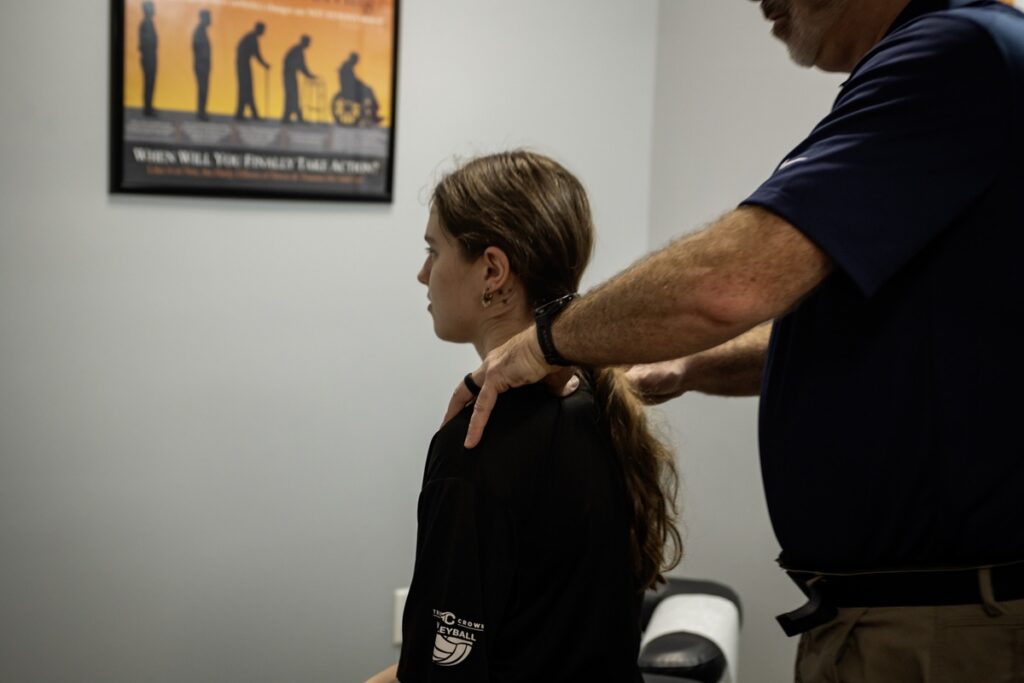
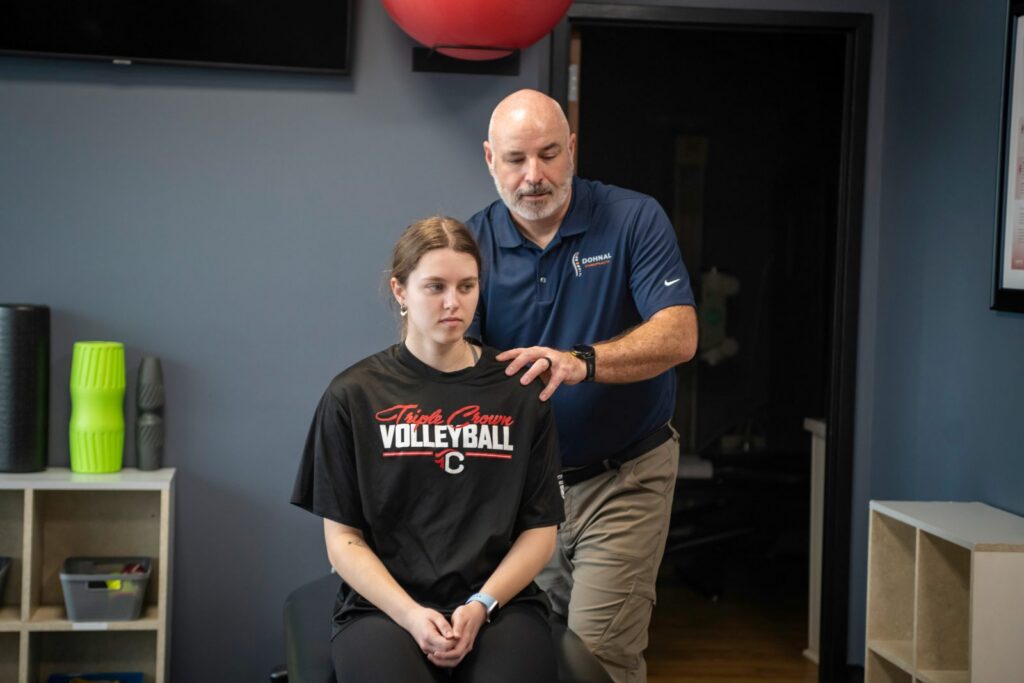
Next comes the examination. This typically includes several components. We’ll observe your posture and how you move. We’ll perform orthopedic and neurological tests to assess nerve function, muscle strength, and reflexes. We’ll palpate your spine, feeling for areas of misalignment, restricted movement, or muscle tension. Depending on your condition, we may recommend X-rays or other imaging to get a clearer picture of your spinal structure.
Once we’ve gathered all the necessary information, we’ll explain our findings and recommend a treatment plan. We’ll discuss what we found during the examination, what we believe is causing your back pain, and how chiropractic care can help. We’ll be honest about expected timelines—how many visits you might need and what kind of results you can reasonably expect. You’ll have plenty of opportunity to ask questions before we begin any treatment.
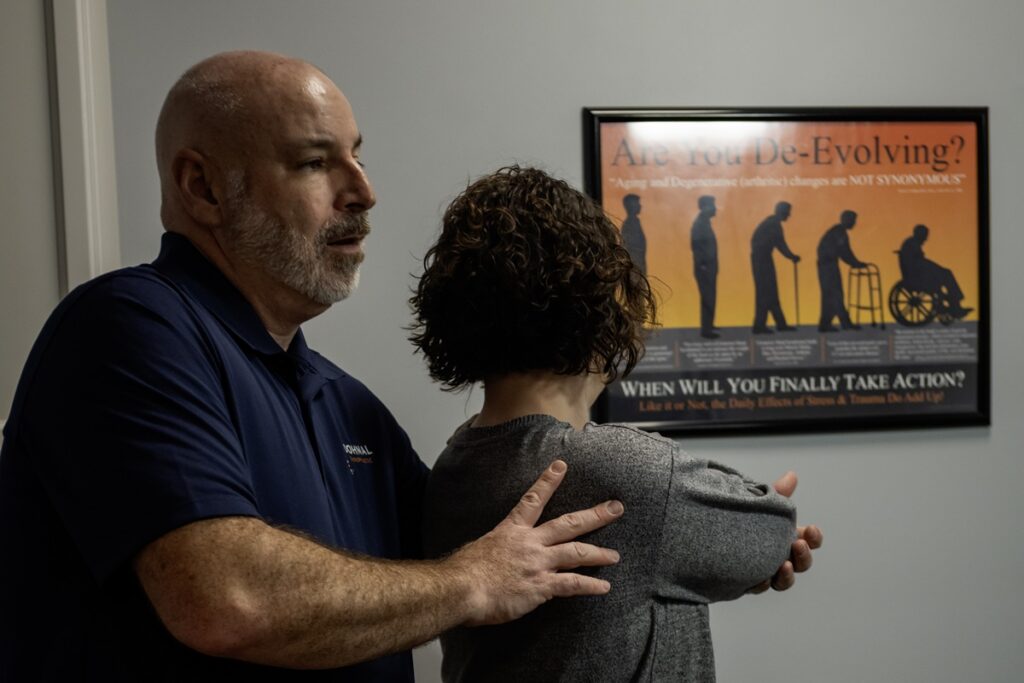
If you’re a good candidate for chiropractic care, we’ll typically begin treatment during that first visit. The adjustment itself usually takes just a few minutes. You’ll be positioned comfortably on a specialized chiropractic table. Dr. Dohnal will use his hands or specific instruments to apply quick, controlled force to the affected areas of your spine. You might hear a popping or cracking sound—this is just gas bubbles releasing from the joint, similar to cracking your knuckles, and it’s completely normal.
Most patients find adjustments relieving rather than painful. Some people feel immediate improvement, while others notice gradual changes over several visits. It’s normal to feel some mild soreness after your first few adjustments as your body adapts to the changes, similar to the feeling after starting a new exercise routine.
Follow-up visits are typically shorter, focusing on continued adjustments and monitoring your progress. We’ll adjust our approach based on how you’re responding to treatment. As you improve, visits become less frequent, and we’ll transition to maintenance care to help prevent future problems.
Common Techniques Used at Dohnal Chiropractic
Chiropractic has evolved significantly over the past century, and modern chiropractors have numerous techniques at their disposal. At Dohnal Chiropractic, we select the most appropriate methods based on your specific condition, preferences, and comfort level.
Diversified Technique is the most commonly used chiropractic method. It involves a quick, controlled thrust applied by hand to specific vertebrae. This classic approach is effective for restoring joint motion and is what most people picture when they think of chiropractic adjustments. The technique requires skill and precision to deliver the right amount of force in the correct direction.
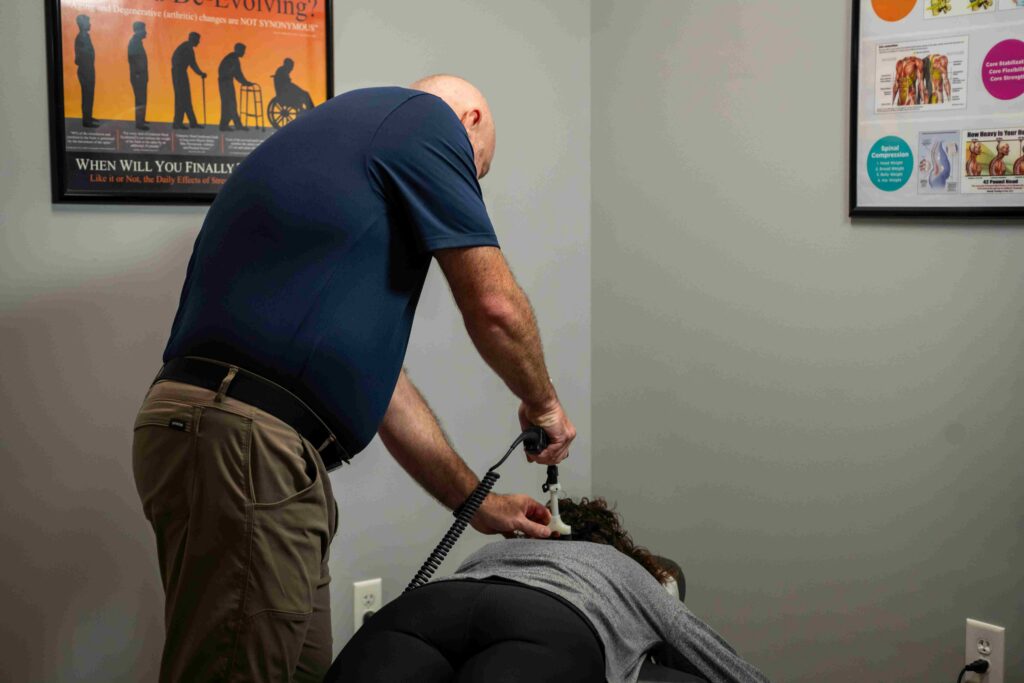
Activator Method uses a small, hand-held instrument that delivers a gentle impulse to the spine. This technique is ideal for patients who prefer a lighter touch, those with osteoporosis or other conditions that make manual adjustments less suitable, or areas that are particularly tender. The Activator provides a controlled, low-force adjustment that many patients find comfortable.
Flexion-Distraction is particularly useful for disc problems and sciatica. This technique uses a specialized table that gently stretches and flexes the spine in a specific rhythm. It increases the space between vertebrae, potentially reducing pressure on herniated or bulging discs. Patients often find this approach very soothing.
Soft tissue techniques address muscle tension and trigger points that often accompany spinal problems. These might include myofascial release, trigger point therapy, or instrument-assisted soft tissue mobilization. Releasing tight muscles allows adjustments to hold better and provides more complete relief.
Therapeutic exercises help stabilize your improvements and prevent future problems. We might teach you stretches to improve flexibility, strengthening exercises for core muscles that support your spine, or movement pattern corrections to address habits that contribute to back pain.
We also provide lifestyle and ergonomic counseling. This might include advice on proper lifting techniques, workstation setup for those with desk jobs, sleeping positions and pillow choices, or activity modifications during the healing process. These recommendations are just as important as the adjustments themselves for achieving lasting results.
The key is customization. What works wonderfully for one patient might not be ideal for another. We continuously assess your response to treatment and adjust our approach accordingly. This flexibility allows us to provide the most effective care for each individual who walks through our door in Nashville.
Practical Tips for Managing Back Pain at Home
While professional chiropractic care is important, what you do between visits significantly impacts your recovery and long-term spinal health. Here are evidence-based strategies you can implement at home to support your healing process.
Stay active within your limits. Complete bed rest used to be standard advice for back pain, but research now shows this can actually slow recovery. Gentle movement helps maintain circulation, prevents muscles from weakening, and keeps your spine mobile. Walking is excellent—start with just 10-15 minutes if that’s all you can manage, and gradually increase. Swimming and water aerobics are particularly good because water provides support while you move. Listen to your body and avoid activities that significantly increase your pain.
Apply ice and heat appropriately. For acute injuries or flare-ups, ice can reduce inflammation and numb pain. Apply ice for 15-20 minutes several times daily for the first 48-72 hours. After the acute phase, heat can relax tight muscles and improve blood flow. Many of our Nashville patients find alternating between ice and heat provides the most relief. Always use a barrier between ice or heat packs and your skin to prevent tissue damage.
Practice good posture throughout the day. Your spine handles stress best when it maintains its natural curves. When sitting, keep your feet flat on the floor, your back supported, and your computer screen at eye level. Take breaks every 30-45 minutes to stand and move. When standing, distribute your weight evenly between both feet and avoid locking your knees. When lifting, bend your knees and hips rather than your back, keep objects close to your body, and avoid twisting while holding something heavy.
Create a spine-friendly sleep environment. Your mattress should provide support without being too firm or too soft—if it sags significantly or if you wake up stiff, it’s time for a replacement. Most people with back pain find relief sleeping on their side with a pillow between their knees, or on their back with a pillow under their knees. Avoid sleeping on your stomach, as this position can strain your neck and lower back.
Manage stress effectively. Emotional stress causes muscle tension, particularly in the back, shoulders, and neck. Find stress-reduction techniques that work for you—deep breathing exercises, meditation, yoga, time in nature, or activities you enjoy. Regular stress management isn’t just good for your mental health; it directly impacts your physical comfort.
Maintain a healthy weight. Extra pounds, especially around the midsection, shift your center of gravity forward and increase stress on your lower back. Even modest weight loss can significantly reduce back pain for many people. Focus on whole foods, appropriate portions, and regular movement rather than extreme diets.
Stay hydrated. Your intervertebral discs are largely made of water. Proper hydration helps them maintain their height and shock-absorbing capacity. Aim for adequate water intake throughout the day—a good general rule is to drink enough that your urine is pale yellow.
When to See a Chiropractor for Back Pain
Not all back pain requires professional treatment—minor aches that resolve within a few days often don’t. However, certain situations warrant evaluation by a chiropractor or other healthcare provider.
Consider scheduling an appointment at Dohnal Chiropractic if your back pain persists beyond a few days despite rest and home care. While acute pain sometimes resolves on its own, pain that lingers or worsens suggests an underlying problem that needs attention. Early intervention often leads to faster recovery and prevents chronic problems from developing.
Seek care if your pain is significantly limiting your activities. If back pain is keeping you from work, preventing you from exercising, interfering with sleep, or making it difficult to perform daily tasks, don’t wait to get help. You don’t have to live with that level of discomfort, and addressing it sooner prevents compensatory problems from developing elsewhere in your body.
Recurrent back pain is another clear signal that something needs addressing. If you experience episodes of back pain that come and go, or if pain keeps returning to the same area, there’s likely an underlying mechanical problem that hasn’t been corrected. Chiropractic care focuses on addressing these root causes rather than just providing temporary relief.
Pain that radiates down your leg, especially below the knee, suggests possible nerve involvement and warrants evaluation. This might indicate a disc problem, spinal stenosis, or other condition that benefits from chiropractic assessment and treatment. Similarly, numbness, tingling, or weakness in your legs requires professional attention.
If you’ve tried other approaches without success, chiropractic care offers an alternative worth exploring. Many Nashville residents come to us after finding that medication provided only temporary relief or that they want to avoid long-term medication use. Research from organizations like the American College of Physicians supports trying non-pharmacological approaches like spinal manipulation before considering medication or invasive interventions.
However, certain symptoms require immediate medical attention rather than chiropractic care. Seek emergency care if you experience back pain along with loss of bowel or bladder control, significant weakness in both legs, numbness in the saddle area, or pain following significant trauma like a fall or car accident. Back pain accompanied by fever, unexplained weight loss, or a history of cancer also needs urgent medical evaluation. We screen for these serious conditions during our examination and make appropriate referrals when necessary.
| Chiropractic Care May Help When: | Seek Medical Attention When: |
|---|---|
| Pain persists beyond 3-5 days | Loss of bowel or bladder control |
| Recurring episodes of back pain | Significant trauma (fall, car accident) |
| Pain limits daily activities | Progressive weakness in both legs |
| Stiffness and reduced mobility | Fever with back pain |
| Muscle tension and spasms | Unexplained weight loss |
| Pain radiating to leg(s) | History of cancer |
| Preference for non-drug approaches | Saddle numbness |
Myths vs. Facts About Chiropractic Care
Despite chiropractic care’s widespread use and growing evidence base, misconceptions persist. Let’s address some common myths we hear from patients here in Nashville.
Myth: Once you start chiropractic care, you have to go forever
Fact: You control your care frequency. While some patients choose ongoing maintenance care because they value the benefits, it’s not required. At Dohnal Chiropractic, we develop treatment plans with clear goals and timelines. Once your initial problem resolves, you can choose to continue with periodic maintenance visits, come back only if symptoms return, or discontinue care altogether. We support whatever decision aligns with your health goals and preferences.
Myth: Chiropractic adjustments are dangerous
Fact: Serious complications from chiropractic adjustments are extremely rare. Multiple studies and systematic reviews have found that spinal manipulation, when performed by licensed professionals, has a favorable safety profile compared to many conventional medical treatments for back pain. The most common side effect is mild, temporary soreness. We screen all patients carefully to identify the small percentage who might not be suitable candidates for certain techniques, and we modify our approach accordingly.
Myth: The popping sound during adjustments is bones cracking
Fact: That sound is actually gas bubbles releasing from the joint fluid—a process called cavitation. When a joint is adjusted, the pressure inside changes rapidly, causing dissolved gases to form bubbles that make an audible pop. It’s similar to the sound when you crack your knuckles. This sound doesn’t indicate the adjustment is working—some effective adjustments don’t produce any sound at all. The goal is restoring proper motion, not creating noise.
Myth: You need X-rays before any treatment
Fact: While imaging can be valuable in certain situations, it’s not always necessary. At Dohnal Chiropractic, we order X-rays or other imaging only when clinically indicated—for example, after trauma, when we suspect structural problems, or if you’re not responding to treatment as expected. For many cases of mechanical back pain, a thorough examination provides sufficient information to begin safe, effective treatment. We follow evidence-based guidelines rather than routine imaging protocols.
Myth: Chiropractors aren’t real doctors
Fact: Doctors of Chiropractic complete extensive education including undergraduate prerequisites and four years of doctoral-level study at accredited chiropractic colleges. The curriculum includes anatomy, physiology, pathology, radiology, diagnosis, and extensive training in manual therapy techniques. Chiropractors must pass rigorous national board examinations and obtain state licensure to practice. While our scope of practice differs from medical doctors—we don’t prescribe medication or perform surgery—we are portal-of-entry providers qualified to diagnose and treat musculoskeletal conditions.
Myth: Chiropractic care is only for back pain
Fact: While back pain is indeed the most common reason people visit chiropractors, chiropractic care can address numerous musculoskeletal conditions. We frequently treat neck pain, headaches, shoulder problems, sciatica, sports injuries, and joint pain throughout the body. Some patients also seek chiropractic care for wellness optimization, improved athletic performance, or maintaining spinal health as they age. The focus is on restoring proper biomechanics and nervous system function, which can benefit multiple aspects of health.
Final Thoughts from Dohnal Chiropractic
Understanding the basics of chiropractic care is the first step toward taking control of your back pain. Here in Nashville, we’re fortunate to have patients who are proactive about their health and willing to explore conservative, natural approaches to healing. At Dohnal Chiropractic, we’re committed to providing evidence-based care tailored to each individual’s needs, goals, and preferences.
Back pain doesn’t have to be a life sentence. While some discomfort comes with being human, persistent or recurrent pain indicates a problem that deserves attention. By addressing the underlying mechanical dysfunctions causing your pain, chiropractic care helps your body heal naturally without relying on medications or invasive procedures. Whether you’re dealing with acute pain from a recent injury or chronic discomfort that’s been building for years, there’s hope for meaningful improvement.
Remember that your active participation matters just as much as the care we provide in our office. The home care strategies, ergonomic improvements, and lifestyle modifications we recommend work synergistically with your adjustments to produce lasting results. Healing is a partnership between doctor and patient, and we’re here to guide and support you throughout the process.
If you’re living with back pain and wondering whether chiropractic care might help, we encourage you to schedule a consultation. We’ll take time to understand your unique situation, perform a thorough examination, explain our findings in clear language, and discuss whether chiropractic care is appropriate for your condition. You’ll have all the information you need to make an informed decision about your health.
Thank you for taking the time to learn about chiropractic care for back pain. We hope this article has given you valuable insights and answered some of your questions. If you’d like to learn more or schedule an appointment at Dohnal Chiropractic in Nashville, TN, we’d be honored to help you on your journey toward better spinal health and improved quality of life.
Frequently Asked Questions
How long does it take to see results from chiropractic care for back pain?
Response varies significantly between individuals depending on the cause and duration of your pain, your overall health, and how consistently you follow care recommendations. Some patients experience immediate relief after their first adjustment, while others notice gradual improvement over several weeks. Acute pain typically responds faster than chronic conditions that have developed over months or years.
Is chiropractic care covered by insurance?
Many insurance plans include chiropractic coverage, though specific benefits vary widely by plan. Most plans cover a certain number of visits per year for musculoskeletal conditions like back pain. We recommend contacting your insurance provider to understand your specific benefits, or our office staff can help verify your coverage before you begin treatment.
Can chiropractic care help if I’ve already tried physical therapy or pain medication?
Yes, chiropractic care offers a different approach that may provide relief even when other treatments haven’t fully resolved your pain. While physical therapy focuses primarily on exercises and stretching, chiropractic care directly addresses spinal alignment and joint function. Many patients find that chiropractic adjustments complement physical therapy exercises or provide an effective alternative to ongoing medication use.
Are chiropractic adjustments painful?
Most patients find adjustments relieving rather than painful. You might feel pressure or a stretching sensation, and some techniques involve a quick thrust that happens faster than you can tense up. It’s normal to experience mild soreness for a day or two after your first few adjustments, similar to post-exercise soreness. This typically diminishes as your body adapts to treatment.
Do I need a referral from my doctor to see a chiropractor?
In most cases, no referral is needed. Chiropractors are portal-of-entry providers, meaning you can schedule an appointment directly without seeing another doctor first. However, some insurance plans may require referrals for coverage, so it’s worth checking your specific policy. Many medical doctors now recognize the value of chiropractic care and actively refer patients for musculoskeletal conditions.
What should I wear to my chiropractic appointment?
Wear comfortable, loose-fitting clothing that allows for easy movement. Avoid tight jeans, belts with large buckles, or restrictive clothing that might interfere with examination or treatment. Athletic wear or casual clothing works perfectly. We want you to be able to move freely during the examination and feel comfortable lying on the adjustment table.
TL;DR – Key Takeaways
- Chiropractic care offers a non-invasive, drug-free approach to back pain by addressing spinal alignment and nervous system function rather than just masking symptoms.
- Most back pain results from mechanical dysfunction, muscle strain, disc problems, or lifestyle factors—issues that chiropractic care is specifically designed to address.
- Treatment is individualized based on a thorough examination, and you control the frequency and duration of your care without long-term commitments.
- Research supports spinal manipulation as an effective first-line treatment for many types of back pain, with an excellent safety profile when performed by licensed professionals.
- Combining professional chiropractic care with home strategies like appropriate activity, good posture, stress management, and ergonomic improvements produces the best long-term results.