
If you’ve ever felt a sharp, shooting pain that seems to come out of nowhere — or a strange tingling sensation running down your arm or leg — you may have wondered whether something more serious was going on. A pinched nerve is one of the most common sources of that kind of discomfort, and it can genuinely affect your quality of life when left unaddressed. The good news is that understanding what a pinched nerve feels like, what causes it, and when to seek help can make a world of difference. Here at Dohnal Chiropractic in Nashville, TN, we see patients dealing with pinched nerve symptoms on a regular basis — and most of them are surprised by how much relief is possible with the right conservative care.
What Is a Pinched Nerve?
A pinched nerve occurs when surrounding tissues — such as bones, muscles, tendons, or cartilage — apply too much pressure to a nerve, disrupting its normal function. This pressure interferes with the nerve’s ability to send signals properly, which is why you might experience pain, numbness, tingling, or weakness. Pinched nerves can occur anywhere in the spine or throughout the body, though the neck and lower back are the most commonly affected areas.
- What Causes a Pinched Nerve?
- Common Signs and Symptoms of a Pinched Nerve
- Cervical vs. Lumbar Pinched Nerves: What’s the Difference?
- How Chiropractic Care Fits Into Pinched Nerve Relief
- Practical Tips to Support Your Recovery
- When to See a Chiropractor for a Pinched Nerve
- Pinched Nerve Symptoms by Location
- Myths vs. Facts About Pinched Nerves
- Final Thoughts from Dohnal Chiropractic
What Causes a Pinched Nerve?
Pinched nerves don’t always have one single, obvious cause. More often, they’re the result of accumulated stress on the spine and surrounding tissues over time. That said, there are some very common contributors that Dr. Christopher Dohnal sees in Nashville patients day in and day out.
One of the most frequent culprits is a herniated or bulging disc. The discs between your spinal vertebrae act as natural shock absorbers. When one of those discs shifts out of position or its inner material pushes outward, it can press directly on a nearby nerve root. This is often what causes that familiar pain that shoots down the leg — commonly known as sciatica — or radiates from the neck down into the arm.
Bone spurs are another common cause. These are small, bony growths that can form along the edges of vertebrae as a result of long-term wear and arthritis. Over time, they can narrow the space where nerves pass through, creating compression. Repetitive movements, poor posture, and prolonged sitting can all accelerate this process — making desk workers and people with sedentary lifestyles particularly vulnerable.
Muscle tightness and soft tissue swelling can also contribute. When muscles surrounding the spine become chronically tense or inflamed — whether from stress, overuse, or injury — they can indirectly compress or irritate nearby nerves. This is why addressing muscle health is just as important as addressing spinal alignment.
Common Signs and Symptoms of a Pinched Nerve
Knowing the signs of a pinched nerve can help you catch it early and get appropriate care before things worsen. The symptoms can vary considerably depending on which nerve is affected and where along its path the compression is occurring. However, there are several hallmark signs that tend to appear across the board.
Sharp, burning, or aching pain is often the most noticeable symptom. This pain may stay in one location or travel along the path of the nerve — for instance, from the lower back down through the buttock and into the leg, or from the neck through the shoulder and into the fingers. The pain might worsen with certain movements, like turning your head or bending forward.
Numbness or reduced sensation is another very common indicator. You might notice that a particular area of skin feels “deadened” or that you can’t feel touch the same way you normally would. This happens because the nerve is having difficulty transmitting sensory signals to the brain.
Tingling — often described as a “pins and needles” sensation — is your nervous system’s way of signaling that something isn’t right. This symptom frequently accompanies numbness and tends to follow the nerve’s distribution pattern down the arm or leg.
Muscle weakness in the affected area is a sign that the nerve compression may be more significant. If you notice that your grip strength has diminished, or that your leg feels unexpectedly weak when walking, it’s important to get evaluated promptly. This kind of functional change deserves professional attention sooner rather than later.
Cervical vs. Lumbar Pinched Nerves: What’s the Difference?
Pinched nerves are most commonly found in two areas of the spine: the cervical region (your neck) and the lumbar region (your lower back). While the underlying mechanism is similar, the symptoms and areas they affect are quite different.
A cervical pinched nerve involves compression at one of the nerve roots exiting the neck. Patients dealing with this type often report pain that radiates from the neck into the shoulder, arm, or even down into the hand. Numbness and tingling in the fingers is a particularly telling sign. People who spend long hours looking at screens, sleeping in awkward positions, or carrying heavy loads on their shoulders are often prone to cervical nerve issues.
A lumbar pinched nerve, on the other hand, tends to manifest as lower back pain that radiates into the glutes, thighs, calves, or feet. Sciatica — which involves irritation of the sciatic nerve — is one of the most widely recognized forms of lumbar nerve compression. Patients may also notice that sitting for long periods aggravates their symptoms, while movement sometimes provides temporary relief.
Here in Nashville, TN, Dr. Christopher Dohnal works with patients experiencing both types regularly. A thorough evaluation helps pinpoint exactly where the nerve compression is occurring so that care can be tailored accordingly. No two cases are exactly alike, which is why individualized assessment matters so much.
How Chiropractic Care Fits Into Pinched Nerve Relief
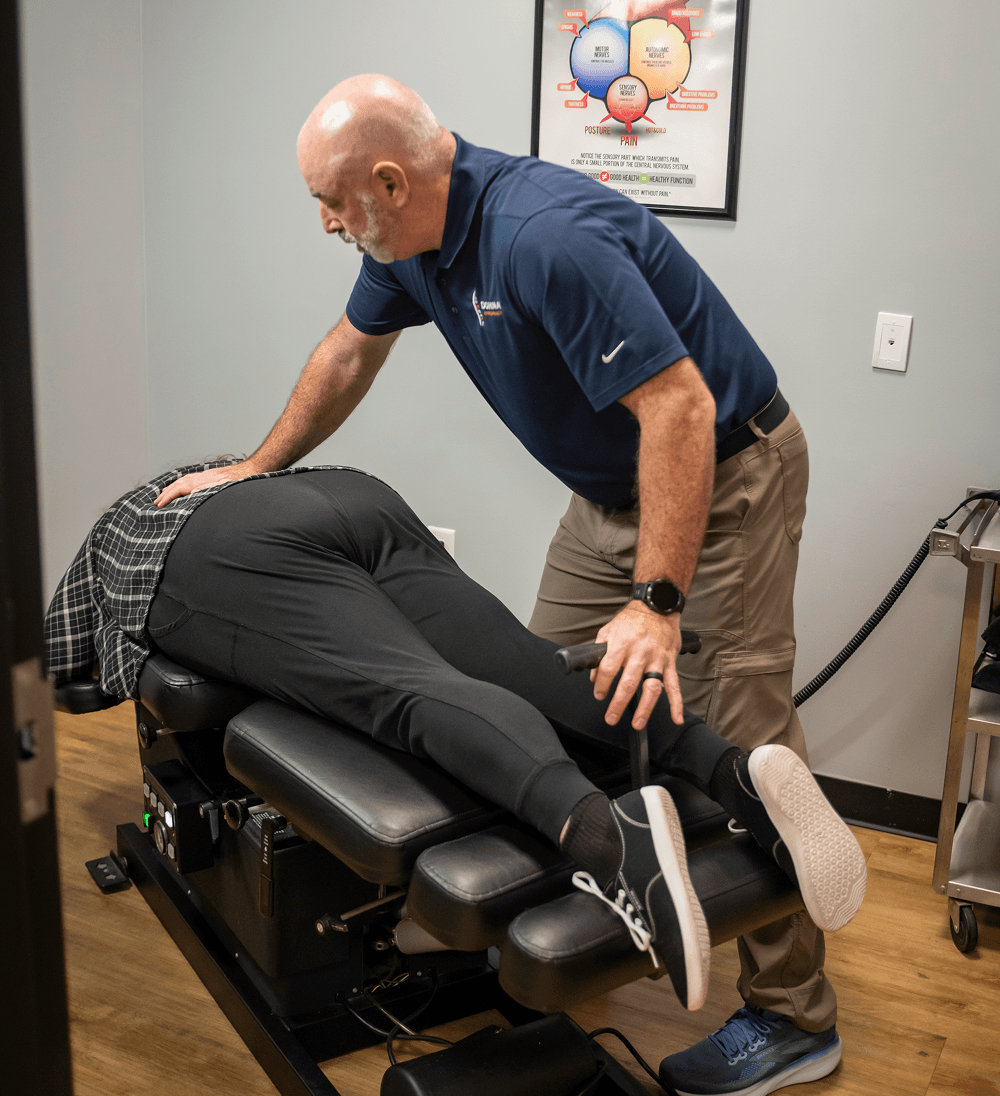
Chiropractic care is considered a first-line, conservative approach for musculoskeletal conditions — and pinched nerves fall squarely within that category. Rather than relying on medication to mask symptoms or jumping straight to surgical options, chiropractic care aims to address the underlying mechanical issue contributing to the nerve compression.
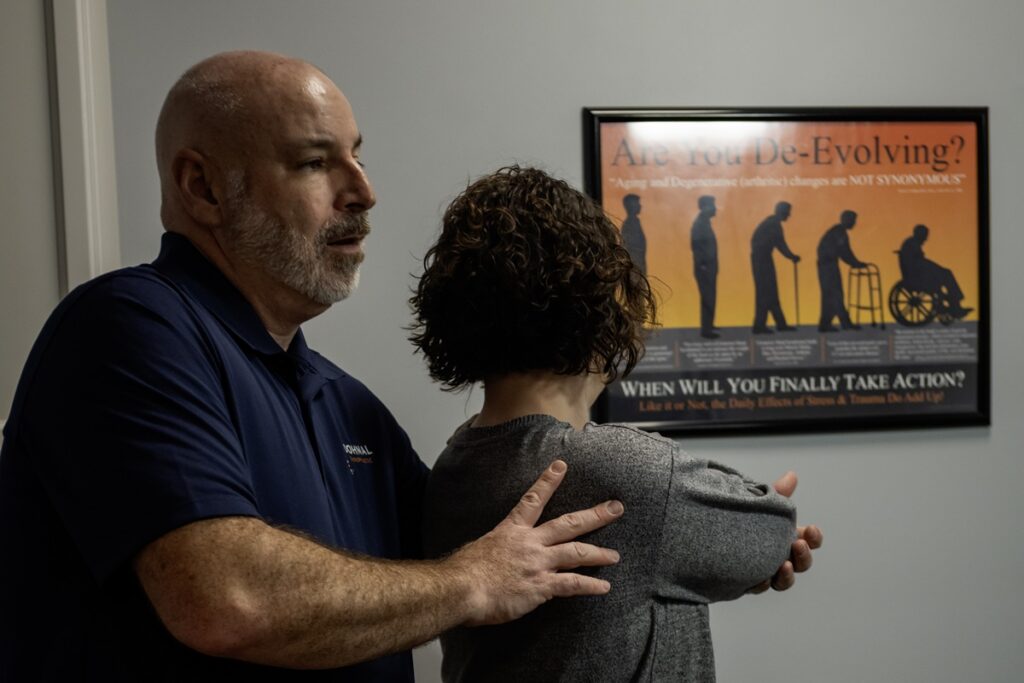
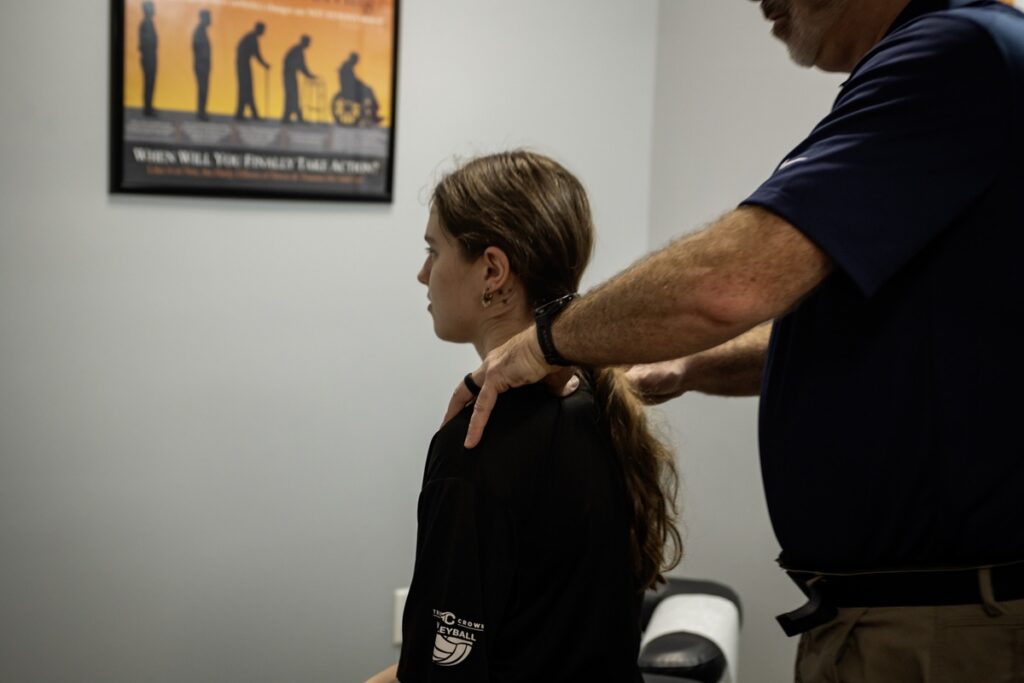
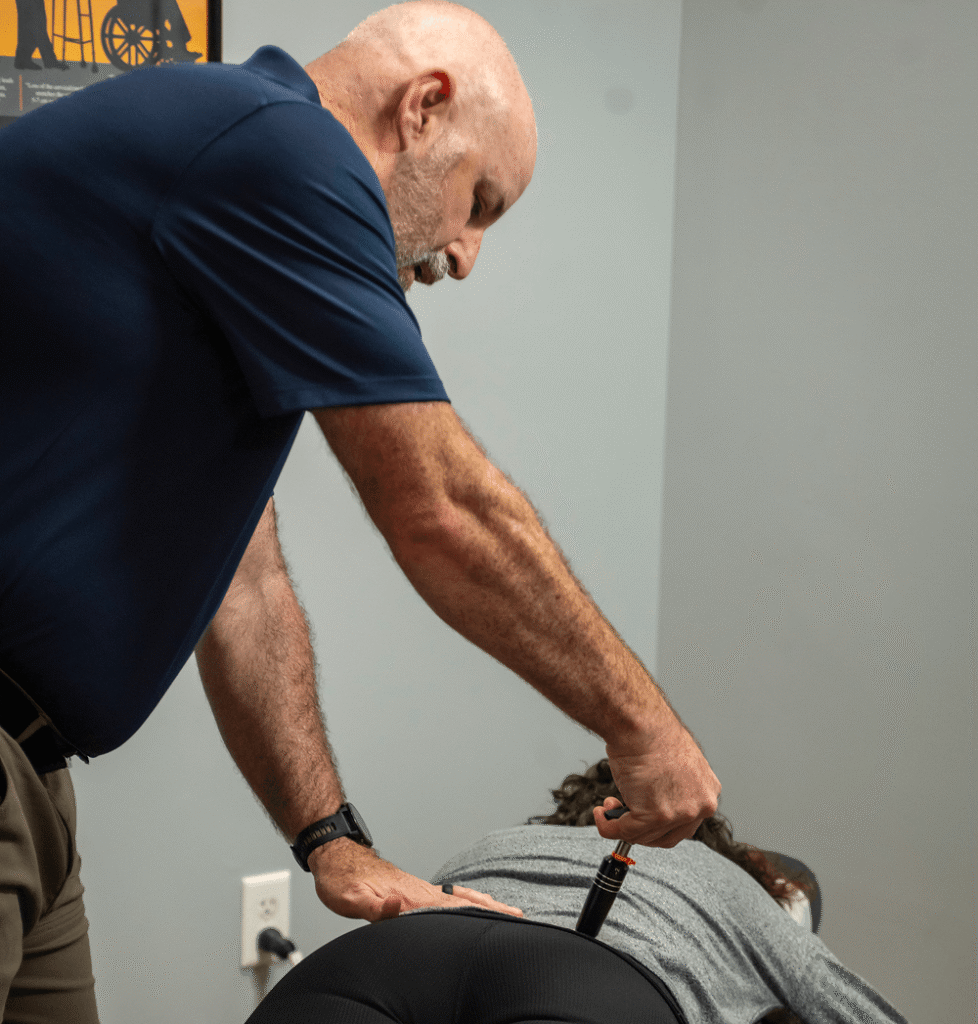
At Dohnal Chiropractic in Nashville, the approach begins with a careful assessment of your spinal alignment, posture, range of motion, and neurological symptoms. Dr. Christopher Dohnal uses this information to determine whether spinal misalignments — called subluxations — may be contributing to the pressure on the nerve. When spinal joints are not moving properly or are positioned in ways that crowd nerve pathways, chiropractic adjustments can help restore proper alignment and movement.
Research published through organizations like the American Chiropractic Association and reviewed by institutions including the National Center for Complementary and Integrative Health suggests that spinal manipulation may help reduce pain and improve function in patients with nerve-related spinal conditions. Evidence indicates that for many people, chiropractic care offers meaningful relief without the risks associated with more invasive interventions.
Beyond adjustments, care at Dohnal Chiropractic may also involve guidance on posture correction, therapeutic exercises, and lifestyle modifications that reduce the stress on affected nerves. The goal is not just short-term symptom relief — it’s helping your body function better long-term so that nerve compression is less likely to recur.
Practical Tips to Support Your Recovery
While professional care is important, there are also things you can do at home to support your body and reduce the likelihood of worsening symptoms. These are general wellness recommendations — not a substitute for a professional evaluation — but they can make a meaningful difference when practiced consistently.
Paying attention to your posture is one of the most impactful things you can do. When you slouch or hold your head forward for extended periods, you increase the load on your cervical spine significantly. Try to keep your ears aligned over your shoulders and your shoulders relaxed rather than hunched. If you work at a desk, make sure your screen is at eye level so you’re not constantly looking down.
Taking movement breaks throughout the day is equally important. Extended periods of sitting compress spinal discs and reduce circulation to spinal tissues. Getting up and gently moving every 30 to 45 minutes gives your spine a chance to decompress and reduces cumulative stress on the nerves.
Sleep position matters more than most people realize. Sleeping on your stomach puts a significant strain on the cervical spine, as your head must be rotated to one side for extended periods. Side sleeping with a supportive pillow that keeps your head aligned with your spine is generally a better option for those dealing with nerve symptoms.
Finally, stress management plays a role too. Chronic stress leads to muscle tension throughout the body, particularly in the neck and upper back — areas already prone to nerve compression. Deep breathing, gentle movement, and adequate sleep all support a healthier nervous system.
When to See a Chiropractor for a Pinched Nerve
Many people wonder how long they should wait before seeking care for pinched nerve symptoms. The honest answer is: don’t wait too long. While mild, intermittent symptoms may sometimes resolve on their own, nerve compression that persists for more than a few days — or that is getting progressively worse — deserves professional attention.
You should consider reaching out to Dr. Christopher Dohnal at Dohnal Chiropractic if you’re experiencing any of the following: radiating pain that travels down your arm or leg, numbness or tingling that comes and goes (or won’t go away), muscle weakness in your extremities, or pain that wakes you up at night. These are all signs that something structural may be at play and that a conservative, professional evaluation is warranted.
There are also certain red flag symptoms that should prompt immediate medical attention rather than a wait-and-see approach. Loss of bladder or bowel control, sudden severe weakness in both legs, or numbness in the groin or inner thigh area may indicate a more serious spinal emergency called cauda equina syndrome. These symptoms require urgent medical evaluation. If you’re ever unsure, err on the side of getting checked out promptly.
Pinched Nerve Symptoms by Location
| Location | Common Pain Pattern | Numbness/Tingling Area | Common Triggers |
|---|---|---|---|
| Cervical Spine (Neck) | Neck → Shoulder → Arm → Hand | Fingers, hand, forearm | Poor posture, forward head position, screen time |
| Thoracic Spine (Mid-Back) | Wrapping around the rib cage or chest wall | Chest, upper abdomen | Prolonged sitting, spinal curvature, repetitive twisting |
| Lumbar Spine (Lower Back) | Low back → Glute → Leg → Foot | Thigh, calf, foot, toes | Prolonged sitting, lifting, disc herniation |
| Carpal Tunnel (Wrist) | Wrist → Palm → Fingers | Thumb, index, middle finger | Repetitive hand movements, prolonged typing |
Myths vs. Facts About Pinched Nerves
Myth: A pinched nerve always means you need surgery.
Fact: The vast majority of pinched nerve cases respond well to conservative care. Chiropractic treatment, physical rehabilitation, and lifestyle changes resolve many cases without any need for surgical intervention. Surgery is typically considered only when conservative approaches have been exhausted or when there are severe neurological deficits.
Myth: If you have a pinched nerve, you should rest completely and avoid all movement.
Fact: While it’s wise to avoid movements that aggravate your symptoms, complete rest is generally not recommended and can actually slow recovery. Gentle, guided movement helps maintain circulation, reduces muscle stiffness, and supports the healing process. Your chiropractor can guide you on which movements are safe and beneficial.
Myth: Pinched nerves are only a problem for older people.
Fact: Pinched nerves can occur at any age. While degenerative changes do become more common with age, younger people can absolutely develop pinched nerves due to injury, repetitive strain, poor posture habits, and lifestyle factors. In Nashville, TN, Dr. Christopher Dohnal sees patients across a wide range of ages dealing with nerve compression.
Myth: The pain will just go away on its own eventually, so there’s no need to seek care.
Fact: While some mild cases may improve with time, untreated nerve compression can sometimes lead to chronic pain, ongoing numbness, or lasting nerve damage if the underlying cause isn’t addressed. Seeking an early evaluation allows for a more targeted, effective approach to recovery.
Myth: Tingling and numbness are just minor inconveniences and nothing to worry about.
Fact: Persistent tingling and numbness are your nervous system signaling that something is interfering with normal nerve function. These symptoms deserve attention, not dismissal. While they don’t always indicate something serious, consistent sensory changes should be evaluated by a professional.
Final Thoughts from Dohnal Chiropractic
Living with a pinched nerve can be frustrating, painful, and — if you don’t know what’s causing it — genuinely frightening. But here’s what we want you to take away from this: you don’t have to just push through it and hope for the best. There are real, evidence-based, non-invasive options that can help you feel like yourself again.
At Dohnal Chiropractic in Nashville, TN, we believe in empowering our patients with knowledge and providing individualized care that addresses the root of the problem. Dr. Christopher Dohnal is committed to helping the Nashville community understand their bodies better and move through life with less pain and more confidence. Whether you’ve been dealing with radiating arm pain, nagging sciatica, or unexplained numbness, our doors are open and our team is here to help.
If any of the symptoms described in this article sound familiar, we encourage you to reach out and schedule an evaluation. Conservative care, started early, gives you the best opportunity for a full and lasting recovery. Nashville deserves to feel its best — and we’re here to help make that happen.
Frequently Asked Questions
How do you know if you have a pinched nerve versus a muscle strain?
A muscle strain typically produces localized soreness or stiffness that stays in one area. A pinched nerve, by contrast, often causes radiating pain, tingling, or numbness that travels along the nerve’s path — such as from the neck into the arm or from the lower back into the leg. A professional evaluation can help distinguish between the two.
Can a chiropractor fix a pinched nerve?
Chiropractic care is a well-recognized conservative approach for nerve-related spinal conditions. By restoring proper spinal alignment and reducing joint restriction, chiropractic adjustments may help relieve the pressure contributing to nerve compression. While results vary from person to person, many patients experience meaningful improvement with chiropractic care.
How long does it take for a pinched nerve to heal?
Healing time varies based on the severity of the compression, how long symptoms have been present, and the underlying cause. Mild cases may improve within a few weeks with appropriate care. More persistent or severe cases can take longer. Starting care early generally supports a faster recovery.
Is it safe to get a chiropractic adjustment if I have a pinched nerve?
For most people, chiropractic care is a safe and appropriate option for pinched nerve symptoms. Dr. Christopher Dohnal at Dohnal Chiropractic will conduct a thorough evaluation before any treatment to ensure that chiropractic care is appropriate for your specific situation. Certain conditions may require modification of technique or referral to another provider.
What makes a pinched nerve worse?
Common aggravating factors include prolonged sitting, poor posture, repetitive movements, and sleeping in positions that strain the neck or lower back. Stress and muscle tension can also worsen symptoms by further compressing affected nerves. Identifying and modifying these triggers is an important part of recovery.
When should I go to the emergency room for nerve pain?
If you experience sudden severe weakness in both legs, loss of bladder or bowel control, or numbness in the inner thigh or groin area, seek emergency medical care immediately. These symptoms may indicate a serious spinal condition that requires urgent attention beyond conservative chiropractic care.
TL;DR
- A pinched nerve occurs when surrounding tissue compresses a nerve, causing pain, tingling, numbness, or weakness that often radiates along the nerve’s path.
- Common causes include herniated discs, bone spurs, poor posture, and repetitive strain — all frequently seen at Dohnal Chiropractic in Nashville, TN.
- Symptoms vary depending on location — cervical pinched nerves affect the arm and hand, while lumbar pinched nerves often cause leg or foot symptoms.
- Chiropractic care is a non-invasive, conservative approach that may help relieve nerve compression by restoring spinal alignment and reducing joint restriction.
- Don’t ignore persistent tingling, numbness, or radiating pain — early evaluation with Dr. Christopher Dohnal gives you the best chance for a full recovery.