
If you’ve been dealing with chronic back pain, sciatica, or a herniated disc, you’ve likely explored countless treatment options. Surgery might feel like the only answer—but what if there were a non-invasive alternative that could help relieve your pain and improve your quality of life? Spinal decompression therapy has become an increasingly popular option for patients seeking conservative care, and many people here in Nashville are discovering its potential benefits. This article will walk you through what spinal decompression is, how it works, who might benefit from it, and what you should consider when deciding if it’s right for your situation.
What is spinal decompression therapy? Spinal decompression is a non-surgical, motorized traction technique designed to relieve pressure on the spinal discs and nerves. By gently stretching the spine in a controlled manner, it creates negative pressure within the discs, which may help retract herniated or bulging disc material and promote the flow of nutrients, oxygen, and healing fluids into the affected area.
Table of Contents
- How Spinal Decompression Works
- Conditions That May Benefit from Spinal Decompression
- What to Expect During Treatment
- Who is an Ideal Candidate for Spinal Decompression?
- How Spinal Decompression Fits Into Chiropractic Care
- Complementary Therapies and Lifestyle Modifications
- When to Consider Spinal Decompression
- Treatment Options Comparison
- Myths vs. Facts About Spinal Decompression
- Final Thoughts
How Spinal Decompression Works
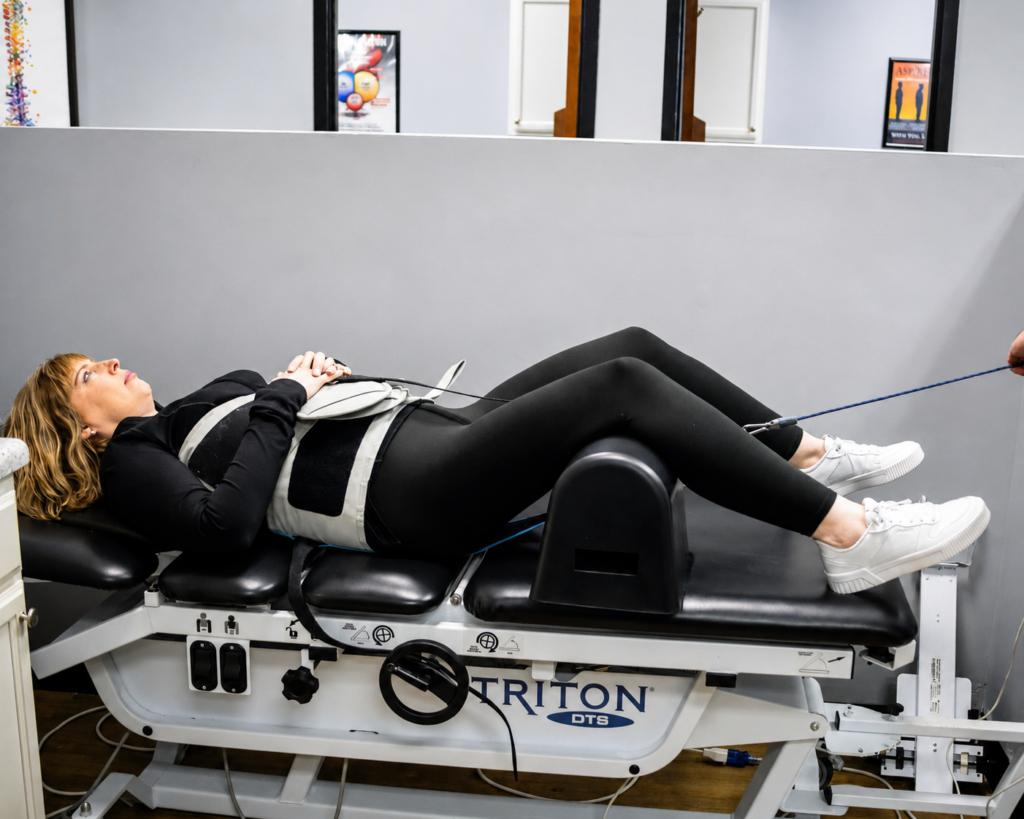
Spinal decompression therapy uses a specialized table that gently stretches and relaxes the spine in a controlled, rhythmic pattern. Unlike traditional traction methods, modern decompression tables use computer technology to adjust the amount of force applied based on your body’s response and the specific condition being addressed.
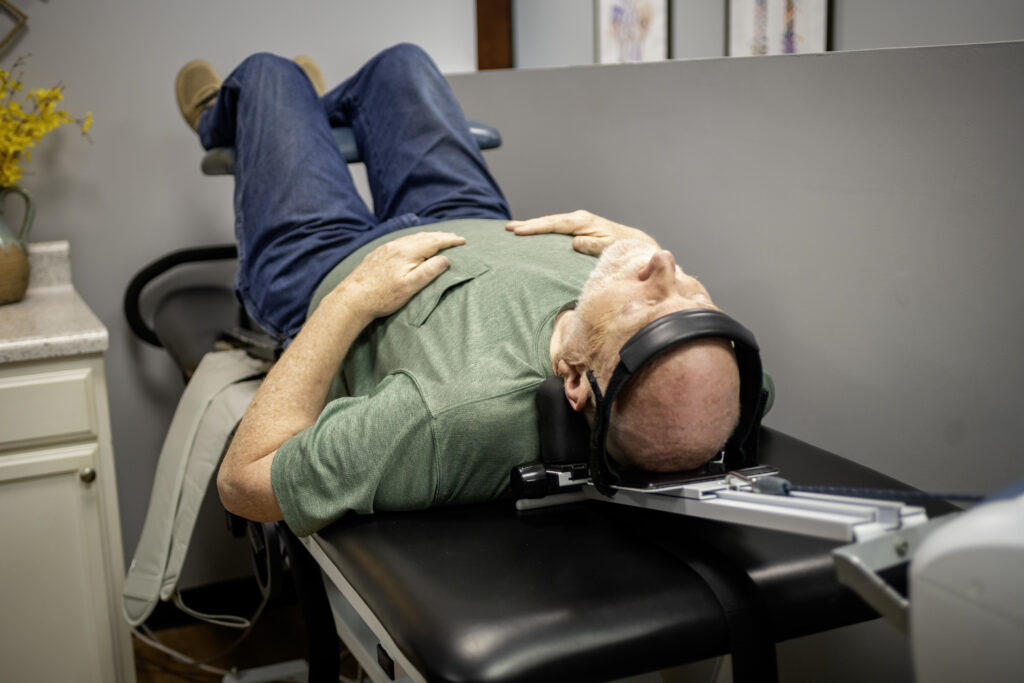
During treatment, you’re positioned on the table either face-up or face-down, depending on which area of your spine needs attention. A harness is placed around your hips or trunk, and the table applies gentle pulling forces that create negative pressure within the intervertebral discs. This negative pressure—also called intradiscal pressure—can have several beneficial effects.
The negative pressure may help draw herniated or bulging disc material back toward the center of the disc, reducing pressure on nearby nerves. It also creates space between vertebrae, which can improve circulation to the discs. Since discs have limited blood supply, this enhanced nutrient exchange may support the body’s natural healing processes.
The treatment is typically painless. Most patients at Dohnal Chiropractic in Nashville report feeling a gentle pulling sensation and find the experience relaxing. Some even fall asleep during their sessions. The therapy alternates between periods of stretch and relaxation, which helps prevent muscle guarding—a protective response that can limit the effectiveness of sustained traction.
Conditions That May Benefit from Spinal Decompression
Spinal decompression therapy is primarily used for conditions involving the intervertebral discs and nerve compression. Research suggests it may be helpful for several specific conditions, though individual results can vary.
Herniated or bulging discs are among the most common reasons patients seek spinal decompression. When the soft inner material of a disc pushes through its outer layer, it can irritate or compress nearby nerves, causing pain, numbness, or weakness. The negative pressure created during decompression may help reduce this bulge.
Sciatica, characterized by pain radiating down the leg due to compression of the sciatic nerve, often responds well to decompression therapy. By reducing pressure on the nerve root, many patients experience decreased leg pain and improved mobility.
Degenerative disc disease involves the gradual breakdown of intervertebral discs over time. While decompression cannot reverse aging, it may help manage symptoms by improving disc hydration and reducing mechanical stress on compromised discs.
Posterior facet syndrome and other conditions involving worn spinal joints may benefit from the increased space decompression creates between vertebrae. This can reduce friction and irritation in the facet joints.
Chronic lower back pain that hasn’t responded adequately to other conservative treatments may improve with decompression, particularly when disc-related issues contribute to the pain.
Here in Nashville, we see many patients at Dohnal Chiropractic who have been struggling with these conditions for months or even years. While spinal decompression isn’t a miracle cure, it can be an effective component of a comprehensive treatment plan for appropriate candidates.
What to Expect During Treatment
Understanding what happens during spinal decompression can help you feel more comfortable if you decide to pursue this treatment option. Sessions typically last between 20 and 45 minutes, depending on your specific condition and treatment protocol.
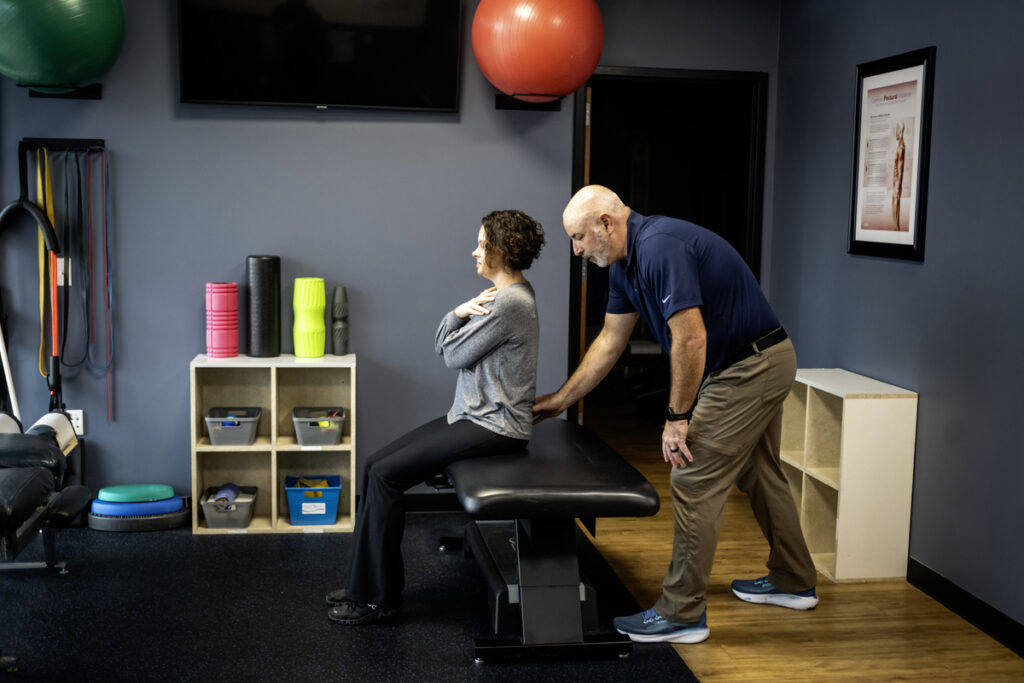
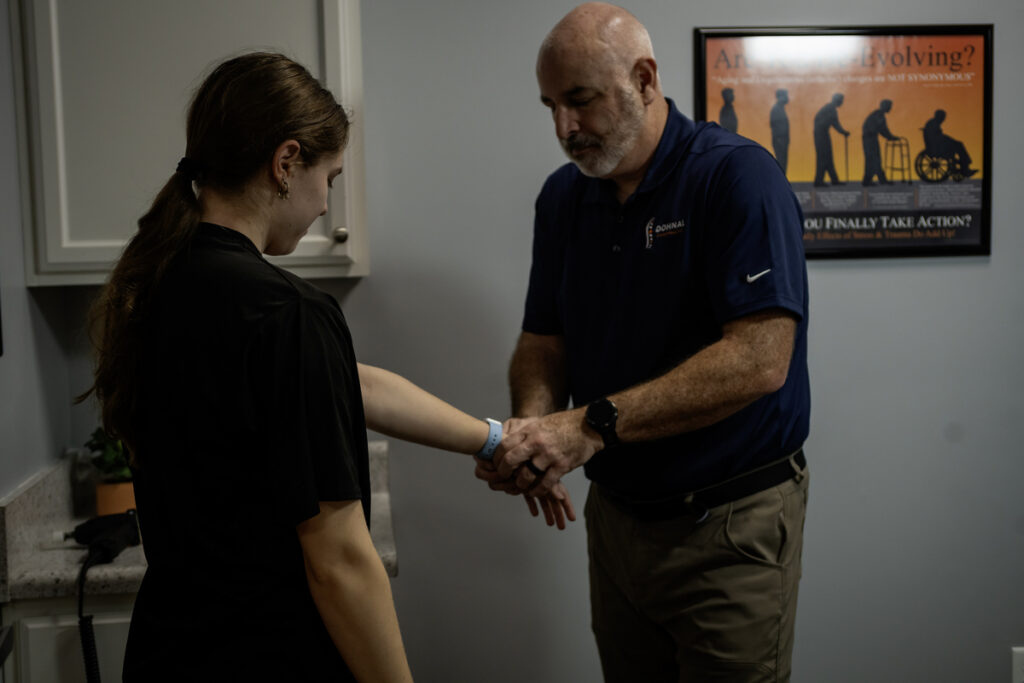
Before your first session, your chiropractor will conduct a thorough evaluation, including your medical history, current symptoms, and diagnostic imaging results if available. This assessment helps determine whether you’re a good candidate and allows for customization of your treatment plan.
During the session, you’ll remain fully clothed and lie comfortably on the decompression table. The chiropractor will fit you with a harness system that connects to the computerized table. Treatment begins with gentle forces that gradually increase as your body relaxes and adapts.
The therapy follows a pattern of pulling and relaxing. This cyclical approach prevents your muscles from tensing up defensively, which could limit the treatment’s effectiveness. Many patients find the rhythmic motion soothing and use the time to relax or even meditate.
Most treatment plans involve multiple sessions over several weeks. A typical protocol might include 15 to 30 sessions scheduled three to five times per week initially, then tapering to less frequent visits as improvement occurs. The exact schedule depends on the severity of your condition and how your body responds.
After each session, you may be advised to apply ice to the treated area and avoid strenuous activities for a short period. Some patients notice immediate relief, while others experience gradual improvement over the course of treatment. Mild soreness similar to post-exercise discomfort is occasionally reported but typically resolves quickly.
Who is an Ideal Candidate for Spinal Decompression?
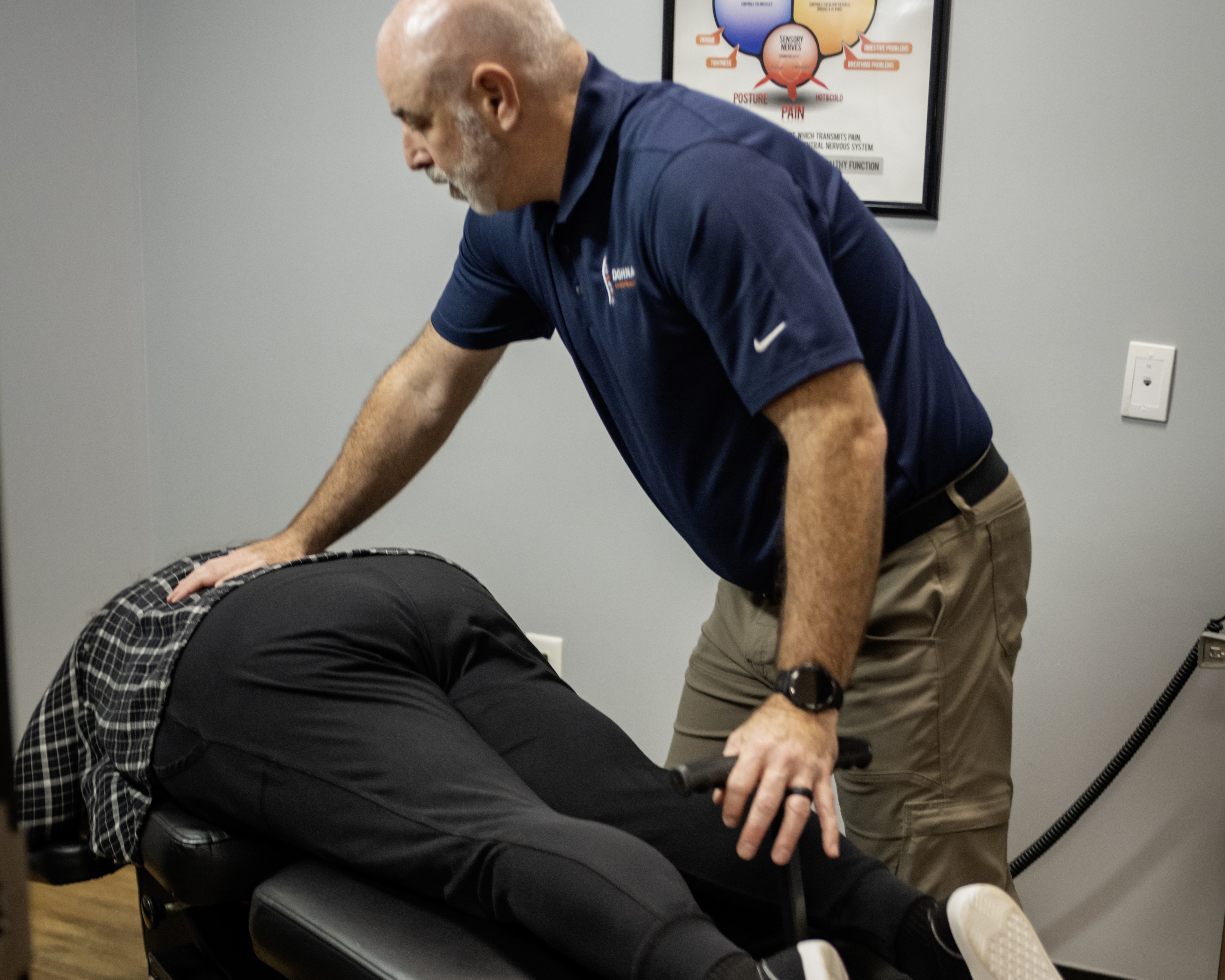
Spinal decompression can be beneficial for many people, but it’s not appropriate for everyone. Understanding whether you’re a good candidate involves considering several factors related to your health status, specific condition, and treatment goals.
Good candidates typically include: Patients with confirmed disc herniations or bulges causing nerve compression, individuals experiencing sciatica or radiating arm pain from cervical disc issues, those with degenerative disc disease who haven’t found adequate relief from other conservative measures, and people who want to explore non-surgical options before considering invasive procedures.
Age isn’t necessarily a limiting factor, though older adults should be evaluated carefully. Many patients in their 50s, 60s, and beyond have experienced significant benefits from decompression therapy at Dohnal Chiropractic.
Contraindications and limiting factors: Certain conditions make spinal decompression inadvisable. Pregnancy is an absolute contraindication due to the harness system and positioning required. Patients with spinal fractures, tumors, or advanced osteoporosis face increased risk and should not undergo decompression therapy.
Those with spinal fusion hardware, metal implants in the spine, or certain types of surgical instrumentation may not be suitable candidates, though this depends on the specific hardware and location. Abdominal aortic aneurysm is another serious contraindication.
Patients with severe obesity may face challenges with the equipment’s weight limits, though this varies by device. Active infections, bleeding disorders, or conditions requiring blood thinners require careful evaluation before proceeding.
Realistic expectations matter: The best candidates approach spinal decompression with realistic expectations. While many patients experience significant relief, outcomes vary. Decompression works best as part of a comprehensive care plan that may include chiropractic adjustments, therapeutic exercises, ergonomic modifications, and lifestyle changes.
Your chiropractor at Dohnal Chiropractic will help you determine whether spinal decompression aligns with your health goals and clinical presentation. Honest communication about your symptoms, medical history, and expectations ensures the best possible outcome.
How Spinal Decompression Fits Into Chiropractic Care
At Dohnal Chiropractic in Nashville, TN, spinal decompression is viewed as one valuable tool within a broader chiropractic approach to musculoskeletal health. Rather than a standalone treatment, it often works synergistically with other conservative care methods to address the underlying causes of spinal pain and dysfunction.
Chiropractic care focuses on optimizing spinal alignment, joint function, and nervous system health through hands-on adjustments and various therapeutic modalities. When disc-related issues compromise these systems, spinal decompression can complement traditional chiropractic techniques by addressing the disc pathology while adjustments restore proper joint mechanics.
For example, a patient with a herniated disc causing sciatica might receive spinal decompression to reduce disc bulging and nerve pressure, while chiropractic adjustments address any misalignments or restricted motion in surrounding spinal segments. This combined approach targets both the primary problem and contributing factors.
Many chiropractors also incorporate soft tissue therapies, such as massage or myofascial release, alongside decompression. Tight, restricted muscles can limit the effectiveness of decompression and contribute to recurrent problems. Addressing muscular imbalances enhances overall outcomes.
Rehabilitation exercises form another crucial component. As decompression reduces pain and improves disc health, targeted exercises strengthen supporting muscles, improve flexibility, and promote proper movement patterns. This helps maintain the gains achieved through decompression and reduces the likelihood of future episodes.
The individualized nature of chiropractic care means your treatment plan will be tailored to your unique presentation. Some patients benefit most from a decompression-focused approach, while others achieve better results emphasizing adjustments and exercise with decompression as a supportive therapy.
Complementary Therapies and Lifestyle Modifications
Maximizing the benefits of spinal decompression therapy involves more than just the treatment sessions themselves. Your daily habits, activity choices, and complementary self-care strategies play a significant role in supporting your recovery and preventing future problems.
Posture awareness: Poor posture places additional stress on spinal discs, potentially counteracting the benefits of decompression. Whether sitting at a desk, standing, or sleeping, maintaining neutral spinal alignment reduces unnecessary disc pressure. Ergonomic workstation setup is particularly important for Nashville professionals who spend long hours at computers.
Movement and exercise: Gentle movement helps maintain spinal flexibility and supports disc nutrition. Walking, swimming, and specific stretching routines can complement decompression therapy. Your chiropractor can recommend appropriate exercises based on your condition and treatment phase. High-impact activities or heavy lifting should generally be avoided during the intensive treatment phase.
Core strengthening: A strong core provides natural support for your spine, reducing the load on intervertebral discs. Exercises targeting the deep abdominal and back muscles create a muscular “corset” that protects your spine during daily activities. These exercises are typically introduced gradually as your condition improves.
Hydration: Adequate water intake supports disc health since discs contain a significant amount of water. Proper hydration helps maintain disc height and shock-absorbing capacity. Aim for consistent water consumption throughout the day.
Weight management: Excess body weight increases mechanical stress on spinal structures, particularly in the lower back. Even modest weight loss can significantly reduce disc pressure and improve treatment outcomes.
Smoking cessation: Smoking impairs circulation to spinal discs, limiting nutrient delivery and waste removal. This can hinder the healing process and reduce treatment effectiveness. Evidence indicates that smoking cessation supports better long-term spinal health outcomes.
Stress reduction: Chronic stress contributes to muscle tension, which can affect spinal mechanics and exacerbate pain. Techniques such as deep breathing, meditation, or gentle yoga may help manage stress and support your overall treatment plan.
When to Consider Spinal Decompression
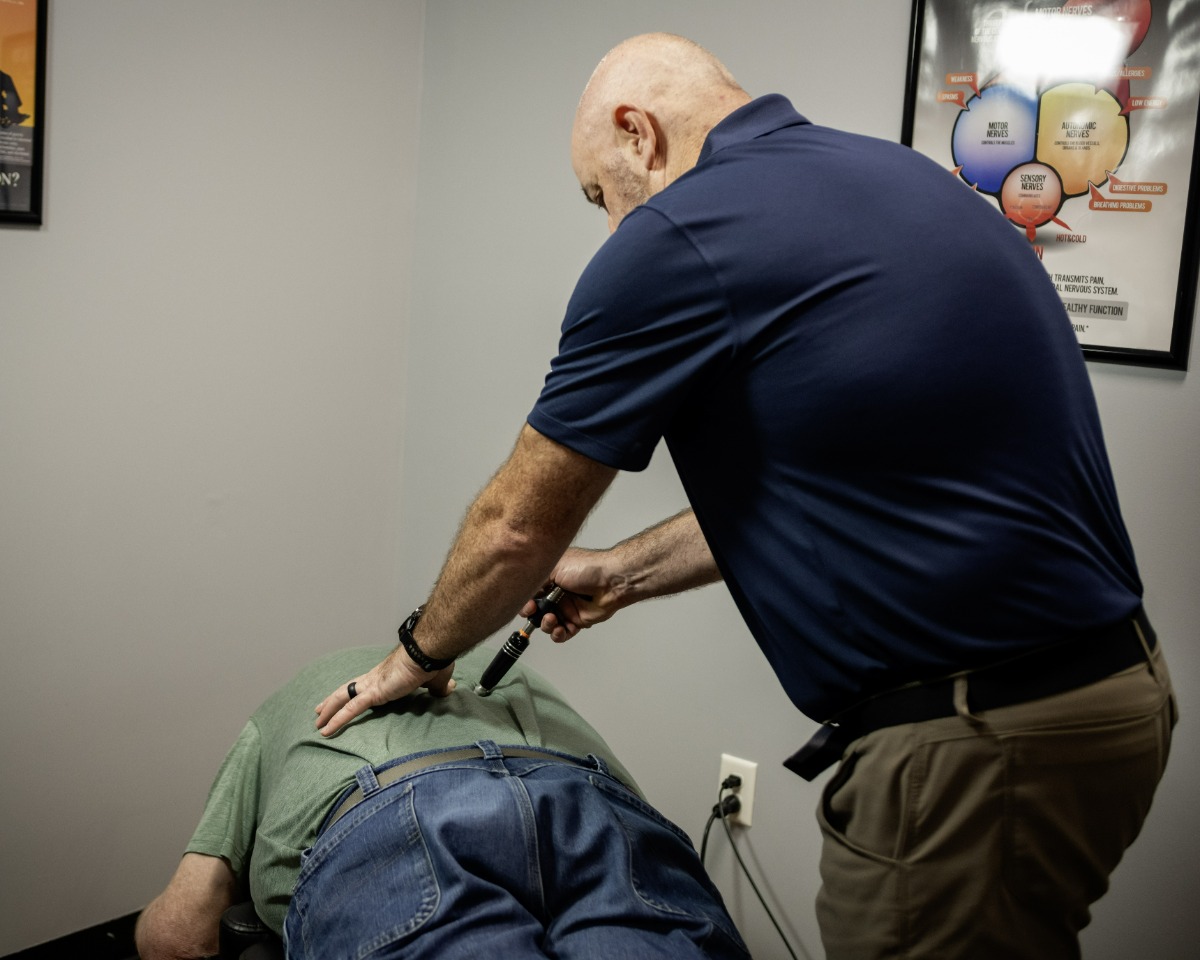
Knowing when spinal decompression might be appropriate for your situation helps you make informed decisions about your care. Several indicators suggest decompression could be a beneficial option worth discussing with your chiropractor.
Duration and severity of symptoms: If you’ve experienced persistent back pain, neck pain, or radiating symptoms for more than a few weeks despite rest and basic home care, professional evaluation is warranted. Chronic symptoms lasting months or years may particularly benefit from decompression therapy when disc involvement is confirmed.
Limited response to other conservative care: When standard treatments like over-the-counter pain relievers, rest, ice, heat, or general chiropractic adjustments provide only partial or temporary relief, decompression offers another conservative option before considering more invasive interventions.
Diagnostic confirmation: Imaging studies showing disc herniation, bulging, or degeneration provide objective evidence that decompression may address your underlying problem. While imaging isn’t always necessary, it can guide treatment decisions for persistent or severe cases.
Desire to avoid surgery: Many patients come to Dohnal Chiropractic specifically seeking alternatives to surgical intervention. When appropriate, spinal decompression offers a non-invasive option that may help delay or potentially avoid surgery altogether.
Red flags requiring immediate medical attention: Certain symptoms indicate serious conditions requiring urgent evaluation. Seek immediate medical care if you experience progressive weakness, especially in both legs; loss of bowel or bladder control; numbness in the groin or saddle area; severe pain following trauma; or symptoms accompanied by unexplained fever or weight loss. These may indicate cauda equina syndrome, spinal infection, fracture, or other serious conditions requiring emergency treatment.
Timing considerations: Early intervention often produces better outcomes. If you’ve recently developed disc-related symptoms, addressing them promptly may prevent chronic problems from developing. However, even long-standing conditions can respond to decompression therapy, so don’t assume you’ve “missed your window” if you’ve been dealing with pain for a while.
Treatment Options Comparison
| Treatment Approach | Invasiveness | Recovery Time | Typical Application |
|---|---|---|---|
| Spinal Decompression | Non-invasive | Minimal; normal activities typically continue | Disc herniations, degenerative disc disease, sciatica |
| Traditional Traction | Non-invasive | Minimal; less sophisticated than modern decompression | General spinal pain, muscle tension |
| Epidural Steroid Injections | Minimally invasive | Days to weeks; possible side effects | Severe inflammation, radiating pain |
| Spinal Surgery | Invasive | Weeks to months; significant recovery period | Severe cases, failed conservative care, neurological deficits |
| Physical Therapy/Exercise | Non-invasive | Minimal; gradual improvement over weeks | Rehabilitation, prevention, strengthening |
Myths vs. Facts About Spinal Decompression
Myth: Spinal decompression is just fancy traction with a higher price tag
Fact: While both involve spinal stretching, modern decompression differs significantly from traditional traction. Computerized decompression tables use sophisticated sensors and algorithms to adjust force based on your body’s response, preventing the muscle guarding that limits traditional traction effectiveness. The cyclical pattern of pull and release in decompression therapy creates negative intradiscal pressure more effectively than sustained traction. Clinical evidence suggests this distinction can lead to different therapeutic outcomes.
Myth: Spinal decompression cures herniated discs permanently
Fact: Spinal decompression can help reduce symptoms and support healing, but calling it a “cure” overstates the case. Many patients experience significant, lasting relief when decompression is combined with appropriate rehabilitation and lifestyle modifications. However, discs that have been injured remain somewhat vulnerable, and maintaining results requires ongoing attention to posture, movement patterns, and spinal health. Decompression is best viewed as part of a comprehensive approach rather than a one-time fix.
Myth: Everyone with back pain should try spinal decompression
Fact: Spinal decompression is most appropriate for specific disc-related conditions with nerve compression. Not all back pain involves the discs, and some cases respond better to other approaches. Facet joint problems, sacroiliac dysfunction, muscle strains, and other conditions may require different treatments. Additionally, certain contraindications make decompression unsafe for some individuals. A thorough evaluation at Dohnal Chiropractic determines whether your specific condition makes you a suitable candidate.
Myth: Spinal decompression is painful
Fact: Most patients find spinal decompression comfortable and relaxing. The forces applied are gentle and gradually introduced, and the cyclical pattern prevents the discomfort sometimes associated with sustained traction. Some patients experience mild soreness afterward, similar to post-exercise muscle fatigue, but this typically resolves quickly. If you experience pain during treatment, the settings can be adjusted to ensure your comfort while still providing therapeutic benefit.
Myth: Results from spinal decompression are immediate
Fact: While some patients notice improvement after their first few sessions, most experience gradual relief over several weeks of treatment. Disc healing is a biological process that takes time, and consistent treatment allows cumulative benefits to develop. Expecting overnight results can lead to disappointment and premature discontinuation of care. Patience and adherence to your recommended treatment schedule typically produce the best outcomes. Your chiropractor will help you understand realistic timelines based on your specific condition.
Final Thoughts
Deciding whether spinal decompression is right for you involves careful consideration of your specific condition, health goals, and treatment preferences. This non-surgical, drug-free approach has helped many Nashville residents find relief from chronic back pain, sciatica, and disc-related problems when other conservative treatments fell short.
At Dohnal Chiropractic in Nashville, TN, we believe in providing honest, evidence-informed guidance to help you make the best decision for your health. Spinal decompression isn’t appropriate for everyone, but for suitable candidates, it can be a valuable component of a comprehensive treatment plan that addresses both symptoms and underlying causes.
If you’re struggling with persistent back pain, neck pain, or radiating symptoms and haven’t found adequate relief through other methods, it may be time to explore whether spinal decompression could benefit you. A thorough evaluation will help determine if this therapy aligns with your condition and recovery goals. Your path to improved spinal health may involve multiple strategies working together—decompression, chiropractic adjustments, rehabilitation exercises, and lifestyle modifications—all tailored to your unique needs.
Remember that conservative care options like those offered at Dohnal Chiropractic provide opportunities to address spinal problems without the risks and recovery time associated with surgery. Whether spinal decompression becomes part of your treatment plan or other approaches prove more suitable, taking action to address your symptoms is the first step toward feeling better and enjoying the active Nashville lifestyle you deserve.
Frequently Asked Questions
How many spinal decompression sessions will I need?
Most patients require between 15 and 30 sessions over four to eight weeks, though this varies based on condition severity and individual response. Your chiropractor will develop a personalized treatment schedule and adjust it based on your progress. Some patients need fewer sessions, while chronic or severe cases may benefit from more extensive treatment followed by periodic maintenance sessions.
Does insurance cover spinal decompression therapy?
Insurance coverage for spinal decompression varies significantly by provider and plan. Some insurance companies cover it under certain circumstances, while others consider it experimental or elective. At Dohnal Chiropractic, we can help you verify your coverage and explore payment options. Many patients find the investment worthwhile given the potential to avoid more expensive surgical interventions.
Can I combine spinal decompression with other treatments?
Yes, spinal decompression often works best when combined with complementary therapies. Chiropractic adjustments, therapeutic exercises, soft tissue work, and lifestyle modifications can enhance decompression outcomes. Your chiropractor will design an integrated treatment plan that addresses your condition comprehensively rather than relying on decompression alone.
What’s the difference between spinal decompression for the neck versus the lower back?
The fundamental principles remain the same, but cervical (neck) decompression uses different positioning and harness systems than lumbar (lower back) decompression. Cervical decompression typically involves less force and may use a specialized head harness. Both approaches aim to create negative intradiscal pressure and reduce nerve compression, but protocols are tailored to the specific region being treated.
Will my symptoms return after completing spinal decompression treatment?
Long-term outcomes depend on multiple factors including the severity of your initial condition, adherence to rehabilitation exercises, lifestyle modifications, and ongoing spinal health maintenance. Many patients maintain their improvements long-term, especially when they continue appropriate exercises and ergonomic practices. Some may benefit from periodic maintenance sessions. Your chiropractor at Dohnal Chiropractic will provide guidance on sustaining your results after completing the initial treatment phase.
Is spinal decompression safe for older adults?
Age alone doesn’t disqualify someone from spinal decompression, and many older adults benefit from this gentle, non-invasive approach. However, certain age-related conditions like advanced osteoporosis, previous spinal surgeries with hardware, or other health concerns require careful evaluation. A thorough assessment helps determine safety and appropriateness for each individual, regardless of age.
TL;DR – Key Takeaways
- Spinal decompression is a non-surgical therapy that uses gentle, computerized traction to relieve pressure on spinal discs and nerves, potentially helping conditions like herniated discs, sciatica, and degenerative disc disease.
- Good candidates include those with confirmed disc problems who haven’t found adequate relief from other conservative treatments and want to explore options before considering surgery; however, certain conditions like pregnancy, fractures, and advanced osteoporosis are contraindications.
- Treatment typically involves 15-30 sessions over several weeks, and most patients find the therapy comfortable and relaxing with gradual improvement rather than immediate results.
- Spinal decompression works best as part of a comprehensive chiropractic care plan that includes adjustments, rehabilitation exercises, and lifestyle modifications rather than as a standalone treatment.
- Realistic expectations, honest communication with your chiropractor, and commitment to the full treatment protocol and aftercare recommendations are essential for achieving the best possible outcomes.