
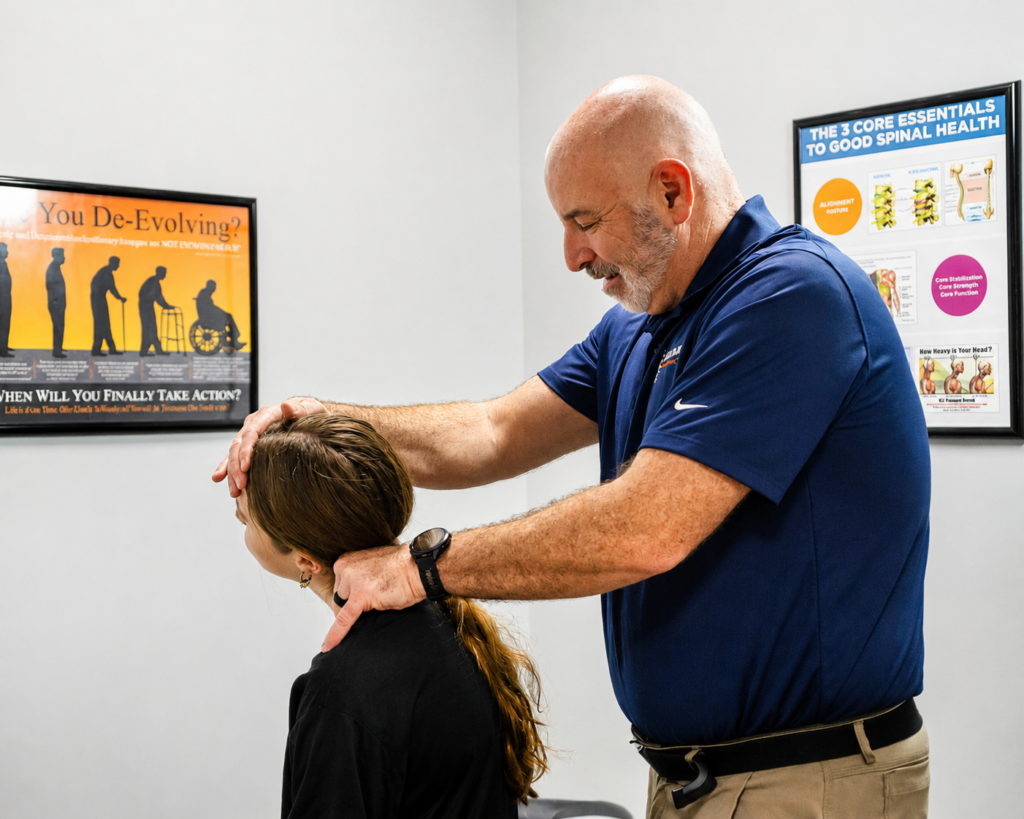

If you’ve ever woken up with a stiff neck, spent hours hunched over a computer, or turned your head only to feel a sharp jab of pain, you’re not alone. Neck pain is one of the most common complaints we see here at Dohnal Chiropractic in Nashville, TN. Whether it’s a dull ache that won’t go away or sudden discomfort that limits your movement, neck pain can significantly impact your daily life—from work productivity to sleep quality to simply enjoying time with family and friends. The good news? Understanding what’s causing your neck pain is the first step toward finding relief. In this article, we’ll walk you through the most common causes of neck pain, the symptoms to watch for, and how chiropractic care offers a safe, non-invasive approach to getting you back to feeling like yourself again.
What is neck pain? Neck pain refers to discomfort or pain anywhere in the cervical spine region—the seven vertebrae that run from the base of your skull down to your upper back. This pain can range from mild stiffness to severe, debilitating discomfort that affects your ability to move your head, sleep comfortably, or perform everyday tasks.
Table of Contents
- Understanding Your Neck’s Anatomy
- Common Causes of Neck Pain
- Signs and Symptoms to Watch For
- How Chiropractic Care Addresses Neck Pain
- Practical Tips for Neck Pain Relief at Home
- When to See a Chiropractor for Neck Pain
- Acute vs. Chronic Neck Pain: What’s the Difference?
- Myths vs. Facts About Neck Pain
- Final Thoughts from Dohnal Chiropractic
Understanding Your Neck’s Anatomy
Your neck does far more than just support your head. The cervical spine is an intricate structure made up of seven small vertebrae, cushioning discs between each bone, multiple muscles, ligaments, tendons, and a network of nerves that branch out from your spinal cord. Together, these components allow you to turn your head, look up and down, and maintain proper posture throughout the day.
The average human head weighs about 10 to 12 pounds in a neutral position. However, when you tilt your head forward—like when looking down at your phone or computer—the effective weight on your neck increases dramatically. Research suggests that at a 15-degree forward tilt, your neck bears approximately 27 pounds of force. At 60 degrees, that number jumps to 60 pounds. This repeated strain takes a toll on the muscles, ligaments, and joints of your cervical spine.
When any part of this delicate system becomes irritated, inflamed, or misaligned, you may experience pain, stiffness, reduced range of motion, or even radiating symptoms down your arms. Understanding this helps explain why seemingly minor postural habits can lead to significant discomfort over time.
Common Causes of Neck Pain
Neck pain rarely appears out of nowhere. Most cases develop gradually due to repetitive stress, poor posture, or sudden injury. Here in Nashville, we see patients from all walks of life dealing with neck discomfort—from musicians and office workers to healthcare professionals and construction workers. Let’s explore the most common culprits.
Poor Posture and Forward Head Position
One of the leading causes of neck pain in modern life is poor posture, particularly what we call “forward head posture” or “text neck.” When you spend hours with your head tilted forward looking at screens, your neck muscles must work overtime to support that increased load. Over weeks, months, or years, this repetitive strain weakens muscles, stresses ligaments, and can lead to chronic neck pain and tension headaches.
Muscle Strain and Overuse
Simple activities like sleeping in an awkward position, carrying a heavy bag on one shoulder, or holding your phone between your ear and shoulder can strain neck muscles. These strains may seem minor at first, but they can trigger muscle spasms, inflammation, and protective guarding that limits your movement and causes pain.
Joint Dysfunction and Vertebral Subluxation
The joints between your cervical vertebrae—called facet joints—allow smooth movement in multiple directions. When these joints become restricted, misaligned, or irritated (what chiropractors often refer to as subluxation), they can cause localized pain, muscle tension, and reduced mobility. Joint dysfunction may result from injury, repetitive stress, or degenerative changes over time.
Whiplash and Acute Injury
Sudden trauma—such as a car accident, sports collision, or fall—can cause whiplash, a condition where your head is forcefully thrown forward and backward. This rapid motion can damage soft tissues, strain muscles and ligaments, and irritate nerves. Whiplash symptoms may appear immediately or develop gradually over several days.
Disc Problems
The soft discs between your vertebrae act as shock absorbers. When a disc bulges, herniates, or degenerates, it can put pressure on nearby nerves, causing not just neck pain but also radiating symptoms like numbness, tingling, or weakness in your shoulders, arms, or hands.
Arthritis and Degenerative Changes
As we age, the cartilage and bones in our neck can naturally wear down—a process called cervical spondylosis or osteoarthritis. While this is a normal part of aging, it can lead to stiffness, reduced range of motion, and pain, especially after periods of inactivity.
Stress and Muscle Tension
Emotional stress often manifests physically in the neck and shoulders. When you’re stressed, anxious, or overwhelmed, you may unconsciously tense these muscles, leading to chronic tightness, trigger points, and pain that persists even when you try to relax.
Signs and Symptoms to Watch For
Neck pain presents differently for everyone, depending on the underlying cause and severity. Some people experience occasional stiffness, while others deal with constant, debilitating pain. Recognizing your specific symptoms can help you and your chiropractor develop the most effective care plan.
Common neck pain symptoms include:
- Dull, aching pain in the neck or upper back
- Sharp, stabbing pain when you move your head in certain directions
- Stiffness that makes it difficult to turn your head or look over your shoulder
- Muscle tightness or spasms in the neck and shoulders
- Headaches that begin at the base of your skull and radiate forward
- Radiating pain, numbness, or tingling down your arms or into your hands
- Weakness in your arms or hands
- Grinding or popping sensations when you move your neck
The location, intensity, and pattern of your symptoms provide important clues about what’s happening in your cervical spine. For instance, pain that worsens with movement may indicate joint dysfunction, while pain accompanied by arm numbness might suggest nerve involvement.
It’s also important to note how your symptoms affect your daily life. Are you having trouble sleeping? Do you avoid certain activities because of pain? Has your work performance suffered? At Dohnal Chiropractic, we take the time to understand not just your symptoms, but how neck pain is impacting your quality of life in Nashville.
How Chiropractic Care Addresses Neck Pain
Chiropractic care offers a conservative, non-invasive approach to neck pain that focuses on identifying and addressing the underlying cause—not just masking symptoms. Rather than relying solely on pain medication or jumping straight to surgery, chiropractic care works with your body’s natural ability to heal and function properly.
Comprehensive Assessment
When you visit Dohnal Chiropractic in Nashville, your care begins with a thorough evaluation. We’ll discuss your symptoms, health history, daily activities, and what you’ve already tried for relief. A physical examination helps us assess your posture, range of motion, muscle tension, joint function, and neurological status. In some cases, we may recommend imaging studies to rule out serious conditions or better understand structural changes.
Spinal Adjustments and Joint Mobilization
The cornerstone of chiropractic care for neck pain is the spinal adjustment—a targeted, controlled force applied to restore proper joint motion and alignment in your cervical spine. When joints move better, surrounding muscles relax, inflammation decreases, and nerve function improves. Adjustments are tailored to your specific condition, comfort level, and health goals.
Evidence indicates that spinal manipulation can be effective for certain types of neck pain, particularly mechanical neck pain and cervicogenic headaches. Organizations like the American College of Physicians recognize spinal manipulation as a treatment option for neck pain, emphasizing its role in conservative, non-pharmacological care.
Soft Tissue Therapy
Because muscles, ligaments, and fascia play such an important role in neck pain, we often incorporate soft tissue techniques into your care plan. These may include trigger point therapy, myofascial release, or therapeutic massage to reduce muscle tension, improve circulation, and support healing.
Postural Correction and Ergonomic Guidance
Addressing the root cause of your neck pain often means changing daily habits. We’ll work with you to identify postural patterns that contribute to your discomfort and provide practical strategies for improving your workspace ergonomics, sleeping position, and movement habits. Small adjustments can make a significant difference over time.
Therapeutic Exercise and Rehabilitation
Strengthening and stretching exercises help stabilize your neck, improve flexibility, and prevent future episodes of pain. We’ll guide you through exercises designed specifically for your condition—movements you can do at home or work to support long-term neck health.
Lifestyle and Wellness Recommendations
At Dohnal Chiropractic, we believe in empowering patients with knowledge and tools for self-care. This might include advice on stress management, hydration, nutrition, sleep quality, and activity modification—all factors that influence inflammation, healing, and overall wellbeing.
Practical Tips for Neck Pain Relief at Home
While professional chiropractic care is important for addressing the underlying causes of neck pain, there are several things you can do at home to support your recovery and prevent future problems. These practical tips are safe, evidence-informed, and aligned with conservative care principles.
Optimize Your Workspace Ergonomics
If you work at a computer, make sure your monitor is at eye level so you’re not constantly looking down. Your keyboard and mouse should be positioned so your elbows stay close to your body at about 90 degrees. Take regular breaks every 30 to 45 minutes to stand, stretch, and move around.
Mind Your Phone and Device Use
Instead of tilting your head down to look at your phone, bring the device up to eye level. Limit prolonged scrolling sessions, and take frequent breaks to move your neck through its full range of motion.
Improve Your Sleeping Setup
Your pillow should support the natural curve of your neck without pushing your head too far forward or letting it drop too far back. Side sleepers generally need a thicker pillow than back sleepers. Avoid sleeping on your stomach, as this forces your neck into an awkward twisted position for hours.
Stay Active with Gentle Movement
Gentle neck stretches and range-of-motion exercises can help maintain flexibility and reduce stiffness. Simple movements like slowly turning your head side to side, tilting your ear toward your shoulder, and doing shoulder rolls can all be beneficial when done gently and within a comfortable range.
Apply Heat or Cold Appropriately
For acute injuries or inflammation, ice packs (wrapped in a towel) for 15 to 20 minutes can help reduce swelling. For chronic muscle tension and stiffness, moist heat can relax tight muscles and improve circulation. Listen to your body and use whichever feels more soothing.
Manage Stress Mindfully
Since stress often manifests as neck and shoulder tension, incorporating stress-reduction practices like deep breathing, meditation, or gentle yoga can have a positive impact on your physical symptoms. Even a few minutes of intentional relaxation each day can help.
Stay Hydrated
Your spinal discs need adequate hydration to maintain their cushioning properties. Drinking enough water throughout the day supports disc health and overall tissue function.
When to See a Chiropractor for Neck Pain
Many cases of minor neck stiffness resolve on their own with rest and self-care. However, there are times when professional evaluation and treatment are important. Knowing when to seek chiropractic care can help you avoid chronic problems and get back to your normal activities more quickly.
Consider scheduling an appointment at Dohnal Chiropractic if:
- Your neck pain persists for more than a week despite home care
- Pain is severe or getting progressively worse
- You’re experiencing radiating pain, numbness, or tingling in your arms or hands
- Your range of motion is significantly limited
- You’ve been in a car accident, suffered a fall, or experienced other trauma
- Neck pain is affecting your sleep, work, or daily activities
- You’re relying on pain medication to get through the day
- You’ve had recurring episodes of neck pain
Seek immediate medical attention if you experience:
- Neck pain following a high-impact injury
- Severe headache with neck stiffness and fever (possible signs of meningitis)
- Loss of bladder or bowel control
- Progressive weakness in arms or legs
- Severe, sudden-onset headache unlike any you’ve experienced before
- Difficulty swallowing or breathing
These red flags may indicate serious conditions requiring immediate medical evaluation. Your chiropractor in Nashville is trained to recognize these warning signs and will refer you to appropriate medical specialists when necessary.
Acute vs. Chronic Neck Pain: What’s the Difference?
| Characteristic | Acute Neck Pain | Chronic Neck Pain |
|---|---|---|
| Duration | Lasts less than 3 months, often just days to weeks | Persists for 3 months or longer |
| Onset | Usually sudden, often linked to specific incident | May develop gradually or persist after acute episode |
| Common Causes | Muscle strain, sleeping wrong, minor injury, sudden movement | Poor posture, repetitive stress, degenerative changes, previous injury |
| Pain Pattern | Sharp, intense, may improve with rest | Dull, aching, may fluctuate but doesn’t fully resolve |
| Treatment Approach | Rest, ice/heat, gentle movement, chiropractic adjustment | Chiropractic care, rehabilitation exercises, postural correction, lifestyle modifications |
| Recovery Timeline | Days to several weeks with appropriate care | Requires ongoing management and preventive strategies |
Myths vs. Facts About Neck Pain
There’s a lot of misinformation out there about neck pain and chiropractic care. Let’s clear up some of the most common misconceptions we hear at Dohnal Chiropractic in Nashville.
Myth: Neck pain always goes away on its own
Fact: While some minor neck stiffness may resolve without intervention, many cases of neck pain persist or worsen without proper care. Research suggests that a significant percentage of people who experience neck pain will have recurring episodes or develop chronic symptoms. Early intervention with conservative care like chiropractic treatment can help prevent acute problems from becoming chronic conditions.
Myth: Cracking your own neck is just as good as a chiropractic adjustment
Fact: When you crack your own neck, you’re typically moving the joints that are already hypermobile—not the restricted joints that actually need attention. Chiropractic adjustments are specific, controlled, and directed at joints that have lost proper motion. Self-manipulation can potentially strain ligaments and worsen instability over time. Leave the adjusting to trained professionals.
Myth: Chiropractic adjustments for the neck are dangerous
Fact: When performed by a licensed, trained chiropractor, cervical adjustments are safe and effective. Serious complications are extremely rare. Your chiropractor will take a thorough health history and perform appropriate examinations to identify any contraindications before proceeding with care. Evidence indicates that the risk of serious adverse events from cervical manipulation is very low, especially compared to long-term use of pain medications or surgical interventions.
Myth: You need X-rays or MRIs before seeing a chiropractor
Fact: Most cases of neck pain do not require imaging before beginning chiropractic care. Your chiropractor will determine if imaging is necessary based on your specific symptoms, history, and examination findings. Unnecessary imaging exposes you to radiation and expense without changing the treatment approach in most cases.
Myth: Once you start chiropractic care, you have to keep going forever
Fact: The frequency and duration of chiropractic care depend on your individual condition, goals, and response to treatment. Many patients experience significant improvement within a few weeks. Some choose ongoing wellness care to maintain results and prevent future problems, but this is a personal choice—not a requirement. At Dohnal Chiropractic, we respect your autonomy and work with you to develop a care plan that makes sense for your situation.
Final Thoughts from Dohnal Chiropractic
Neck pain doesn’t have to be something you just live with. Whether you’re dealing with occasional stiffness from poor posture, chronic discomfort that’s been bothering you for months, or recent pain from an injury, there are safe, effective, non-invasive options available. Understanding the causes of your neck pain and taking proactive steps—both at home and with professional care—can make a tremendous difference in your comfort, function, and overall quality of life.
Here in Nashville, TN, Dohnal Chiropractic is committed to helping our community members find lasting relief from neck pain through personalized, evidence-informed chiropractic care. We take the time to listen to your concerns, thoroughly evaluate your condition, and create a treatment plan tailored to your unique needs and goals. If you’re tired of living with neck pain and ready to explore a conservative, drug-free approach, we’d be honored to be part of your healthcare team.
Remember, your neck does important work every single day—supporting your head, protecting your spinal cord, and allowing you to move freely through life. Taking care of it now can help you avoid bigger problems down the road. Don’t hesitate to reach out if you have questions or want to schedule a consultation. We’re here to help.
Frequently Asked Questions
How long does it typically take for neck pain to improve with chiropractic care?
The timeline varies depending on the cause and severity of your neck pain, but many patients notice some improvement within the first few visits. Acute neck pain from muscle strain may respond quickly within one to two weeks, while chronic conditions often require several weeks of consistent care to see significant change. Your chiropractor will reassess your progress regularly and adjust your treatment plan accordingly.
Can neck pain cause headaches?
Yes, neck pain and headaches are closely related. Cervicogenic headaches originate from problems in the cervical spine and often present as pain that starts at the base of the skull and radiates forward. Joint dysfunction, muscle tension, and nerve irritation in the neck can all contribute to headache symptoms. Addressing the underlying neck problem often helps reduce or eliminate these headaches.
Is it normal for my neck to feel sore after a chiropractic adjustment?
Some patients experience mild soreness or stiffness for 24 to 48 hours after their first few adjustments—similar to how you might feel after starting a new exercise routine. This is a normal response as your body adapts to improved joint motion and muscle balance. The soreness typically decreases with subsequent visits and can be managed with ice, gentle movement, and staying hydrated.
What’s the best sleeping position for neck pain?
Back or side sleeping positions are generally best for neck health. If you sleep on your back, use a pillow that supports the natural curve of your neck without pushing your head too far forward. If you’re a side sleeper, choose a pillow thick enough to keep your head and neck aligned with your spine. Avoid stomach sleeping, as it forces your neck into a rotated position for extended periods.
Can stress really cause physical neck pain?
Absolutely. Emotional and mental stress trigger physical responses in your body, including muscle tension—particularly in the neck, shoulders, and upper back. When you’re stressed, you may unconsciously tighten these muscles, clench your jaw, or hold your shoulders in an elevated position. Over time, this chronic tension creates pain, trigger points, and restricted movement. Addressing both the physical symptoms and stress management is often necessary for lasting relief.
Should I use ice or heat for my neck pain?
The general guideline is to use ice for acute injuries or inflammation (within the first 48 to 72 hours) and heat for chronic muscle tension and stiffness. Ice helps reduce swelling and numbs sharp pain, while heat relaxes tight muscles and improves blood flow. However, everyone’s body responds differently, so use whichever provides more relief for your specific situation. If you’re unsure, your chiropractor at Dohnal Chiropractic can provide personalized recommendations.
TL;DR — Key Takeaways
- Neck pain is commonly caused by poor posture, muscle strain, joint dysfunction, injury, disc problems, or stress-related tension
- Symptoms range from dull aching and stiffness to sharp pain, headaches, and radiating numbness or tingling into the arms
- Chiropractic care offers a safe, non-invasive approach that addresses the underlying causes through spinal adjustments, soft tissue therapy, and rehabilitative exercises
- Home care strategies like improving ergonomics, optimizing sleep position, staying active, and managing stress can support recovery and prevention
- Seek professional care if pain persists beyond a week, limits your daily activities, involves radiating symptoms, or follows an injury—and seek immediate medical attention for red flag symptoms like severe trauma, fever with neck stiffness, or progressive weakness