
If you’ve ever felt a sharp, shooting pain travel down your leg or experienced sudden neck stiffness that just won’t quit, there’s a good chance a herniated disc may be involved. It’s one of the most common spine-related complaints we see at Dohnal Chiropractic here in Nashville, TN — and it can range from mildly annoying to genuinely disruptive to your daily life. The good news is that understanding what causes a herniated disc is the first step toward finding real, lasting relief. And for most people, that relief doesn’t have to involve surgery or heavy medication.
What is a herniated disc? A herniated disc occurs when the soft, gel-like center of a spinal disc pushes through a crack in the tougher outer layer, putting pressure on nearby nerves. This can happen gradually over time or as a result of a sudden injury, and it can occur in any part of the spine — though the lower back and neck are the most common locations.
- What Is a Herniated Disc, Exactly?
- What Causes a Herniated Disc?
- Signs and Symptoms to Watch For
- How Chiropractic Care Fits Into Your Recovery
- Practical Tips for Managing Disc Pain at Home
- When to See a Chiropractor
- Herniated Disc: Symptoms vs. Common Triggers
- Myths vs. Facts About Herniated Discs
- Final Thoughts from Dohnal Chiropractic in Nashville
What Is a Herniated Disc, Exactly?
Your spine is made up of individual vertebrae stacked on top of one another, and between each vertebra sits a spinal disc. Think of these discs like small shock absorbers — they cushion your vertebrae during movement, allow flexibility, and protect your spinal cord and nerve roots from pressure. Each disc has two parts: a tough, fibrous outer ring called the annulus fibrosus, and a softer, jelly-like center called the nucleus pulposus.
A herniated disc — sometimes called a slipped disc or ruptured disc — happens when that soft center breaks through the outer ring. When it does, it can press directly on a nearby nerve root or the spinal cord itself, which is where the pain, numbness, and weakness come from. The location of the herniation determines where you feel symptoms. A disc problem in the lower back, for instance, commonly causes sciatica — that radiating pain that shoots from the lower back down through the buttock and leg.
It’s important to understand that not all herniated discs cause pain. Some people have imaging studies that show disc herniation and yet experience no symptoms at all. Others experience significant discomfort. Every case is different, which is why personalized evaluation matters so much.
What Causes a Herniated Disc?
Understanding what causes a herniated disc can go a long way in both preventing one and making sense of what your body is going through. There are several well-established contributing factors, and in many cases, more than one is at play.
Age-Related Disc Degeneration
The most common underlying cause of a herniated disc is simply the natural aging process. As we get older, our spinal discs gradually lose water content. This makes them less pliable, more brittle, and more susceptible to tearing or cracking under pressure. This process, known as disc degeneration, can begin as early as our 30s and progresses over time. It doesn’t mean something has gone wrong with your body — it’s a normal part of aging — but it does mean the discs become more vulnerable to herniation even from minor stress.
Repetitive Strain and Overuse
Here in Nashville, we see a lot of patients whose herniated discs developed over time due to repetitive physical demands — whether from a job that involves heavy lifting, years of athletic training, or even extended periods of sitting in poor posture. Repeated bending, twisting, or compressing the spine places cumulative stress on the discs. Over time, this wears down the outer layer, eventually leading to a tear. This is why the cost of poor posture often doesn’t show up until later in life — the damage builds slowly before symptoms appear.
Sudden Injury or Trauma
A herniated disc can also result from a single traumatic event. Lifting a heavy object with improper form, a fall, or a car accident can all cause the disc to rupture suddenly. Auto accidents in particular are a frequent culprit — the sudden force on the spine can compress or torque the discs in ways the body simply can’t absorb. If you’ve been in a vehicle collision and are experiencing back or neck pain, auto injury chiropractic care may be an important part of your recovery.
Excess Body Weight
Carrying extra weight places additional compressive load on the lumbar spine — the lower back — which is already the most mechanically stressed part of your spine. Over time, this added pressure accelerates disc wear and increases the likelihood of herniation. Even modest reductions in body weight can meaningfully reduce the strain placed on spinal discs.
Genetic Predisposition
Research suggests that genetics may play a role in disc health. Some individuals simply inherit discs that are more prone to degeneration or structural weakness. If herniated discs or chronic back problems run in your family, it’s worth being proactive about spinal health and posture habits earlier in life.
Sedentary Lifestyle
Ironically, a lack of movement can also contribute to disc problems. Spinal discs don’t have a direct blood supply — they rely on movement and compression to absorb nutrients. A sedentary lifestyle reduces this exchange, making discs more prone to degeneration. Regular, appropriate physical activity helps keep the discs nourished and the supporting muscles strong.
Signs and Symptoms to Watch For
The symptoms of a herniated disc vary widely depending on which disc is affected and whether it’s pressing on a nerve. Some people experience intense, debilitating pain, while others feel a dull ache that gradually worsens over time. Knowing what to look for can help you seek care sooner rather than later.
When a disc herniates in the lower back (lumbar spine), the most common symptoms include sharp or burning pain in the lower back, buttocks, and down one leg. You might also notice numbness or tingling in the leg or foot, or weakness when trying to lift your foot. This pattern closely mirrors what’s described in our article on what causes sciatica and how to find relief, since sciatic nerve compression is a hallmark presentation of lumbar disc herniation.
When herniation occurs in the cervical spine (neck), symptoms often include neck pain that radiates into the shoulder and arm, numbness or tingling in the fingers, and sometimes weakness in the hand or arm. If you’re dealing with this kind of discomfort, exploring neck pain causes and chiropractic solutions can help you understand what’s happening and what your options are.
It’s worth noting that herniated discs don’t always cause radiating pain. Sometimes the symptoms are more localized — just stiffness and tenderness near the affected disc. This can make it easy to dismiss as a muscle strain, which is why professional evaluation is so important for an accurate diagnosis.
How Chiropractic Care Fits Into Your Recovery
Chiropractic care is widely recognized as a first-line, conservative option for herniated disc management. Organizations like the American College of Physicians (ACP) recommend starting with non-invasive, non-drug approaches for most cases of spinal pain — and chiropractic care fits squarely within that recommendation.
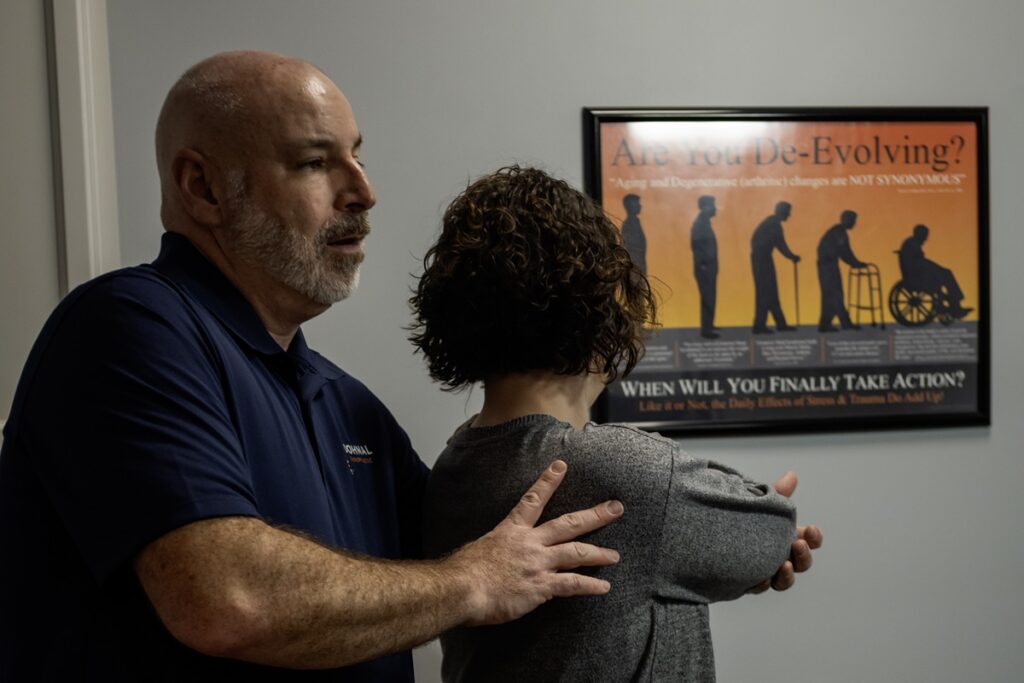
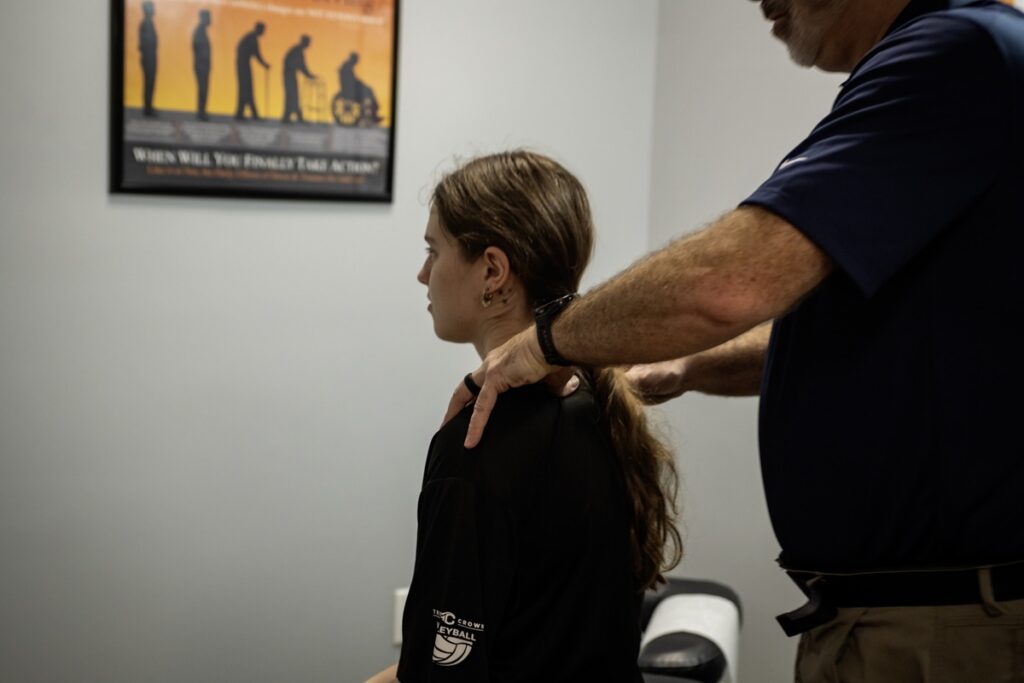
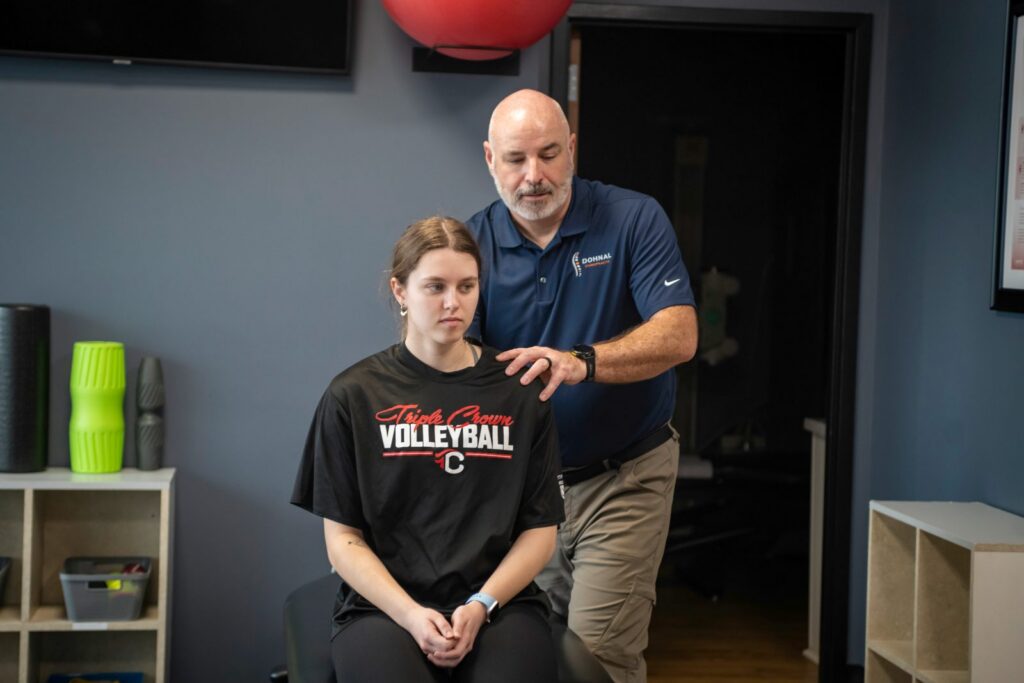
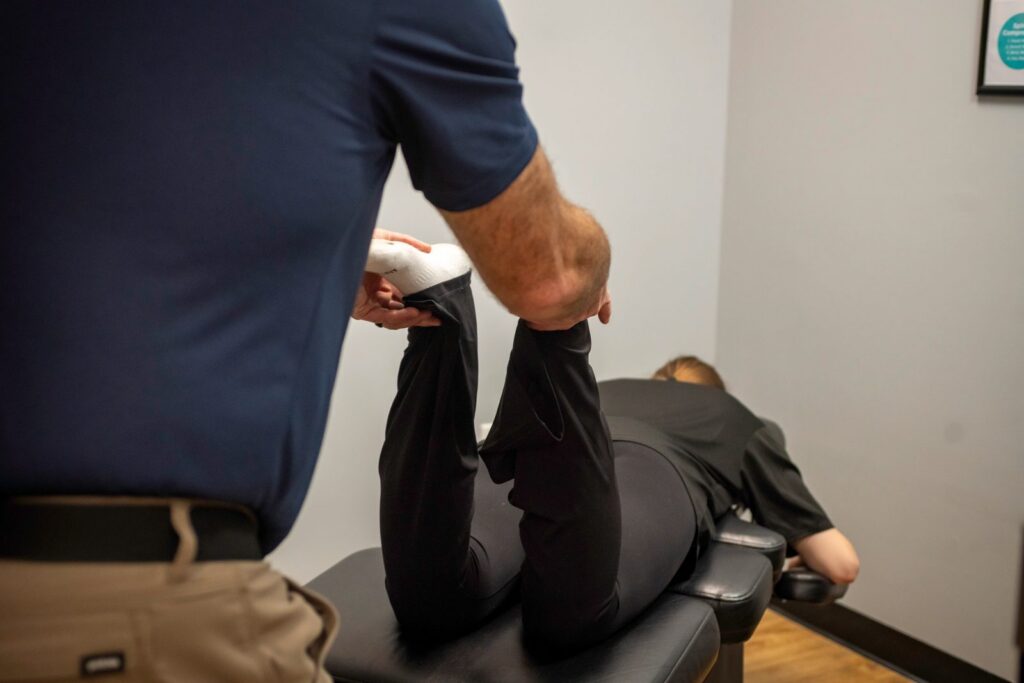
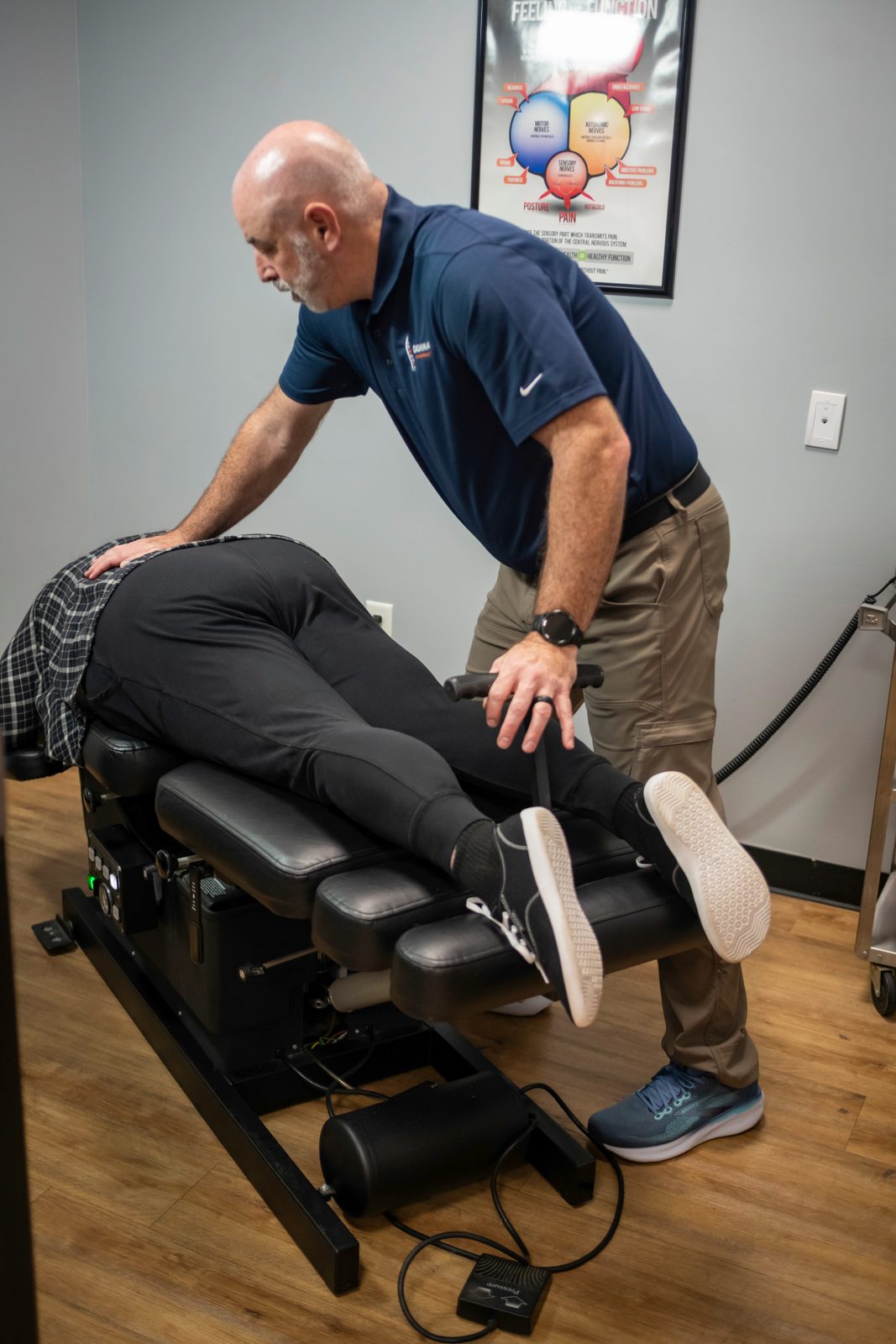
At Dohnal Chiropractic in Nashville, Dr. Christopher Dohnal takes a thorough, individualized approach to disc-related complaints. Rather than applying a one-size-fits-all protocol, Dr. Dohnal evaluates your specific presentation, identifies the root cause, and develops a care plan tailored to your spine’s needs. This may include gentle spinal adjustments to restore proper alignment, reduce nerve irritation, and improve mobility in the affected area.
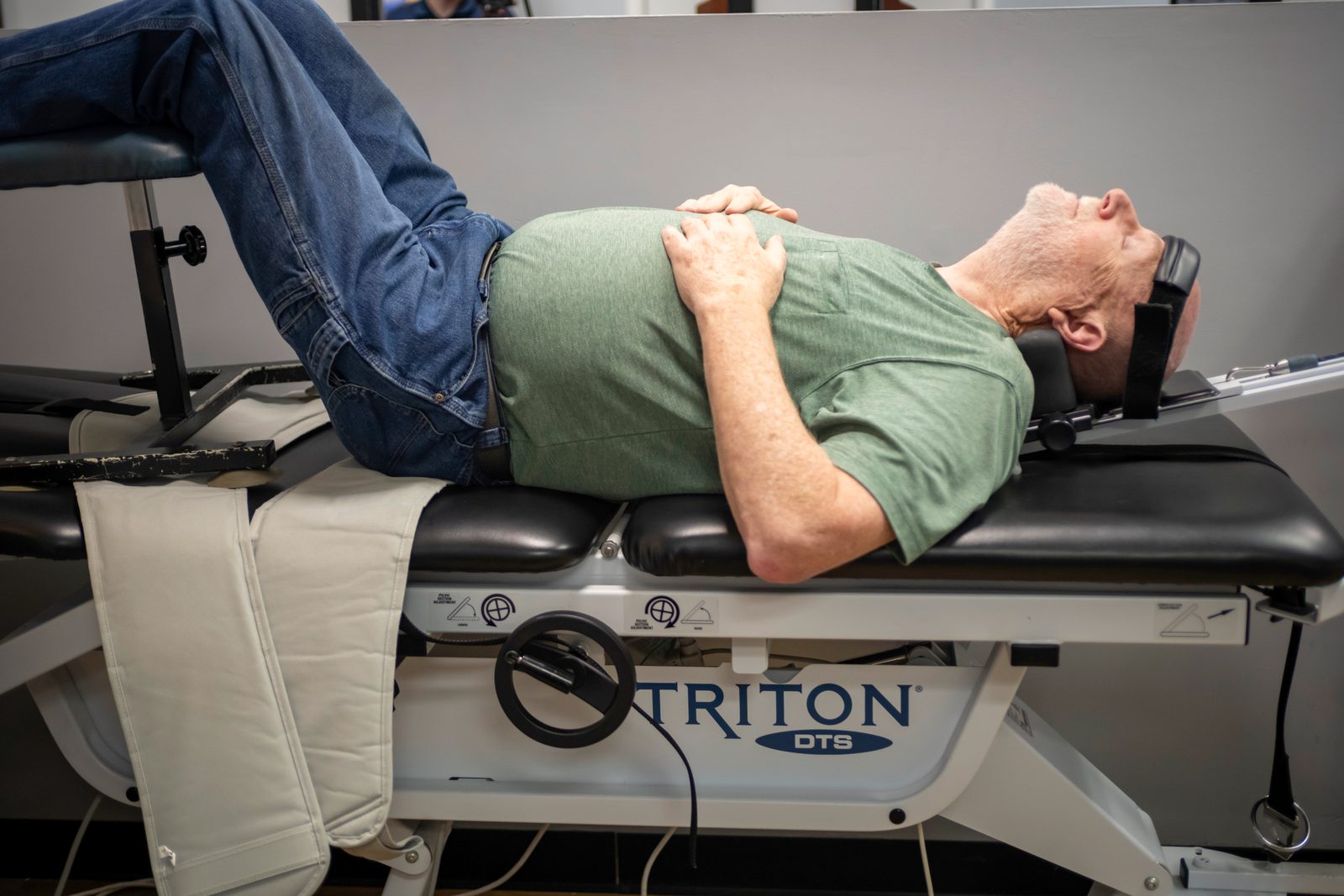
One particularly effective tool for herniated discs is spinal decompression therapy. This non-surgical technique gently stretches the spine to create negative pressure within the disc, which can help retract the herniated material and promote healing. If you’re wondering whether this approach might be right for you, our in-depth resource on spinal decompression and what patients should know is a great place to start.
Beyond spinal adjustments and decompression, Dr. Dohnal may also incorporate complementary rehabilitation strategies. The physical therapy services available at the practice can play an important role in strengthening the muscles around the spine, improving posture, and reducing the likelihood of re-injury. A well-rounded approach to care — one that addresses both the structural issue and the supporting musculature — tends to yield the most meaningful and lasting outcomes.
Practical Tips for Managing Disc Pain at Home
While professional care is essential for a herniated disc diagnosis, there are several safe, practical things you can do at home to support your recovery and reduce your pain levels day to day.
First, pay attention to your posture — especially if you work at a desk. Sitting for long periods with a rounded lower back dramatically increases the pressure inside your lumbar discs. If you’re unsure how your seated posture may be contributing to your discomfort, understanding the basics of chiropractic care for back pain can help frame the connection between alignment and disc health. Use a chair with proper lumbar support, keep your feet flat on the floor, and take short movement breaks every 30 to 45 minutes.
Second, move gently and consistently. While it may feel counterintuitive to move when you’re in pain, gentle, supported movement is typically more helpful than bed rest. Short walks, gentle stretching, and low-impact activities help maintain circulation to the discs and prevent the supporting muscles from weakening.
Third, be mindful of how you lift. When picking up objects from the floor — even light ones — bend at the knees and hips rather than rounding your lower back. Keep the object close to your body and avoid twisting while lifting. This simple habit can prevent re-injury significantly.
Fourth, apply heat or cold as needed. Cold packs can reduce inflammation during acute flare-ups (within the first 48 to 72 hours), while heat therapy is generally more effective for chronic stiffness and muscle tension around the affected area. Use either for 15 to 20 minutes at a time and protect the skin with a cloth barrier.
When to See a Chiropractor
Many cases of back or neck pain resolve on their own within a few weeks with rest and basic self-care. However, certain signs suggest it’s time to seek professional evaluation sooner rather than later. If your pain has lasted more than two to three weeks without improvement, radiates down your arm or leg, or is accompanied by numbness, tingling, or weakness in a limb, those are clear signals worth addressing with a chiropractor.
It’s also worth coming in if your pain is affecting your sleep, limiting your ability to work, or preventing you from doing activities you enjoy. Pain that disrupts your quality of life doesn’t need to be tolerated — and the sooner you get a proper assessment, the more options you typically have available.
There are also red flags that indicate the need for immediate medical attention rather than chiropractic care. These include loss of bladder or bowel control, severe leg weakness that comes on suddenly, progressive numbness that spreads rapidly, or disc pain following significant trauma such as a fall or accident. These symptoms can indicate a more serious spinal emergency and require prompt evaluation by a medical professional.
Herniated Disc: Symptoms vs. Common Triggers
| Symptom | Common Trigger or Association |
|---|---|
| Sharp lower back pain radiating down the leg | Lumbar disc herniation pressing on the sciatic nerve |
| Neck pain radiating into the shoulder or arm | Cervical disc herniation from degeneration or poor posture |
| Numbness or tingling in fingers or toes | Nerve root compression at the disc level |
| Muscle weakness in the leg or foot | Nerve signal disruption from lumbar herniation |
| Sudden acute disc pain | Heavy lifting with improper form, trauma, or auto accident |
| Gradual onset of stiffness and dull aching | Age-related disc degeneration, sedentary habits, or repetitive strain |
Myths vs. Facts About Herniated Discs
Myth: A herniated disc always requires surgery.
Fact: The vast majority of herniated discs respond well to conservative care. Surgery is generally considered only after non-invasive approaches have been exhausted. Research consistently shows that options like spinal manipulation, decompression therapy, and targeted rehabilitation help many patients avoid surgery altogether.
Myth: Bed rest is the best treatment for a herniated disc.
Fact: Extended bed rest is actually not recommended for most disc-related conditions. While rest in the acute phase can be appropriate, prolonged inactivity weakens the muscles that support the spine and can slow recovery. Gentle, guided movement is typically far more beneficial.
Myth: If imaging shows a herniated disc, you’ll always be in pain.
Fact: Imaging findings don’t always correlate with pain levels. Many people have disc herniations visible on MRI but experience little or no discomfort. Conversely, significant pain doesn’t always mean severe structural damage. Clinical evaluation is more meaningful than imaging alone in most cases.
Myth: Herniated discs only happen to older people.
Fact: While age-related degeneration is a major contributing factor, herniated discs can and do occur in younger individuals — particularly those who play high-impact sports, perform physical labor, or have genetic predispositions. Younger patients are not immune, especially if they engage in activities that place repetitive stress on the spine.
Myth: Chiropractic adjustments are dangerous for herniated discs.
Fact: When performed by a qualified chiropractor who has thoroughly assessed the patient, spinal adjustments can be both safe and effective for disc-related pain. Dr. Christopher Dohnal at Dohnal Chiropractic always conducts a detailed evaluation before recommending any specific technique, ensuring that care is appropriate for each individual’s condition and health history.
Final Thoughts from Dohnal Chiropractic in Nashville
A herniated disc can feel overwhelming, especially when the pain is intense or affecting multiple areas of your body. But here’s the reassuring truth: most people do get better, and most do so without surgery. Understanding what causes a herniated disc — whether it’s gradual degeneration, a physical injury, or years of postural habits — gives you a clearer picture of what your spine needs to heal.
At Dohnal Chiropractic in Nashville, TN, Dr. Christopher Dohnal is dedicated to helping members of our community find genuine, sustainable relief from disc-related pain. Whether you’re dealing with a recent flare-up or have been managing chronic discomfort for years, the team here takes the time to truly understand your situation and build a care plan that makes sense for your life. If you’ve been searching for herniated disc treatment near Nashville, we’d love to be a resource for you on your path to feeling better.
You don’t have to live with the pain. Reach out to Dohnal Chiropractic in Nashville and take that first step toward a healthier, more comfortable spine.
Frequently Asked Questions
How long does it take to recover from a herniated disc?
Recovery time varies depending on the severity of the herniation, the location, and the individual’s overall health. Many people experience significant improvement within six to twelve weeks of beginning conservative care. Some cases take longer, particularly if the disc has been degenerating over many years.
Can chiropractic care make a herniated disc worse?
When performed by a qualified chiropractor after a thorough evaluation, chiropractic care is generally considered safe for herniated discs. Dr. Christopher Dohnal assesses each patient individually to determine which techniques are appropriate and which should be avoided based on that person’s specific presentation.
What does a herniated disc feel like compared to a muscle strain?
Muscle strains typically cause localized soreness and tenderness that improves with rest. A herniated disc is more likely to cause radiating pain, numbness, or tingling that travels into an arm or leg — symptoms that a muscle strain alone wouldn’t typically produce. If your pain follows a nerve pathway, it’s worth getting professionally evaluated.
Is spinal decompression therapy effective for herniated discs?
Evidence suggests that spinal decompression therapy can be beneficial for many patients with disc herniations, particularly in the lumbar and cervical spine. It works by gently reducing pressure within the disc, which may help retract the herniated material and support the natural healing process. It’s one of several tools Dr. Christopher Dohnal may use as part of a comprehensive care plan.
What causes a herniated disc to flare up?
Common flare-up triggers include prolonged sitting or standing, heavy lifting, twisting movements, and even coughing or sneezing forcefully. Stress and fatigue can also lower your pain threshold, making symptoms feel more intense. Identifying your personal triggers is an important part of managing the condition long term.
Should I see a chiropractor or a medical doctor first for a herniated disc?
Either is a reasonable first step for most cases of disc-related pain. Chiropractors are well-trained in assessing spinal conditions and can help determine whether conservative care is appropriate or whether you need a medical referral. For red flag symptoms — such as loss of bladder or bowel control — seek emergency medical care immediately.
TL;DR
- A herniated disc occurs when the soft inner material of a spinal disc pushes through the outer layer, potentially pressing on nearby nerves and causing pain, numbness, or weakness.
- The most common causes include age-related disc degeneration, repetitive physical strain, sudden injury, poor posture, excess body weight, and genetic factors.
- Symptoms vary by location — lower back herniations often cause sciatic-type leg pain, while cervical herniations typically cause neck, shoulder, and arm symptoms.
- Most herniated discs respond well to conservative care, including chiropractic adjustments, spinal decompression therapy, and physical therapy — surgery is rarely the first step.
- Dr. Christopher Dohnal at Dohnal Chiropractic in Nashville, TN offers individualized evaluation and care plans to help patients find meaningful relief from herniated disc pain.