
Back pain is one of the most common reasons people seek medical care — and if you’re dealing with it right now, you’re definitely not alone. Here in Nashville, TN, our team at Dohnal Chiropractic sees patients every week who are frustrated, confused, and sometimes scared about what’s causing their discomfort. The good news is that understanding the source of your back pain is the first step toward feeling better. When you know what’s actually going on, you can make smarter decisions about your care, your movement habits, and your overall health.
This article is designed to break down the most common back pain causes in plain, simple language — no confusing medical jargon, no unnecessary alarm. Whether your pain came on suddenly after lifting something heavy or has been building up slowly over months, Dr. Christopher Dohnal and the team at Dohnal Chiropractic are here to help you make sense of it all.
What Is Back Pain, Exactly?
Back pain is any discomfort, stiffness, aching, or sharp sensation felt along the spine — from the base of your skull down to your tailbone. It can affect the upper back (thoracic region), the middle back, or most commonly, the lower back (lumbar region). Back pain ranges from mild and temporary to chronic and debilitating, and it can stem from muscles, joints, discs, nerves, or a combination of these structures.
The Most Common Back Pain Causes
Back pain rarely has just one cause. More often, it’s the result of multiple contributing factors that have built up over time. That said, there are several well-established back pain causes that Dr. Christopher Dohnal sees regularly in his Nashville practice.
Muscle and Ligament Strain
This is one of the most frequent culprits. When you lift something improperly, move awkwardly, or overexert yourself physically, the muscles and ligaments supporting your spine can stretch beyond their normal range. The result is that familiar, aching soreness that often gets worse with movement. Even something as routine as reaching across a desk at an awkward angle can cause a strain that lingers for days.
Repeated strains — especially when the muscles don’t fully recover — can lead to chronic tension and pain. This is why posture and movement patterns matter so much over the long term.
Herniated or Bulging Discs
Between each vertebra in your spine sits a small, cushioned disc that absorbs shock and allows for flexibility. When one of these discs is damaged or pushed out of position — whether from injury, repetitive stress, or age-related wear — it can press on nearby nerves. This is commonly known as a herniated or bulging disc, and it can produce sharp, radiating pain that travels down the leg (a condition often called sciatica).
Disc issues are more common than many people realize, and they don’t always require surgery. Conservative care, including chiropractic treatment, is often a first-line recommendation from major health organizations for managing disc-related back pain.
Spinal Misalignment (Subluxation)
Chiropractors often identify what are called spinal subluxations — areas where vertebrae have shifted out of their ideal alignment. These misalignments can irritate surrounding nerves, restrict motion, and contribute to both local and referred pain. Poor posture, repetitive motion, old injuries, and even stress can all contribute to spinal misalignments over time.
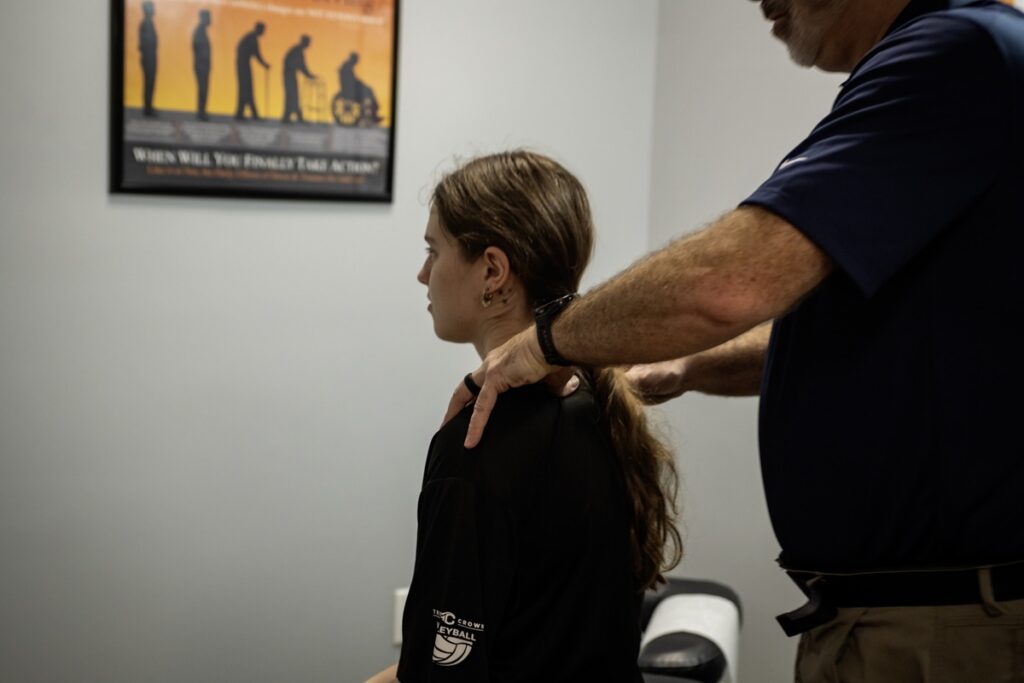
Dr. Christopher Dohnal uses thorough spinal assessments to identify these areas and works to restore proper alignment through specific, gentle chiropractic adjustments.
Degenerative Disc Disease
As we age, the discs between our vertebrae naturally lose some of their water content and flexibility. This process, called degenerative disc disease, can reduce the cushioning between vertebrae and lead to increased stiffness, joint irritation, and pain — particularly in the lower back. It sounds alarming, but it’s a normal part of aging for many people, and its effects can often be managed very effectively with conservative care.
Facet Joint Dysfunction
The facet joints are small joints that run along the back of the spine and help guide your movement. When these joints become inflamed, worn, or irritated — from injury, poor posture, or arthritis — they can produce localized pain that’s often described as a deep, achy discomfort. Facet joint issues are a very common back pain cause in adults over 40.
Sedentary Lifestyle and Poor Posture
Modern life has many of us sitting for hours at a time — at desks, in cars, on couches. Extended periods of sitting place significant pressure on the lumbar discs and can weaken the core muscles that support the spine. Combined with poor posture (rounded shoulders, forward head position, slouching), this creates a perfect environment for back pain to develop. Here in Nashville, many of the patients who visit Dohnal Chiropractic work desk jobs or long commutes, and posture-related strain is extremely common.
Risk Factors That Make Back Pain Worse
Certain habits and conditions can increase your likelihood of developing back pain or make existing pain harder to manage. Understanding these risk factors helps you take a more proactive approach to your spinal health.
Age is a significant factor. After the age of 30 or 40, the spine naturally undergoes changes that can make it more vulnerable to pain and injury. Fitness level also plays a major role — weak core and back muscles offer less support to the spine, making strains and misalignments more likely. Body weight matters too, as carrying excess weight — particularly around the midsection — shifts the center of gravity forward and places added stress on the lumbar spine.
Mental and emotional stress is another factor that often gets overlooked. Research suggests that chronic stress can increase muscle tension throughout the body, particularly in the neck, shoulders, and back. Smoking has also been associated with reduced blood flow to the discs, which may impair healing and accelerate degeneration. If any of these factors apply to you, that’s helpful information — not to discourage you, but to empower you to make targeted changes.
Signs, Symptoms, and What They Might Mean

Not all back pain is the same, and the way your pain presents itself can offer clues about its origin. Dull, constant aching in the lower back is often associated with muscle tension or postural strain. Sharp, stabbing pain that occurs with specific movements may suggest a joint or disc problem. Radiating pain — pain that travels down the buttock, leg, or even into the foot — is a common sign that a nerve is being compressed or irritated, often due to a herniated disc or piriformis syndrome.
Stiffness that’s worst in the morning and improves with movement is frequently linked to joint-related problems or mild degenerative changes. Pain that worsens after prolonged sitting or standing often points to posture, disc pressure, or muscle fatigue. If you’re noticing any numbness, tingling, or weakness in your legs, that warrants prompt evaluation — these symptoms suggest nerve involvement that should be assessed by a qualified provider like Dr. Christopher Dohnal.
How Chiropractic Care Can Help
Chiropractic care takes a non-invasive, drug-free approach to addressing back pain causes at their source. Rather than masking symptoms with medication, chiropractic care focuses on restoring proper spinal alignment, reducing nerve irritation, and improving the function of the surrounding muscles and joints. Major health organizations, including the American College of Physicians, recommend spinal manipulation as a first-line treatment for certain types of acute and chronic low back pain.
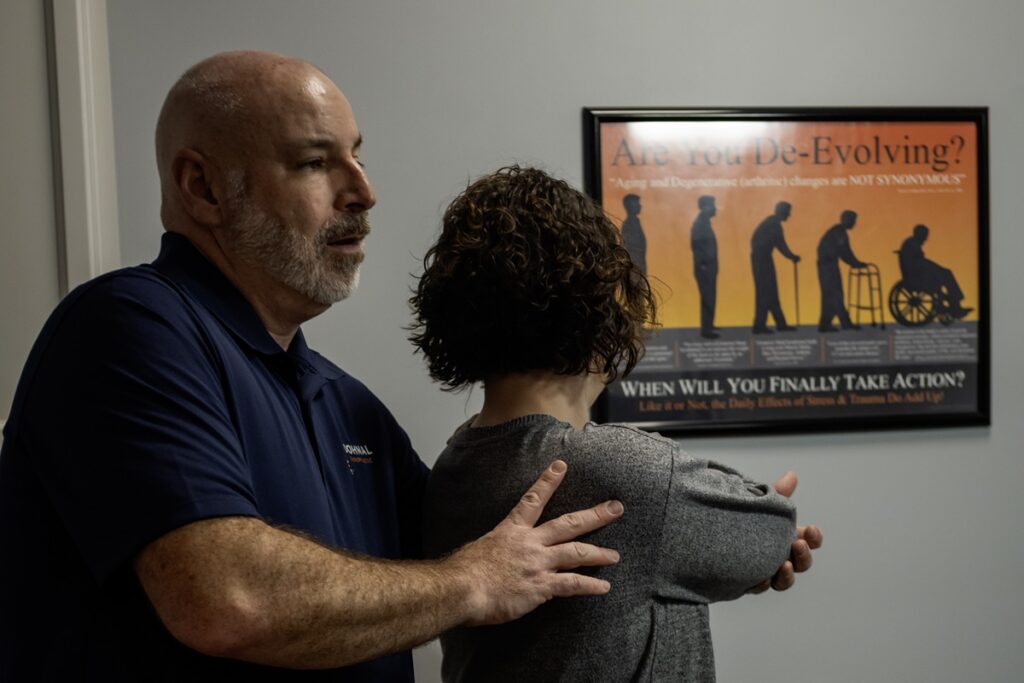
At Dohnal Chiropractic in Nashville, TN, Dr. Christopher Dohnal begins with a thorough evaluation — including a health history, postural assessment, and spinal examination — to identify the specific back pain causes affecting each individual patient. From there, a personalized care plan is developed that may include spinal adjustments, soft tissue work, corrective exercises, and lifestyle recommendations tailored to your needs and goals.
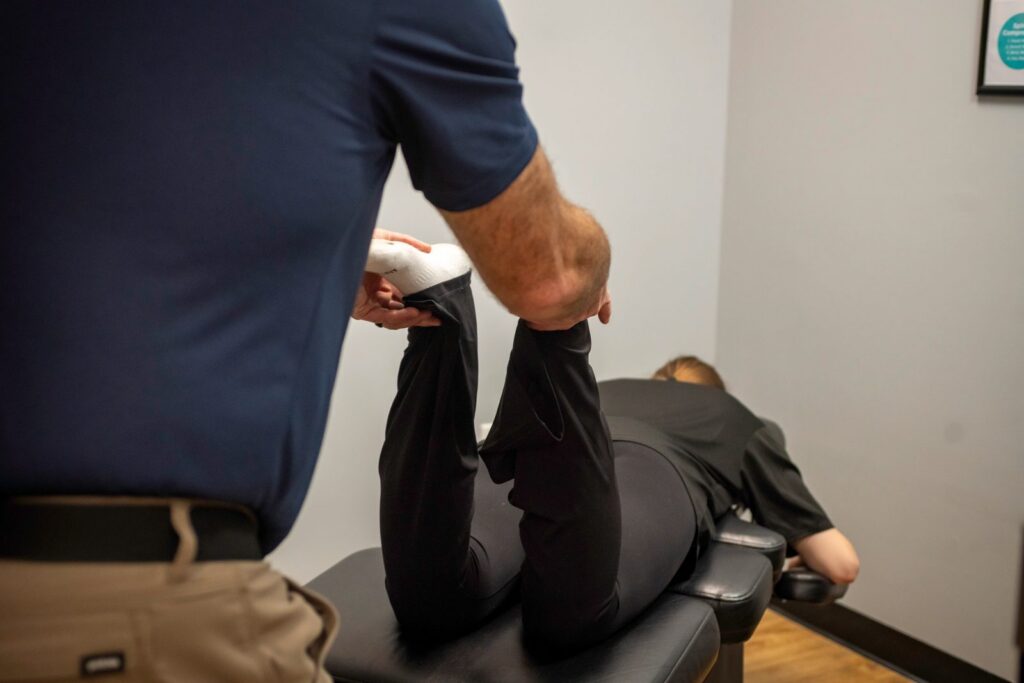
Chiropractic adjustments work by applying controlled, precise forces to specific spinal segments to restore proper alignment and motion. This can reduce pressure on nerves, decrease inflammation in the surrounding tissue, and help the spine function more efficiently overall. Many patients report noticeable improvements in pain, mobility, and quality of life with consistent chiropractic care.
To learn more about how Dr. Christopher Dohnal approaches back pain care, take a moment to watch this short video:
Practical Tips to Support a Healthier Back
While professional care is often necessary to fully address back pain causes, there are meaningful steps you can take at home and at work to support your spinal health every day. These aren’t magic solutions, but they add up significantly over time.
Pay attention to how you sit. If you work at a desk, make sure your chair supports your lower back, your feet are flat on the floor, and your screen is at eye level. Taking short movement breaks every 30 to 45 minutes can prevent the muscle fatigue and disc pressure that comes from prolonged sitting. Even a brief walk around the room or a simple standing stretch makes a real difference.
When lifting anything — even something light — use your legs, not your back. Keep the object close to your body, avoid twisting while lifting, and take your time. Most back injuries happen during moments of inattention and rushed movement.
Staying active in a way that feels good for your body is one of the best long-term investments in your spinal health. Walking, swimming, yoga, and gentle core strengthening are all activities that support the muscles and structures around the spine. If you’re not sure what’s appropriate for your situation, Dr. Christopher Dohnal and the team at Dohnal Chiropractic can help guide you based on your specific condition.
When to See a Chiropractor
Many people wonder how long they should wait before seeking help for back pain. In general, if your pain is mild and came on after a clear activity (like a workout or a day of moving furniture), it’s reasonable to rest, apply ice or heat, and see if it improves within a few days. However, if the pain is not improving after 72 hours, is interfering with your sleep or daily activities, or is getting progressively worse, it’s time to get evaluated.
Chiropractic care is particularly well-suited for back pain that involves muscle tension, joint restriction, spinal misalignment, or mild disc-related issues. The Nashville community has trusted Dohnal Chiropractic for conservative, personalized care that treats the whole person — not just the symptom.
There are also certain red flags that indicate back pain should be evaluated by a medical doctor as soon as possible. These include pain following a significant trauma (such as a car accident or fall), loss of bladder or bowel control, severe progressive weakness in the legs, unexplained weight loss alongside back pain, or pain that is constant and does not change with position. These symptoms may indicate something more serious that requires immediate medical attention. Dr. Christopher Dohnal will always refer patients to the appropriate provider when the situation calls for it — your health and safety come first.
Back Pain Cause | Common Symptoms | Typical Triggers | Chiropractic Relevance |
|---|---|---|---|
Muscle/Ligament Strain | Dull ache, stiffness, soreness | Overexertion, improper lifting | High — soft tissue and adjustment work |
Herniated Disc | Sharp or radiating pain, numbness | Repetitive stress, heavy lifting | Moderate — conservative care often effective |
Spinal Misalignment | Localized pain, reduced range of motion | Poor posture, old injuries, stress | High — primary focus of chiropractic care |
Facet Joint Dysfunction | Deep aching, worse with extension | Arthritis, poor posture, aging | High — joint mobilization is very effective |
Degenerative Disc Disease | Morning stiffness, chronic low-grade pain | Aging, genetics, sedentary lifestyle | Moderate — supportive and maintenance care |
Postural Strain | Fatigue, tension, aching after sitting | Desk work, long commutes, poor ergonomics | High — postural correction is a core focus |
Myths vs. Facts About Back Pain
Myth: Rest is always the best treatment for back pain.
Fact: Extended bed rest is generally not recommended for most types of back pain. Evidence indicates that gentle movement, staying active within your comfort level, and conservative care tend to produce better outcomes than prolonged rest. Complete inactivity can actually weaken the supporting muscles and slow recovery.
Myth: Back pain always means something is seriously wrong with your spine.
Fact: The vast majority of back pain episodes are not caused by serious structural damage. Most cases involve muscle tension, joint irritation, or postural strain — all of which respond well to conservative care. Back pain is extremely common and often very manageable with the right approach.
Myth: If you have back pain, surgery is probably in your future.
Fact: Most people with back pain — even those with disc herniations or degenerative changes — do not require surgery. Major health organizations consistently recommend exhausting conservative options first, including chiropractic care, physical therapy, and exercise. Surgery is typically reserved for cases where serious nerve damage is present or conservative care has not provided adequate relief.
Myth: Chiropractic adjustments are dangerous or can make your back worse.
Fact: When performed by a licensed and trained chiropractor, spinal adjustments are considered safe and evidence-based for appropriate patients. Serious adverse events are rare. Dr. Christopher Dohnal performs thorough evaluations before beginning any care to ensure that chiropractic treatment is appropriate for each individual patient.
Myth: Back pain is just a normal part of aging that you have to live with.
Fact: While some degree of spinal change is a natural part of aging, chronic pain is not something you simply have to accept. Many people in their 50s, 60s, 70s, and beyond find meaningful relief through chiropractic care, exercise, and lifestyle modifications. Age doesn’t disqualify you from feeling better.
Final Thoughts from Dohnal Chiropractic
Back pain can feel overwhelming — especially when you don’t understand where it’s coming from. But here’s the encouraging truth: most back pain causes are identifiable, treatable, and manageable with the right support. You don’t have to just push through the pain or assume it will eventually go away on its own.
At Dohnal Chiropractic in Nashville, TN, Dr. Christopher Dohnal is committed to helping members of this community understand their bodies better and find real, lasting relief. The approach here is thorough, personal, and always centered on what’s best for you as an individual. If you’ve been living with back pain — whether it started recently or has been dragging on for months — this is a great time to reach out and take that first step toward understanding what’s really going on.
Nashville deserves a chiropractor who listens, who educates, and who genuinely cares. That’s exactly what you’ll find at Dohnal Chiropractic. We’d love the opportunity to help you move better, feel better, and live better — right here in our community.
Frequently Asked Questions
What are the most common back pain causes in adults?
The most common causes include muscle and ligament strain, spinal misalignment, herniated discs, facet joint dysfunction, and postural strain from prolonged sitting. In many cases, back pain results from a combination of these factors rather than a single cause.
Can a chiropractor help with lower back pain?
Yes. Chiropractic care is widely recognized as an effective, non-invasive option for many types of lower back pain. The American College of Physicians includes spinal manipulation as a recommended first-line treatment for acute and chronic low back pain in appropriate patients.
How long does back pain typically last?
Acute back pain from a strain or minor injury often resolves within a few days to a few weeks with proper care. Chronic back pain — defined as pain lasting longer than 12 weeks — benefits greatly from professional evaluation and a structured treatment plan.
Is it safe to exercise with back pain?
In many cases, gentle movement is encouraged during recovery, but the type and intensity of exercise should be guided by a healthcare provider. Dr. Christopher Dohnal can help determine what movements are safe and beneficial based on your specific condition.
How do I know if my back pain is a nerve problem?
Signs of nerve involvement include pain that radiates down the leg or arm, tingling, numbness, or weakness in the extremities. If you’re experiencing any of these symptoms, it’s important to get evaluated promptly rather than waiting to see if they resolve on their own.
What’s the difference between a chiropractor and a physical therapist for back pain?
Both chiropractors and physical therapists are qualified conservative care providers, but their approaches differ. Chiropractors specialize in spinal assessment, spinal manipulation, and nervous system function, while physical therapists focus primarily on rehabilitation exercises and movement retraining. In many cases, the two approaches can complement each other well.
TL;DR Summary
Back pain has many potential causes, including muscle strain, disc problems, spinal misalignment, facet joint dysfunction, and poor posture — and often involves a combination of factors.
Risk factors like a sedentary lifestyle, poor ergonomics, stress, and age can increase your likelihood of developing or worsening back pain.
Chiropractic care offers a safe, non-invasive approach to addressing back pain causes at their source through spinal adjustments, postural correction, and personalized care plans.
Most back pain does not require surgery and responds well to conservative care — but early evaluation is key to preventing short-term pain from becoming chronic.
If you’re in the Nashville, TN area and dealing with back pain, Dr. Christopher Dohnal at Dohnal Chiropractic is here to help you understand your condition and find a path toward lasting relief.