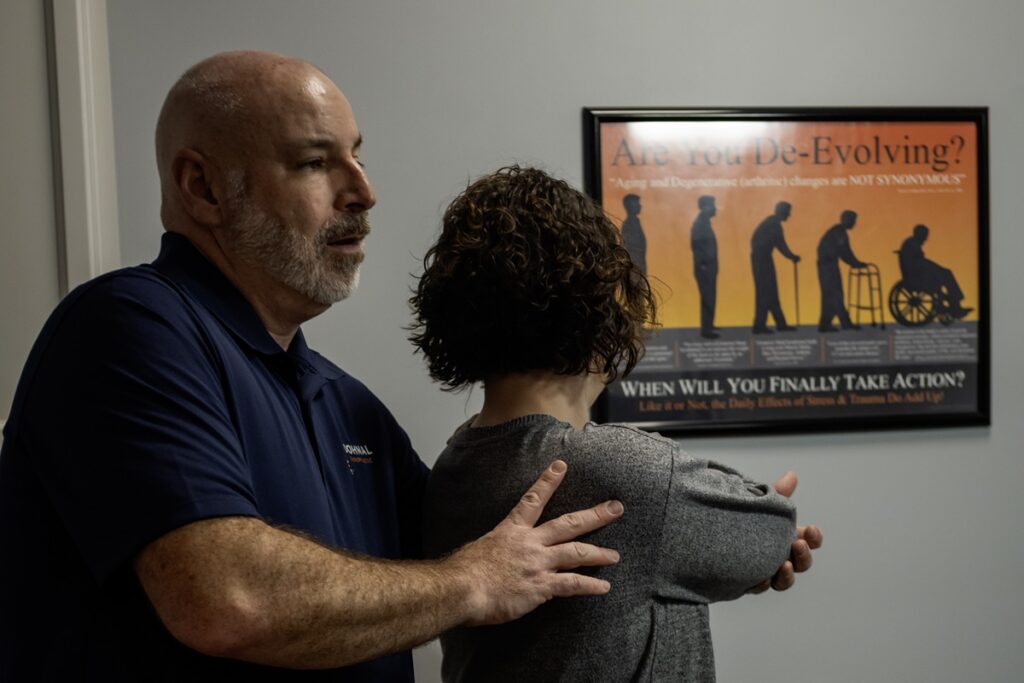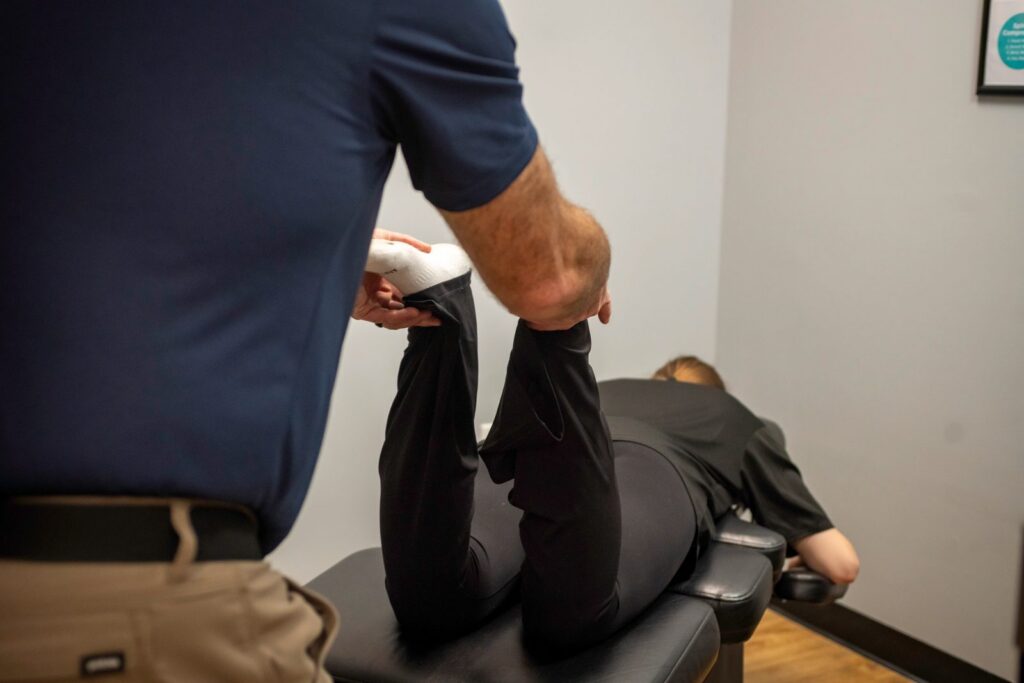
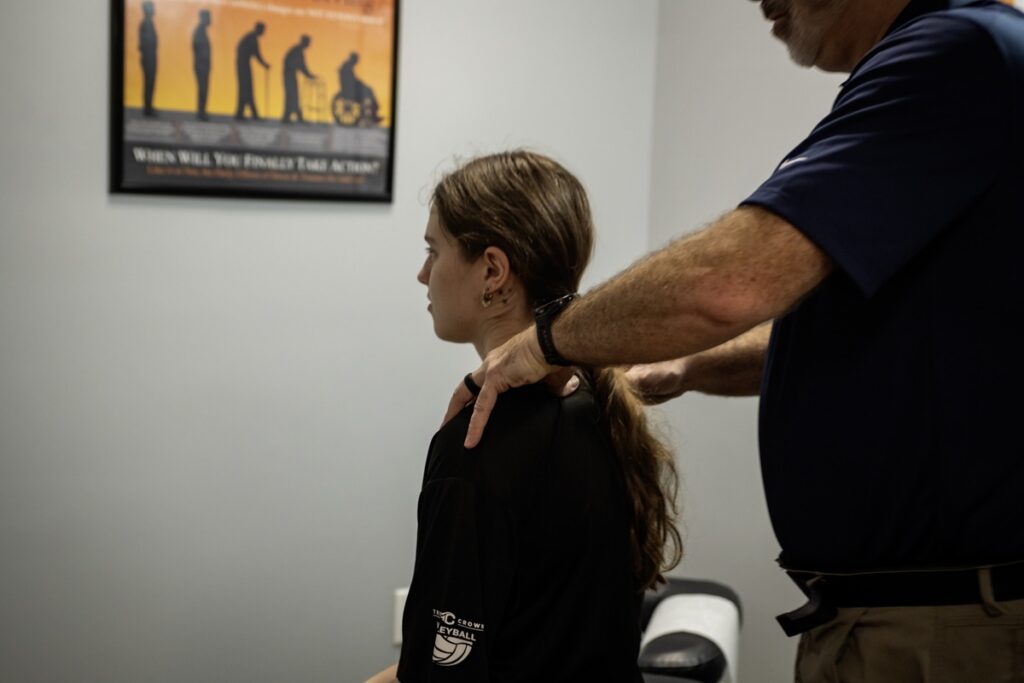

Back pain is one of the most common complaints we hear at Dohnal Chiropractic here in Nashville, TN — and in many cases, poor posture is quietly playing a major role. Whether you spend your days behind a desk, driving long commutes, or constantly looking down at your phone, the way you hold your body has a profound effect on your spinal health. The good news is that understanding the connection between posture and back pain is one of the most empowering steps you can take toward a healthier, more comfortable life.
What Is the Connection Between Posture and Back Pain?
Posture refers to the position in which your body holds itself while standing, sitting, or moving. When posture is consistently misaligned, it places uneven stress on your spine, muscles, and joints — often leading to chronic back pain, stiffness, and reduced mobility. Chiropractic care, particularly spinal adjustments and postural correction strategies, can play a meaningful role in helping patients address these issues naturally and without medication.
What Is Posture and Why Does It Matter?
Most people think of posture as simply “sitting up straight,” but it’s actually much more than that. Posture is the dynamic relationship between your body’s position and the force of gravity acting on it at any given moment. Good posture means your spine maintains its natural curves — a gentle inward curve at the neck (cervical lordosis), a slight outward curve at the mid-back (thoracic kyphosis), and another inward curve at the low back (lumbar lordosis). These curves work together to distribute the mechanical load of your body weight efficiently and safely.
When these curves are maintained properly, your muscles, ligaments, and joints experience balanced, minimal stress. But when the curves are exaggerated or flattened — as happens with slouching, forward head posture, or prolonged sitting — the body has to work much harder to compensate. Over time, that extra effort leads to muscle fatigue, joint irritation, and eventually, the kind of back pain that brings patients into our office here in Nashville, TN.
Posture also affects more than just your back. It influences how deeply you can breathe, how well your digestive system functions, and even your energy levels and mood. A well-aligned spine supports the entire nervous system, which coordinates virtually every function in your body. This is one of the core reasons Dr. Christopher Dohnal places such emphasis on postural education as part of comprehensive chiropractic care.
How Poor Posture Causes Back Pain
The spine is a beautifully engineered structure, but it has its limits. When poor posture becomes a daily habit, several things begin to happen beneath the surface. First, the muscles on one side of your spine become chronically shortened and tight, while the muscles on the opposing side become overstretched and weak. This imbalance pulls the vertebrae — the individual bones of the spine — out of their ideal alignment.
Misaligned vertebrae can compress the intervertebral discs, the gel-filled cushions that sit between each vertebra and absorb shock. Over time, this compression can contribute to disc bulges, herniation, or simply degenerative wear and tear. The facet joints, small joints at the back of each vertebra, can also become irritated and inflamed when the spine is chronically misaligned. All of these changes can trigger nerve sensitivity and pain signals that radiate into the back, hips, and even down the legs.
Forward head posture — where the head juts forward relative to the shoulders — is a particularly common culprit here in Nashville. For every inch your head moves forward from its neutral position, the effective weight on your cervical spine increases significantly. What should feel like a manageable load on your neck suddenly feels much heavier to your muscles and joints, creating strain that eventually travels down into the upper and lower back.
Prolonged sitting is another major driver of postural back pain. Research suggests that sitting for extended periods, especially without proper lumbar support, flattens the natural lumbar curve and places increased pressure on the lower spinal discs. The hip flexor muscles shorten, the glutes become underactivated, and the result is a lower back that’s perpetually stressed even when you finally stand up.
Common Postural Problems We See in Nashville
At Dohnal Chiropractic, we work with patients from all walks of life — healthcare workers on their feet all day, office professionals glued to their screens, teachers, drivers, students, and active athletes. Despite their very different lifestyles, many of them share strikingly similar postural patterns.
Forward head posture and rounded shoulders are perhaps the most frequently observed issues, driven largely by computer use and smartphone habits. Text neck — a term for the strain caused by looking down at a phone for long periods — is increasingly common even among younger patients. Anterior pelvic tilt, where the pelvis tips forward and the lower back arches excessively, is often seen in people who sit for hours each day. And lateral postural imbalances, where one shoulder or hip sits higher than the other, can develop from carrying bags on one side or from repetitive asymmetrical movement patterns.
Each of these postural presentations creates its own pattern of muscle tension, joint restriction, and spinal stress. Identifying which postural pattern is driving a patient’s back pain is an essential first step in developing a care plan that actually addresses the root cause rather than just managing symptoms.
How Chiropractic Care Addresses Posture and Back Pain
Chiropractic care offers a non-invasive, drug-free approach to both preventing and treating posture-related back pain. At Dohnal Chiropractic, Dr. Christopher Dohnal begins with a thorough evaluation of each patient’s posture, spinal alignment, range of motion, and areas of tension or tenderness. This assessment helps pinpoint exactly where misalignments — known in chiropractic as subluxations — exist and how they may be contributing to pain and dysfunction.
Spinal adjustments are a central component of chiropractic care for posture-related back pain. A chiropractic adjustment involves the precise, controlled application of force to a specific spinal joint to restore its proper alignment and movement. When joints are stuck or restricted, the surrounding muscles tend to guard and tighten, perpetuating poor posture. Restoring normal joint motion often helps release that muscle tension and allows the body to return toward a more balanced alignment.
Beyond spinal adjustments, Dr. Christopher Dohnal may incorporate soft tissue work, myofascial release techniques, therapeutic exercises, and detailed postural coaching into a patient’s care plan. The goal is not just to reduce pain in the short term, but to help patients understand their own postural habits and build the strength and awareness needed to maintain better alignment in everyday life.
Evidence from organizations like the American Chiropractic Association and research published in the Spine Journal indicates that chiropractic care can be an effective component of conservative management for mechanical back pain. As with any healthcare approach, individual results vary, and chiropractic care works best when combined with patient engagement and lifestyle habits that support spinal health.
Practical Tips for Better Posture Every Day
One of the most empowering aspects of addressing posture-related back pain is that small, consistent changes in daily habits can make a meaningful difference over time. You don’t need to overhaul your entire life — but a few mindful adjustments to how you sit, stand, and move can significantly reduce the stress on your spine.
When sitting at a desk, make sure your feet are flat on the floor, your knees are at roughly a 90-degree angle, and your lower back has proper lumbar support. Your computer screen should be at or just below eye level to prevent forward head posture. Avoid crossing your legs for extended periods, as this can create pelvic imbalance over time.
Taking movement breaks is just as important as your seated posture. Standing up, walking for a few minutes, and doing a few gentle stretches every 30 to 45 minutes allows your spinal discs to rehydrate and your muscles to reset. Setting a reminder on your phone or computer can help make this a consistent habit rather than an afterthought.
Sleeping posture also deserves attention. Sleeping on your side with a pillow between your knees, or on your back with a pillow under your knees, helps maintain spinal alignment through the night. Sleeping on your stomach, on the other hand, tends to strain the neck and lower back and is generally worth avoiding if you’re dealing with back pain.
Strengthening your core muscles — the deep stabilizing muscles around your spine and pelvis — is another foundational element of good posture. You don’t need to do intense exercise to benefit from this. Gentle, consistent movements that engage the deep abdominals and back extensors help your spine stay supported throughout the day. Dr. Christopher Dohnal can provide personalized guidance on which movements are appropriate based on your specific postural needs and condition.
When to See a Chiropractor for Back Pain
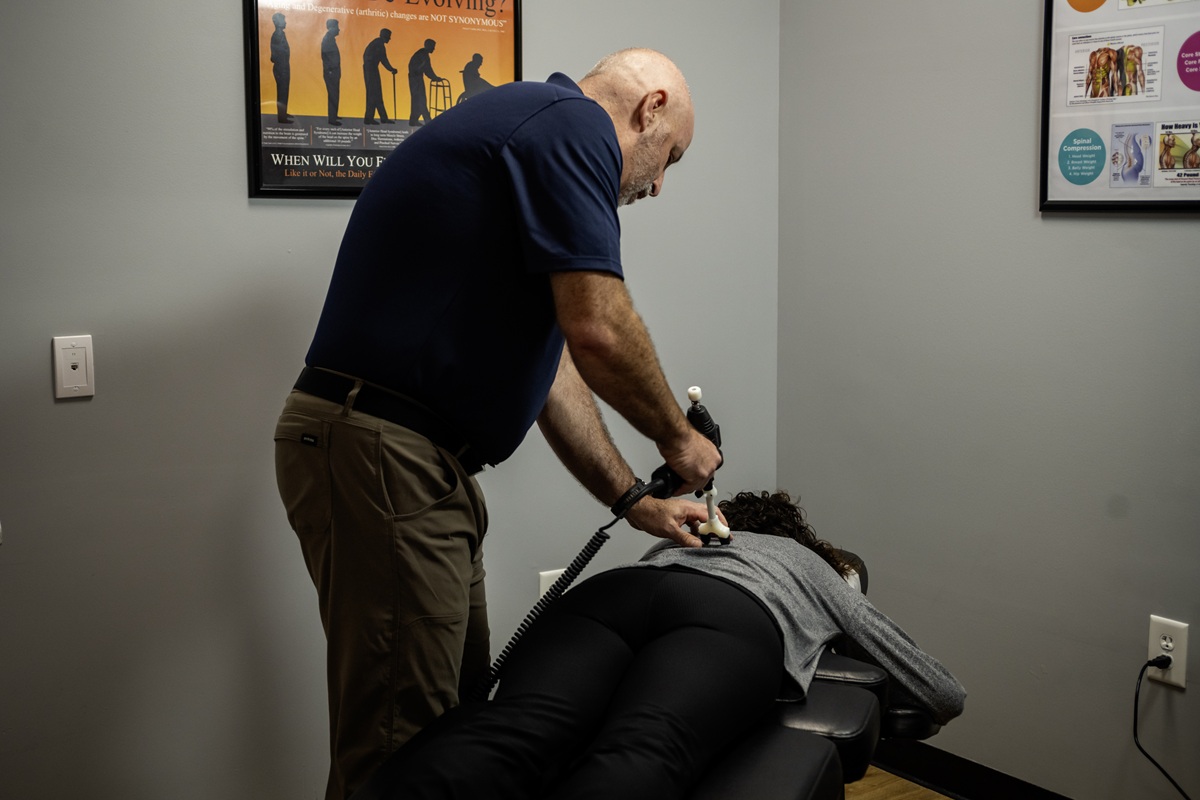
If you’ve been noticing persistent back pain, stiffness in the morning, or discomfort that seems to flare up after long periods of sitting or standing, it may be a good time to schedule a chiropractic evaluation. You don’t have to wait until pain becomes unbearable to seek care. In fact, addressing postural issues earlier tends to lead to faster and more lasting improvement than waiting until problems become severe.
Many patients in Nashville come to Dohnal Chiropractic after weeks or months of managing discomfort on their own, only to find that a few targeted adjustments and some postural guidance provide the relief they’d been searching for. Early intervention is always worthwhile.
However, it’s also important to recognize certain warning signs that require immediate medical attention rather than chiropractic care alone. These red flags include back pain accompanied by loss of bladder or bowel control, numbness in the groin or inner thigh area, severe pain following a traumatic injury, unexplained weight loss alongside back pain, or pain that is constant and does not change with any position. These symptoms warrant prompt evaluation by a medical physician to rule out serious underlying conditions. A good chiropractor will always refer patients appropriately when the situation calls for it.
Postural Mistake |
What’s Happening in Your Spine |
Better Alternative |
|---|---|---|
|
Slouching in a chair |
Flattens lumbar curve, increases disc pressure |
Sit with lumbar support and feet flat on the floor |
|
Forward head posture (phone/screen) |
Multiplies effective neck load, strains upper back |
Raise screen to eye level, tuck chin gently |
|
Crossing legs while seated |
Creates pelvic tilt and hip imbalance |
Keep both feet flat, knees at 90 degrees |
|
Sleeping on your stomach |
Rotates neck maximally, stresses lumbar spine |
Sleep on side with pillow between knees |
|
Carrying a bag on one shoulder |
Elevates one shoulder, creates lateral spinal imbalance |
Use a backpack or alternate shoulders frequently |
Myths vs. Facts About Posture and Back Pain
Myth: Back pain is just a normal part of getting older.
Fact: While age-related changes in the spine do occur, chronic back pain is not an inevitable outcome of aging. Many older adults maintain excellent spinal health through good posture habits, regular movement, and appropriate care. Age alone doesn’t determine your level of pain or function — your daily habits and how well your spine is supported play a far greater role.
Myth: If you have back pain, you should rest and avoid movement.
Fact: Prolonged rest is generally not recommended for mechanical back pain. Current evidence from organizations like the National Institute for Health and Care Excellence (NICE) supports staying gently active and continuing with daily activities as much as possible. Movement helps maintain circulation, muscle tone, and disc health. Complete bed rest can actually slow recovery.
Myth: Perfect posture means sitting rigidly upright at all times.
Fact: Good posture is not about being stiff or holding one perfect position indefinitely. In fact, no single static position is ideal for long periods. The goal is to maintain natural spinal curves while also moving regularly and varying your position throughout the day. Movement is just as important as alignment.
Myth: Chiropractic adjustments are dangerous or can make back pain worse.
Fact: Chiropractic adjustments are widely recognized as one of the safest forms of care for mechanical back pain when performed by a licensed and trained chiropractor. Serious adverse events are extremely rare. Dr. Christopher Dohnal conducts a thorough evaluation before recommending any treatment to ensure care is safe and appropriate for each individual patient.
Myth: Once your back starts hurting, there’s nothing you can do except manage the pain.
Fact: Many patients experience meaningful improvement in back pain through conservative care approaches that include chiropractic adjustments, postural correction, therapeutic exercise, and lifestyle modifications. Addressing the underlying postural and mechanical causes of back pain — rather than just masking the pain — offers a much more promising long-term outlook.
Final Thoughts from Dohnal Chiropractic
Here at Dohnal Chiropractic in Nashville, TN, we genuinely believe that understanding your own body is one of the most valuable things you can do for your long-term health. Back pain — especially when it’s driven by posture — doesn’t have to be a permanent companion. With the right evaluation, the right care, and some practical adjustments to your daily habits, real and lasting improvement is absolutely achievable.
Dr. Christopher Dohnal is committed to helping Nashville residents find relief from back pain through personalized, evidence-informed chiropractic care that treats the whole person, not just the symptom. Whether you’re dealing with a new ache or something that’s been bothering you for years, we encourage you to come in for an evaluation. You deserve to feel good in your body — and we’re here to help you get there.
If you’re in the Nashville area and looking for a trusted chiropractor near you who genuinely takes the time to understand your posture, your lifestyle, and your goals, Dohnal Chiropractic is ready to be your partner in spinal health.
Frequently Asked Questions
Can poor posture alone cause serious back pain?
Yes, consistently poor posture is one of the most common mechanical contributors to back pain. Over time, misaligned posture places excessive stress on spinal discs, joints, and muscles, which can lead to significant discomfort and dysfunction. The good news is that postural-related back pain is often very responsive to chiropractic care and lifestyle changes.
How long does it take to correct posture with chiropractic care?
The timeline for postural improvement varies depending on how long the problem has been present, the severity of spinal misalignment, and how consistently a patient engages with recommended habits and exercises. Some patients notice meaningful changes within a few weeks, while others with longstanding postural issues may benefit from a longer course of care. Dr. Christopher Dohnal will discuss realistic expectations during your initial evaluation.
Is chiropractic care appropriate for both upper and lower back pain?
Yes, chiropractic care addresses the spine as a whole system. Dr. Christopher Dohnal evaluates and treats both upper back (thoracic and cervical) and lower back (lumbar) concerns, as well as the relationships between them. Postural problems in the neck and upper back frequently contribute to lower back symptoms, and vice versa.
What should I expect at my first chiropractic appointment at Dohnal Chiropractic?
Your first visit will typically include a thorough health history review, a postural and spinal assessment, and a discussion of your symptoms, lifestyle, and goals. Based on this evaluation, Dr. Christopher Dohnal will develop a personalized care plan tailored to your specific needs. You’ll leave with a clear understanding of what’s contributing to your back pain and what steps can help.
Can children and teenagers benefit from chiropractic care for posture?
Yes, postural habits — both good and bad — begin forming early in life. With the prevalence of heavy school backpacks and extended screen time among younger patients, postural concerns are increasingly common in children and teens. Chiropractic care for younger patients is gentle and age-appropriate, and early intervention can help establish better spinal habits before problems become entrenched.
Are there exercises I can do at home to support better posture between appointments?
Absolutely. Gentle strengthening exercises for the core and back extensors, along with targeted stretches for tight hip flexors and chest muscles, can meaningfully support postural improvement between chiropractic visits. Dr. Christopher Dohnal can recommend specific exercises based on your individual postural assessment so that your at-home efforts complement your in-office care.
TL;DR Summary
-
Poor posture is one of the leading mechanical contributors to back pain, creating muscle imbalances, joint stress, and spinal misalignment over time.
-
Common postural problems — including forward head posture, rounded shoulders, and anterior pelvic tilt — are highly prevalent among Nashville residents due to desk work, screen use, and extended sitting.
-
Chiropractic care at Dohnal Chiropractic includes spinal adjustments, soft tissue care, and postural coaching to address the root causes of back pain rather than just the symptoms.
-
Simple daily habits — like ergonomic desk setup, regular movement breaks, and core strengthening — can significantly reduce postural strain on your spine.
-
If back pain is affecting your quality of life, a chiropractic evaluation with Dr. Christopher Dohnal in Nashville, TN is a safe, non-invasive first step toward lasting relief.