Sciatica in Nashville: What to Know About Relief
If you’ve been dealing with sharp, shooting pain that travels from your lower back down through your leg, you already know how disruptive it can be. Simple things like getting out of bed, sitting through a work meeting, or walking to the car can feel like genuine challenges. Sciatica in Nashville is something we see frequently at Dohnal Chiropractic, and the good news is that most people don’t have to live with this kind of pain long-term. Understanding what sciatica actually is, what causes it, and how conservative care can help is a powerful first step toward feeling better.
What is sciatica? Sciatica refers to pain that radiates along the path of the sciatic nerve, the longest nerve in the body, which runs from the lower back through the hips and buttocks and down each leg. It’s not a diagnosis in itself, but rather a symptom of an underlying issue affecting the nerve.
- Understanding Sciatica: The Basics
- Common Causes of Sciatic Nerve Pain
- Signs and Symptoms to Watch For
- How Chiropractic Care Can Help with Sciatica in Nashville
- Practical Tips for Managing Sciatica at Home
- When to See a Chiropractor for Sciatica
- Myths vs. Facts About Sciatica
- Final Thoughts from Dohnal Chiropractic in Nashville
- Frequently Asked Questions About Sciatica
- TL;DR Summary
Understanding Sciatica: The Basics
The sciatic nerve originates from nerve roots in the lumbar spine, specifically the lower lumbar and upper sacral segments, and branches down through the buttocks and into each leg, all the way to the feet. When something compresses or irritates one of these nerve roots, pain, tingling, numbness, or weakness can radiate down the entire length of the nerve. That’s what most people experience as sciatica.
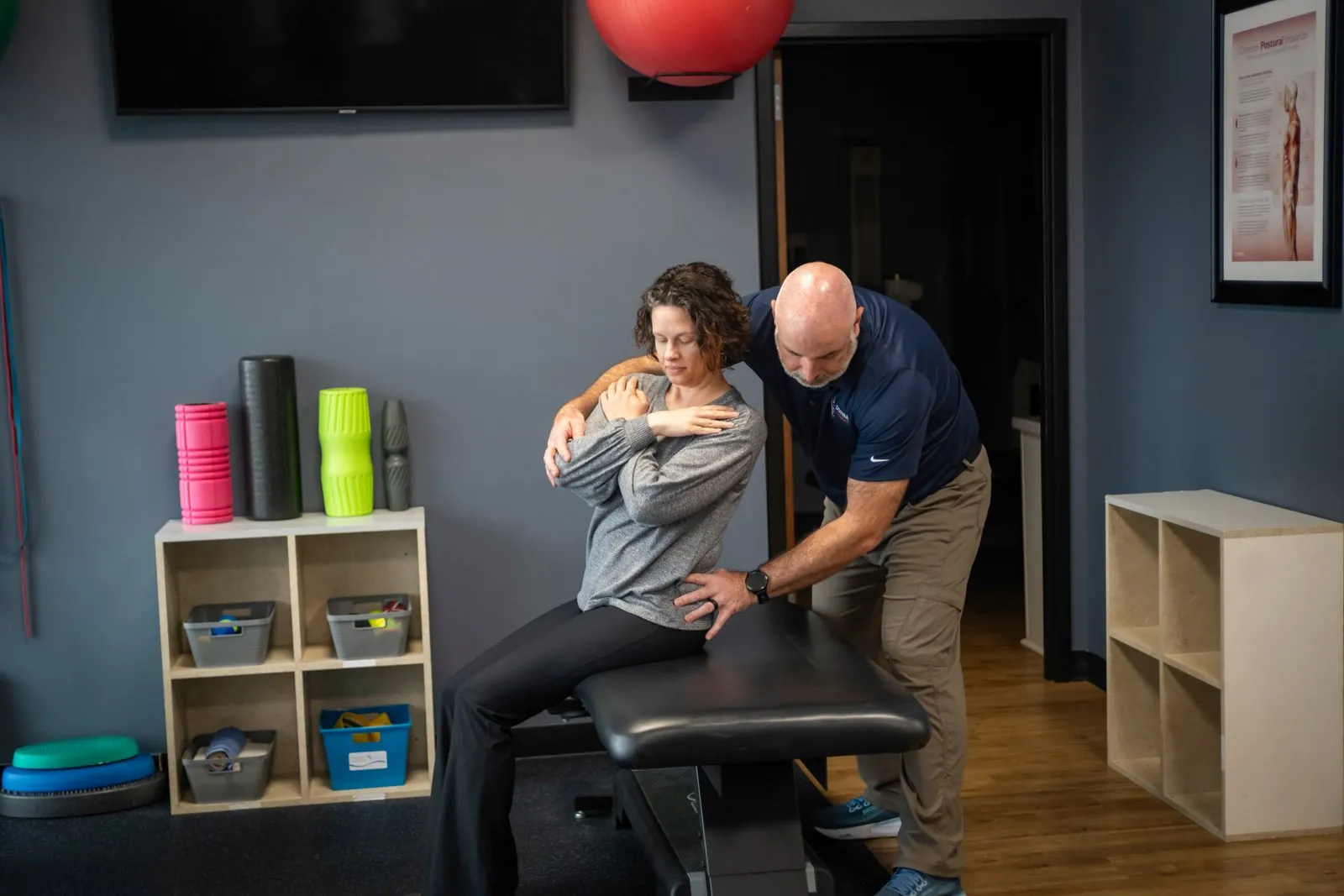
It’s worth pointing out that true sciatica involves this radiating pattern. A lot of patients come in describing low back pain and assume it’s sciatica, but the defining characteristic is that the discomfort travels, often from the lower back into the glutes and down one leg. If you’re experiencing that kind of traveling pain, you can learn more about what’s happening and what your options are by visiting our dedicated sciatica treatment page.
Sciatica is very common. It can affect people of all ages and activity levels, though it tends to be more prevalent in adults between their 30s and 50s. Here in Nashville, we see it in desk workers, musicians who spend long hours performing, active athletes, and everyone in between. The underlying cause matters a great deal, because it shapes the most effective path to relief.
Common Causes of Sciatic Nerve Pain
Sciatica doesn’t appear out of nowhere. It’s almost always the result of an anatomical issue that places pressure on the sciatic nerve or its contributing nerve roots. Understanding the root cause is essential, and it’s one of the first things Dr. Christopher Dohnal evaluates during an initial visit at Dohnal Chiropractic.
One of the most frequent causes is a herniated or bulging disc. The discs that cushion your vertebrae can shift out of place over time (especially with repetitive strain, poor posture, or a sudden injury) and press directly against a nerve root. If you’ve been told you may have a disc issue, our article on what causes a herniated disc and how to find relief can give you more context.
Lumbar spinal stenosis is another common culprit. This is a narrowing of the spinal canal in the lower back that can put pressure on the nerves passing through it. It tends to appear more in older adults and can cause symptoms similar to sciatica, often worsened by standing or walking for extended periods.
Piriformis syndrome is sometimes overlooked but worth mentioning. The piriformis is a small muscle in the buttocks, and when it tightens or goes into spasm, it can irritate the sciatic nerve that runs beneath (or in some people, directly through) it. Degenerative disc disease, spondylolisthesis (where one vertebra slips over another), and even pregnancy can also trigger sciatic symptoms. You can explore more about what causes sciatica and how to find relief in detail on our blog.
Signs and Symptoms to Watch For
Sciatica has some fairly recognizable characteristics, though it can look different from person to person. The most classic sign is pain that travels from the lower back or buttock down the back of the leg, sometimes reaching the calf or foot. Many patients describe it as sharp, burning, or electric in quality. Others experience a deep, aching pressure.
Beyond pain, sciatica can also cause numbness or tingling along the nerve’s path, and in more significant cases, muscle weakness in the leg or foot. Some people notice their symptoms are worse when sitting for long periods, which makes sense given the extra pressure that sitting places on the lumbar discs and nerve roots.
It’s also common for sciatica to affect just one side of the body at a time, since the sciatic nerve runs separately down each leg. Bilateral sciatica, pain on both sides, is less common and typically warrants prompt medical attention. If your symptoms are severe, rapidly worsening, or accompanied by loss of bladder or bowel control, please seek emergency care immediately. For most people, though, sciatica is a manageable condition that responds well to conservative treatment approaches.
How Chiropractic Care Can Help with Sciatica in Nashville
Chiropractic care is widely recognized as a first-line conservative option for managing sciatica. The American College of Physicians, for example, recommends non-pharmacological approaches as the preferred initial treatment for low back pain and related conditions. Chiropractic fits squarely within that category.
At Dohnal Chiropractic in Nashville, Dr. Christopher Dohnal takes a thorough, individualized approach to sciatica care. That starts with understanding the source of nerve irritation, because not every sciatica case is the same, and not every technique is appropriate for every patient. A careful evaluation helps determine which approach will be most helpful.
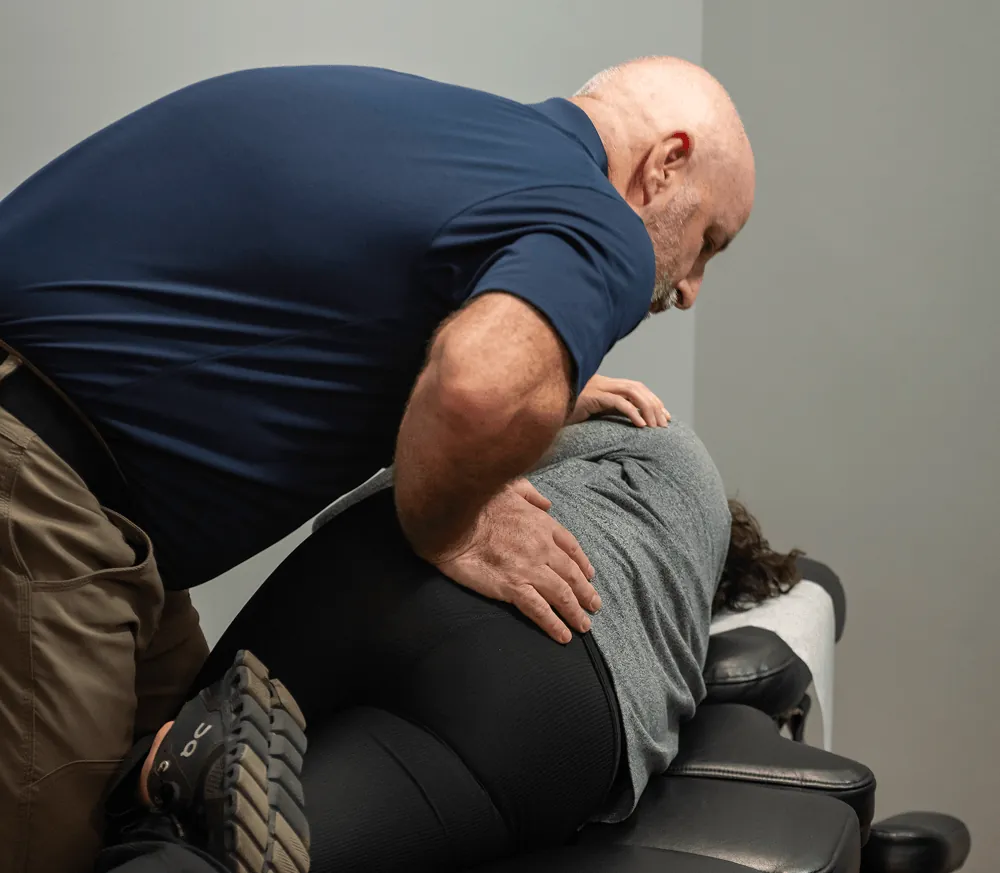
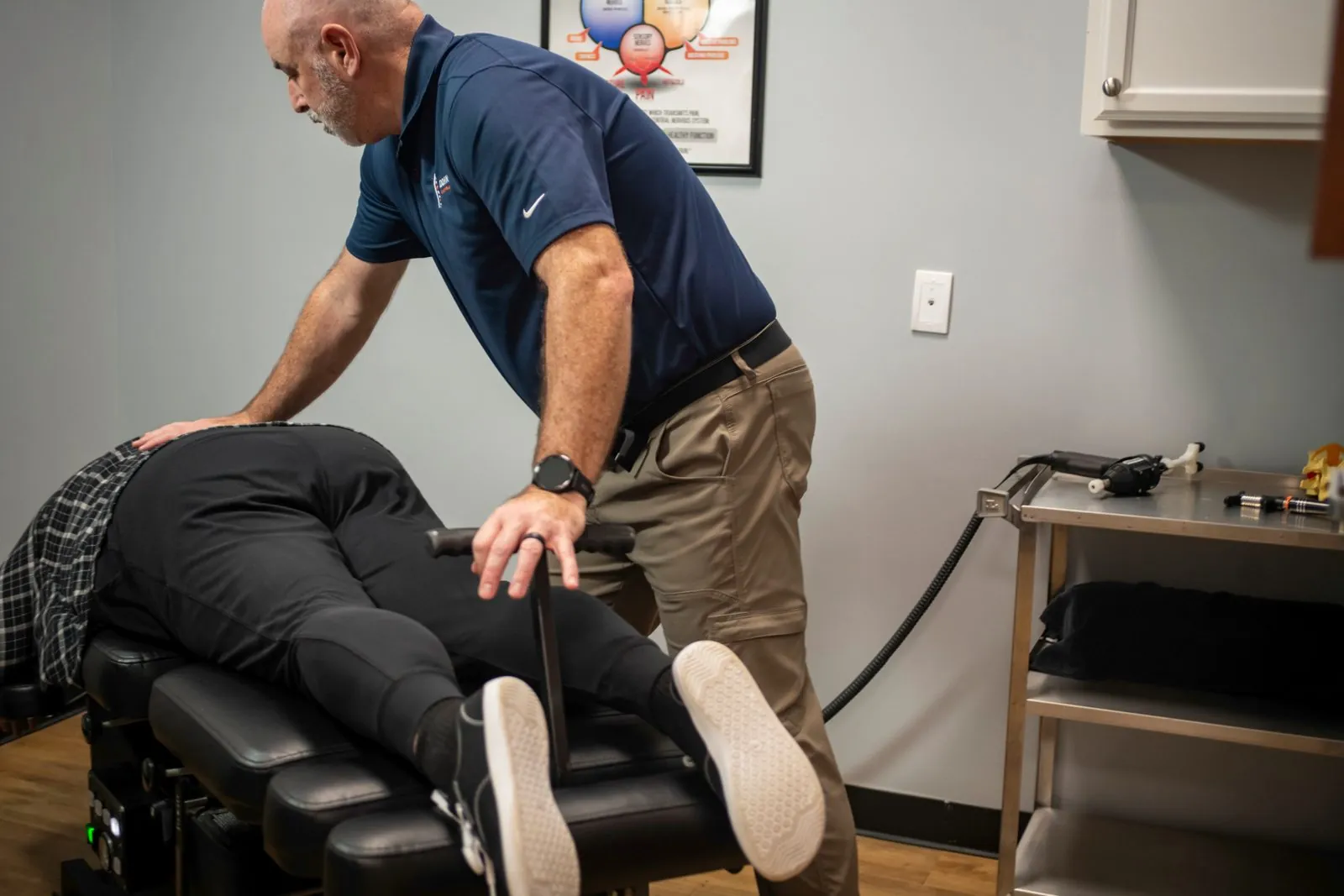
Chiropractic adjustments are often at the core of sciatica care. By restoring proper alignment and motion to the spinal joints, adjustments can help reduce mechanical pressure on the affected nerve root. Research suggests spinal manipulation may help decrease pain intensity and improve function in patients with acute sciatica, particularly when the cause is disc-related or joint dysfunction. To understand more about how this process works, our article on the role of chiropractic adjustments in alleviating sciatic pain is a great resource.
For cases involving significant disc involvement, spinal decompression therapy may also be a valuable option. This non-surgical technique gently stretches the spine to create negative pressure within the disc, which can help reduce disc bulging and take pressure off the sciatic nerve. If you’re curious whether this approach might be right for your situation, we’ve put together a helpful guide on what patients should know about spinal decompression.
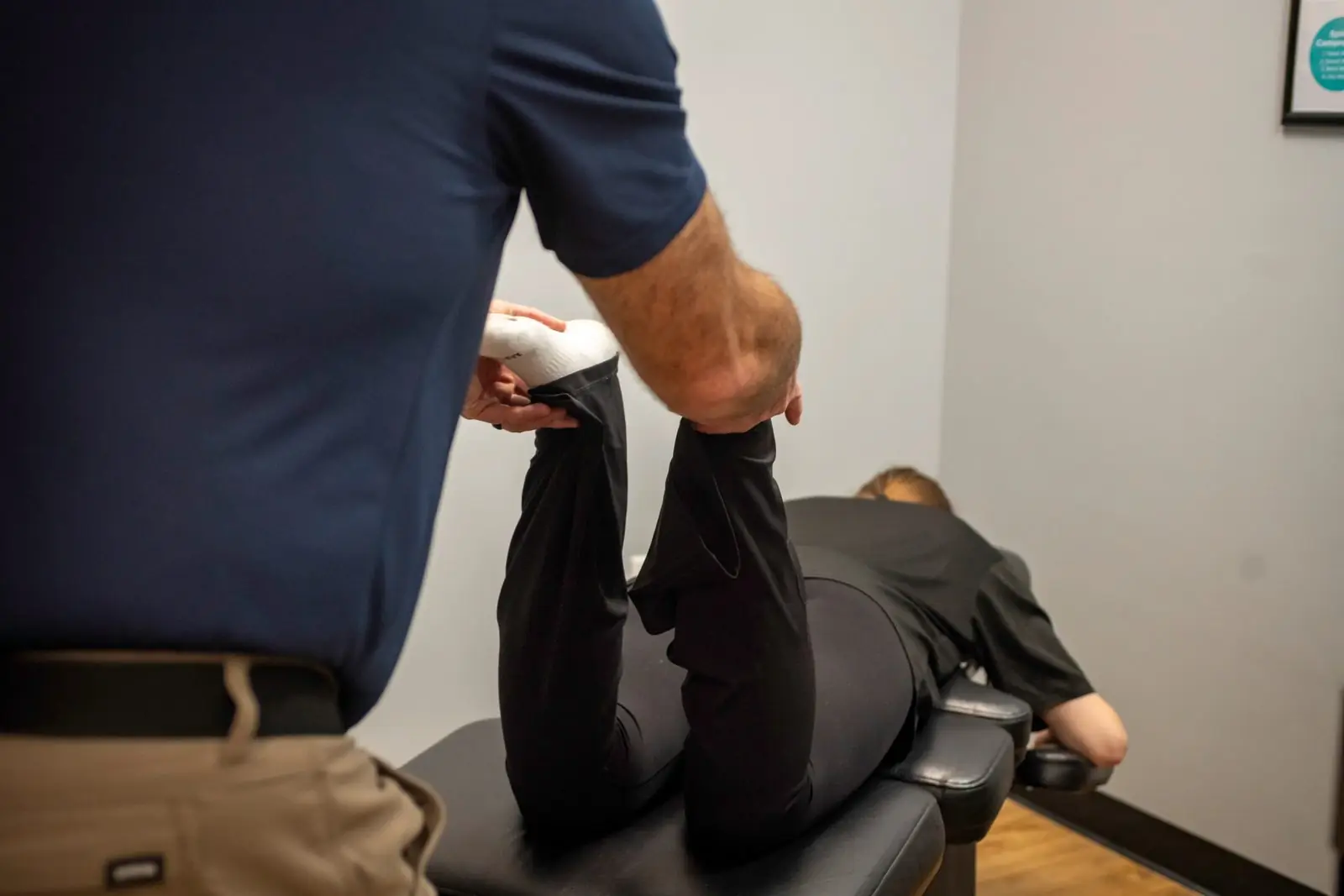
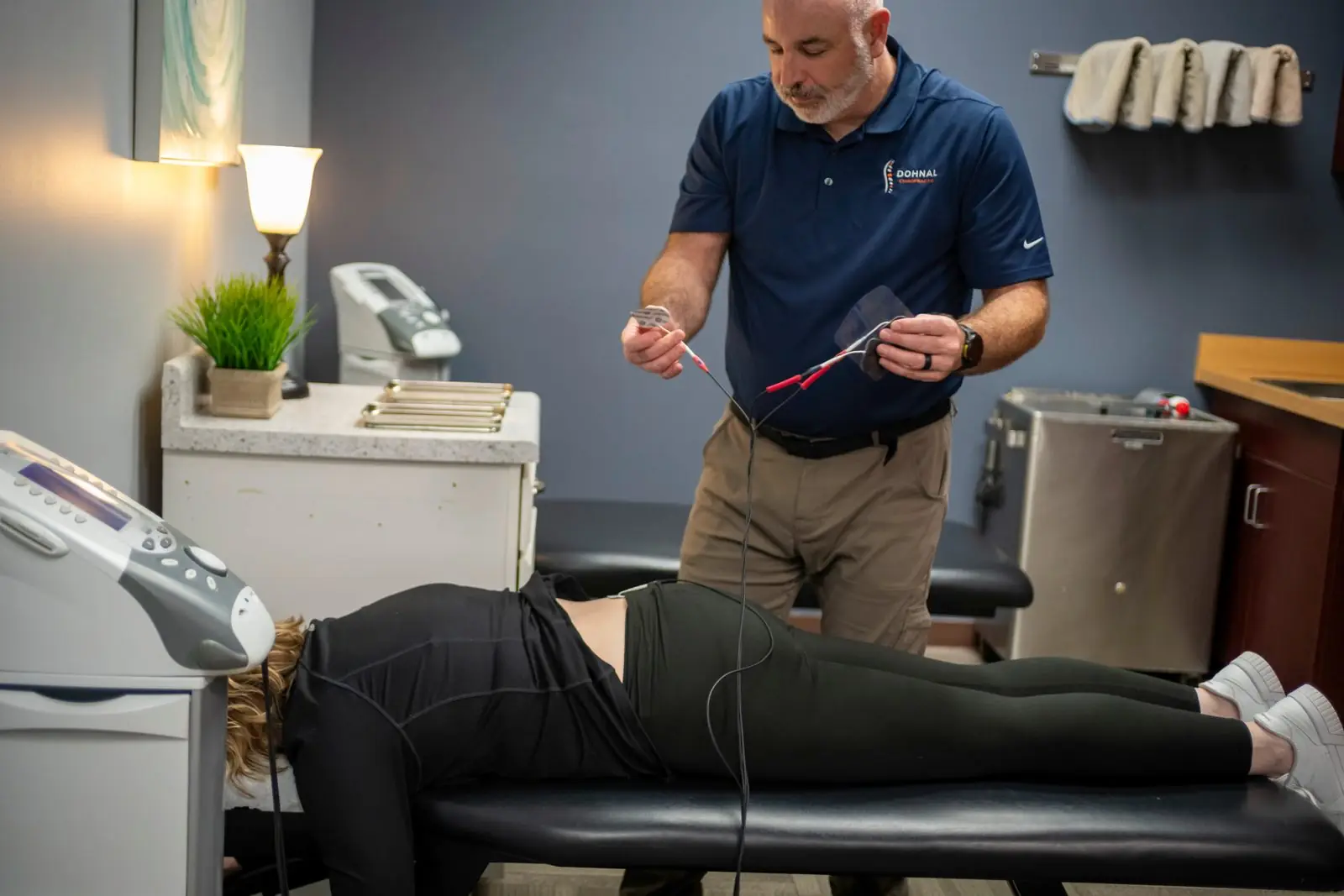
Depending on the patient’s needs, Dr. Christopher Dohnal may also incorporate soft tissue work, rehabilitative exercises, or coordinate with our physical therapy services to support a well-rounded recovery plan. The goal is always to reduce nerve irritation, restore movement, and help patients build resilience so their symptoms don’t keep coming back.
Practical Tips for Managing Sciatica at Home
While professional care is important for addressing the root cause of sciatica, there are several things you can do between visits, or before your first visit, to support your comfort and recovery.
Movement is generally your friend, even when it doesn’t feel that way. Extended bed rest tends to make sciatica worse over time. Gentle walking, when tolerated, keeps circulation moving and helps prevent the surrounding muscles from becoming further deconditioned. Avoid sudden, jarring movements, heavy lifting, or anything that causes a flare in your radiating symptoms.
Pay close attention to your sitting posture. Long periods of sitting (especially in unsupportive chairs or with a forward-leaning posture) can significantly increase pressure on the lumbar discs. If you work at a desk here in Nashville, consider a supportive chair with good lumbar support, and aim to get up and move every 30 to 45 minutes. Our blog on the role of posture in preventing and treating back pain offers some helpful guidance on this front.
Heat and ice can both offer temporary relief. Ice tends to be more helpful in the first 48 to 72 hours when inflammation is at its peak, while heat can help relax tight muscles once the acute phase passes. Neither replaces professional evaluation, but they can make daily life more comfortable as you work through your care plan.
Sleeping position also matters. Lying on your side with a pillow between your knees can take pressure off the lower back and sciatic nerve. If you prefer sleeping on your back, placing a pillow under your knees can help maintain a more neutral lumbar curve.
When to See a Chiropractor for Sciatica
If your sciatic pain has lasted more than a week or two without improvement, it’s a good time to schedule an evaluation. Sciatica that’s left unaddressed can sometimes become more stubborn and harder to resolve over time, so earlier intervention often leads to better outcomes.
You should also consider coming in if your pain is affecting your sleep, your ability to work, or your daily activities in a meaningful way. Sciatica doesn’t have to reach a crisis point before it’s worth addressing, and getting a clear picture of what’s going on can remove a lot of the anxiety that comes with not knowing what’s causing your symptoms.
There are certain red flags that require immediate medical attention rather than chiropractic care. These include sudden loss of bladder or bowel function, severe weakness in both legs, numbness in the groin or inner thigh area, or symptoms following a significant traumatic event. If any of these apply to you, please go to an emergency room. For most cases of sciatica, however, chiropractic evaluation is a safe and appropriate place to start.
| Situation | Recommended Action |
|---|---|
| Mild to moderate leg pain lasting 1–2 weeks | Schedule a chiropractic evaluation |
| Pain disrupting sleep or daily function | Seek professional care promptly |
| Numbness or tingling down one leg | Chiropractic evaluation recommended |
| Muscle weakness in the leg or foot | Evaluation needed; may require imaging |
| Loss of bladder or bowel control | Seek emergency medical care immediately |
| Symptoms following a major accident or fall | Medical evaluation first; chiropractic after clearance |
Myths vs. Facts About Sciatica
Myth: Sciatica always requires surgery to fix.
Fact: The vast majority of sciatica cases resolve with conservative care, including chiropractic treatment, physical therapy, and lifestyle adjustments. Surgery is typically considered only when conservative approaches have failed over an extended period, or when there are serious neurological complications. Most patients never need to go that route.
Myth: You should rest completely until the pain goes away.
Fact: Prolonged bed rest is generally not recommended for sciatica. Evidence consistently indicates that staying gently active (within tolerable limits) supports faster recovery. Complete inactivity can actually prolong symptoms and weaken the muscles that support your spine.
Myth: Sciatica is just another name for low back pain.
Fact: Sciatica is specifically nerve pain that radiates along the sciatic nerve’s path. Low back pain alone, without that traveling pattern, is a different condition. The two can overlap, but they’re not interchangeable terms, and the distinction matters when it comes to treatment.
Myth: Once you have sciatica, it will always come back.
Fact: While sciatica can recur (especially if the underlying cause isn’t addressed), many people experience full resolution with appropriate care and do not have repeat episodes. Strengthening the core, maintaining good posture, and continuing with wellness-focused chiropractic visits can significantly reduce the likelihood of recurrence.
Myth: Chiropractic adjustments are dangerous for sciatica.
Fact: When performed by a licensed, trained chiropractor who has thoroughly evaluated the patient, chiropractic adjustments are considered a safe and appropriate treatment option for many types of sciatica. Dr. Christopher Dohnal tailors care to each patient’s specific condition, always prioritizing safety and comfort.
Final Thoughts from Dohnal Chiropractic in Nashville
Living with sciatic pain in Nashville doesn’t have to be your new normal. Whether your symptoms just started or you’ve been dealing with this for months, there is real hope for relief through conservative, non-invasive care. At Dohnal Chiropractic, Dr. Christopher Dohnal is committed to helping patients across the Nashville community understand what’s happening in their bodies and find a clear, compassionate path forward.
We work with a wide range of patients, from active adults managing hip pain alongside their sciatica, to individuals recovering from injury, to those simply looking for a long-term partner in their spinal health. Our approach is thorough, individualized, and always focused on your goals. If you’ve been searching for sciatica relief in Nashville, we’d be glad to be a resource for you. Reach out to Dohnal Chiropractic and take that first step toward feeling like yourself again.
Frequently Asked Questions About Sciatica
How long does sciatica usually last?
For many people, an acute episode of sciatica improves within a few weeks to a few months with appropriate care. Chronic sciatica, which persists beyond three months, often benefits from a structured treatment plan. The timeline depends heavily on the underlying cause and how early care is initiated.
Is it safe to exercise with sciatica?
Gentle movement is generally encouraged and can support recovery. However, certain exercises may aggravate your specific condition, so it’s best to get guidance from a professional before starting a new routine. Dr. Christopher Dohnal can help identify which movements are safe and beneficial for your situation.
Can sciatica cause permanent nerve damage?
In most cases, sciatica does not lead to permanent nerve damage when addressed appropriately. Severe or long-standing nerve compression can carry more risk, which is one reason early evaluation is encouraged. If you notice rapidly worsening weakness or loss of function, seek care promptly.
What’s the difference between sciatica and a pinched nerve?
Sciatica is actually a form of pinched nerve pain, specifically involving the sciatic nerve. The term “pinched nerve” is broader and can refer to nerve compression anywhere in the body. You can learn more about recognizing nerve-related symptoms in our article on how to know if you have a pinched nerve.
Can pregnancy cause sciatica?
Yes, pregnancy-related sciatica is relatively common due to changes in posture, added weight, and the shifting position of the uterus as the baby grows. Chiropractic care can be a safe option for pregnant patients. Dohnal Chiropractic offers prenatal chiropractic care specifically designed to address discomfort during pregnancy.
Do I need an MRI before seeing a chiropractor for sciatica?
Not always. Dr. Christopher Dohnal can often assess your condition through a thorough physical and orthopedic examination. Imaging may be recommended if your symptoms are severe, unusual, or not responding as expected. Many patients begin care and make meaningful progress before ever needing advanced imaging.
TL;DR Summary
- Sciatica is nerve pain that radiates along the sciatic nerve from the lower back down into the leg, not just general low back pain.
- Common causes include herniated discs, spinal stenosis, and piriformis syndrome; identifying the root cause is key to effective treatment.
- Chiropractic care, including spinal adjustments and decompression therapy, is a well-recognized conservative option for sciatica relief.
- Staying gently active, improving posture, and avoiding prolonged sitting can support recovery between professional visits.
- At Dohnal Chiropractic in Nashville, TN, Dr. Christopher Dohnal provides individualized care to help patients understand and overcome sciatic pain without surgery or medication.

Dr. Chris Dohnal has been interested in helping others through health care since he was young. When he experienced an injury as a collegiate cross-country runner, traditional medical professionals were unable to get him back to the sport he loved. On the advice of a family friend Dr. Dohnal sought care from a chiropractor who was able to identify and correct his injury. Dr. Dohnal was sold on pursuing a career of helping others find their return to health and the activities they love through chiropractic.