Why Does My Arm Hurt for No Reason? Common Causes You Shouldn’t Ignore

Arm pain that seems to come out of nowhere can be genuinely unsettling. One day you feel fine, and the next you’re dealing with a dull ache, a sharp shooting sensation, or a persistent tingling that just won’t quit. If you’ve been asking yourself, “Why does my arm hurt for no reason?” you’re not alone. Here in Nashville, TN, this is one of the most common concerns patients bring to Dohnal Chiropractic. The good news is that arm pain rarely appears without a cause. Understanding what’s happening in your body is the first step toward feeling better.
What Is Unexplained Arm Pain?
Arm pain that seems to have no obvious reason is usually a sign that something else in the body, often the neck or spine, is sending distress signals through the nervous system. In many cases, the arm itself isn’t the true source of the problem. Pain, numbness, or tingling in the arm may originate from compressed nerves, joint dysfunction, or muscle tension in areas far removed from where you feel the discomfort.
Table of Contents
- What Is Unexplained Arm Pain?
- Common Causes of Arm Pain You Shouldn’t Ignore
- Understanding Referred Pain and the Nervous System
- How Posture and Daily Habits Contribute to Arm Pain
- How Chiropractic Care Fits Into Your Recovery
- Practical Tips to Help Manage Arm Pain at Home
- When to See a Chiropractor
- Myths vs. Facts About Arm Pain
- Final Thoughts from Dohnal Chiropractic
- Frequently Asked Questions
- TL;DR Summary
Common Causes of Arm Pain You Shouldn’t Ignore
Most people assume arm pain must mean they strained a muscle or slept in a funny position. While those things can certainly play a role, the underlying causes of arm pain are often more complex. Here are some of the most widely recognized contributors.
Cervical Radiculopathy (a Pinched Nerve in the Neck)
The cervical spine (that’s the section of your spine in your neck) houses a network of nerves that extend all the way down into your arms, hands, and fingers. When one of those nerves becomes compressed or irritated, you may feel pain, numbness, or weakness that travels down the arm. This is called cervical radiculopathy, and it’s one of the most common explanations for arm pain that seems to appear out of nowhere.
Disc herniation, bone spurs, or simple joint restriction in the neck can all trigger this kind of radiating pain. The location and character of the discomfort often depend on which nerve is affected. For example, irritation at certain cervical levels tends to cause pain along the outer arm, while other levels affect the inner forearm or specific fingers.
Thoracic Outlet Syndrome
Between your collarbone and first rib sits a narrow space called the thoracic outlet. Nerves and blood vessels pass through this space on their way to your arm. When that space becomes compressed (due to poor posture, tight muscles, or a structural variation), it can cause pain, tingling, and numbness in the shoulder, arm, and hand. Thoracic outlet syndrome is frequently misdiagnosed because it mimics other conditions and doesn’t always show up clearly on basic imaging.
Rotator Cuff and Shoulder Joint Problems
Issues originating in the shoulder joint itself can produce pain that radiates down the arm. Rotator cuff irritation, shoulder impingement, or joint inflammation can all cause discomfort that feels like it’s coming from the upper arm or elbow. These problems often worsen with overhead movement or reaching behind the back, which gives an important clue to what’s actually going on.
Cubital or Carpal Tunnel Syndrome
Nerve compression doesn’t only happen in the neck. The ulnar nerve at the elbow (cubital tunnel) and the median nerve at the wrist (carpal tunnel) are two frequent sites of nerve entrapment. Both conditions can cause pain, tingling, or weakness that extends up or down the arm, often making it difficult to pinpoint the actual source of your discomfort.
Muscle Tension and Trigger Points
Chronically tight muscles in the neck, upper back, and shoulder region can develop what are known as trigger points, knots of muscle tissue that refer pain to distant areas. A tight scalene or pectoralis muscle, for instance, can generate aching or burning sensations felt along the arm even though the muscle itself is nowhere near the arm.
Understanding Referred Pain and the Nervous System
One of the most important concepts to understand when dealing with arm pain is referred pain. This is when your brain perceives pain in a location that is different from the actual source of irritation. It happens because multiple areas of the body share the same nerve pathways, which can make the brain “misread” where the signal is coming from.
The cervical spine is a prime example. The nerves that exit between the vertebrae in your neck travel directly into your shoulder, arm, forearm, and hand. If there’s joint restriction, inflammation, or disc compression at those spinal levels, pain can appear anywhere along that nerve’s path, including spots that feel completely unrelated to the neck.
This is why, at Dohnal Chiropractic in Nashville, Dr. Christopher Dohnal takes a thorough approach to evaluating arm pain. Simply treating the spot where the pain is felt may not address the actual underlying cause. A comprehensive look at the spine, posture, and nervous system function often reveals the true source of the problem.
How Posture and Daily Habits Contribute to Arm Pain
Here in Nashville, many patients come into Dohnal Chiropractic with arm pain that has developed gradually over months or even years, and in many cases, daily habits are a significant contributing factor. The way you sit at a desk, hold your phone, carry a bag, or sleep can place repetitive stress on specific joints and nerves over time.
Forward head posture is a particularly common culprit. When the head shifts forward from the shoulders (a pattern that’s extremely common in people who work at computers or frequently look down at their phones), it dramatically increases the load on the cervical spine. Over time, this can contribute to nerve compression, disc stress, and muscular imbalance that eventually produces symptoms in the arm.
Sleeping on your side with your arm tucked under your body or over your head can also place sustained pressure on nerves and blood vessels that supply the arm. People often wake up with numbness or tingling and assume it’s temporary, only to find the symptoms begin to linger or worsen as time goes on.
How Chiropractic Care Fits Into Your Recovery
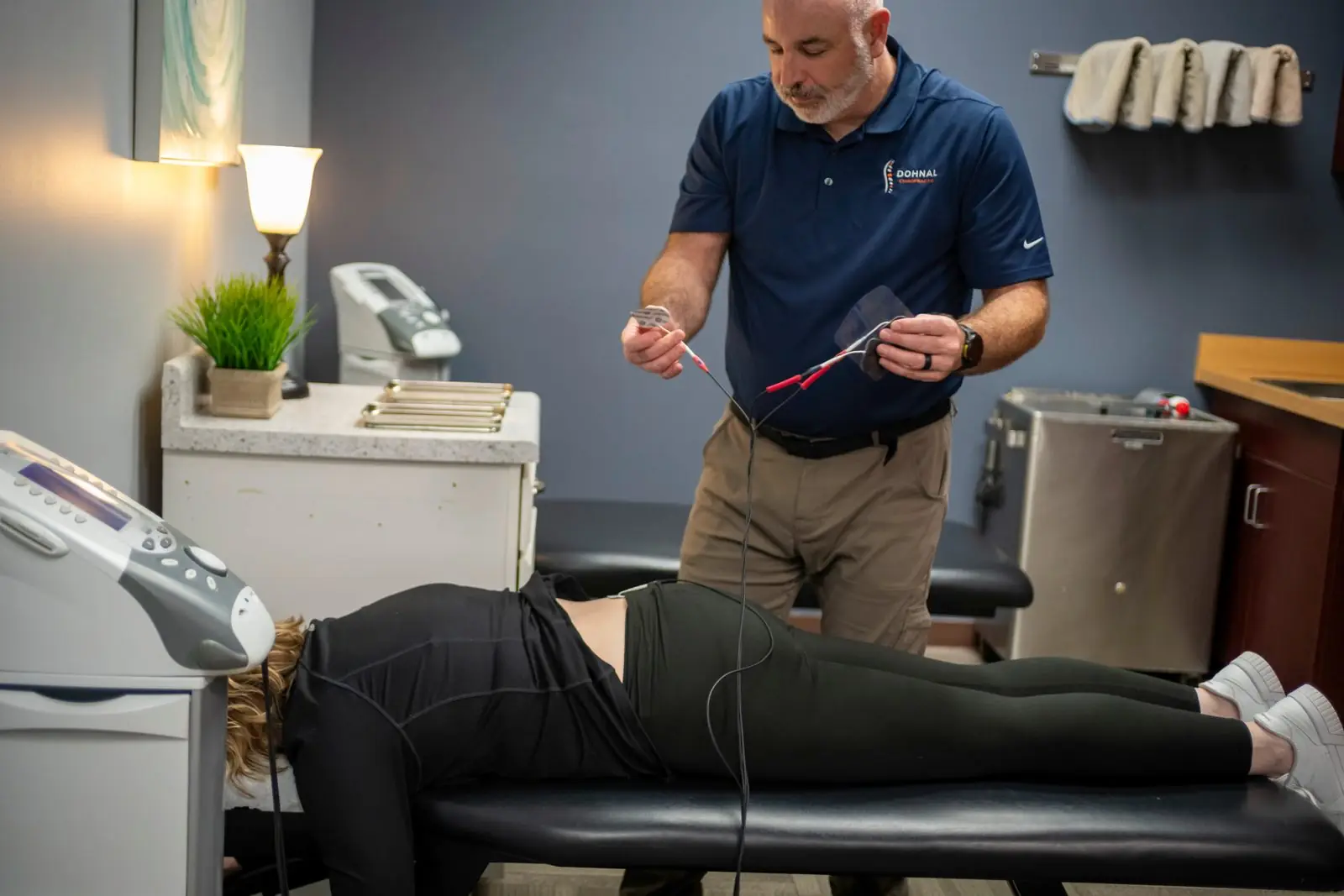
Chiropractic care offers a non-invasive, drug-free approach to evaluating and addressing many of the mechanical causes behind arm pain. Rather than masking symptoms with medication, chiropractic focuses on identifying and correcting the underlying structural issues that may be irritating nerves, restricting joint motion, or contributing to muscular dysfunction.
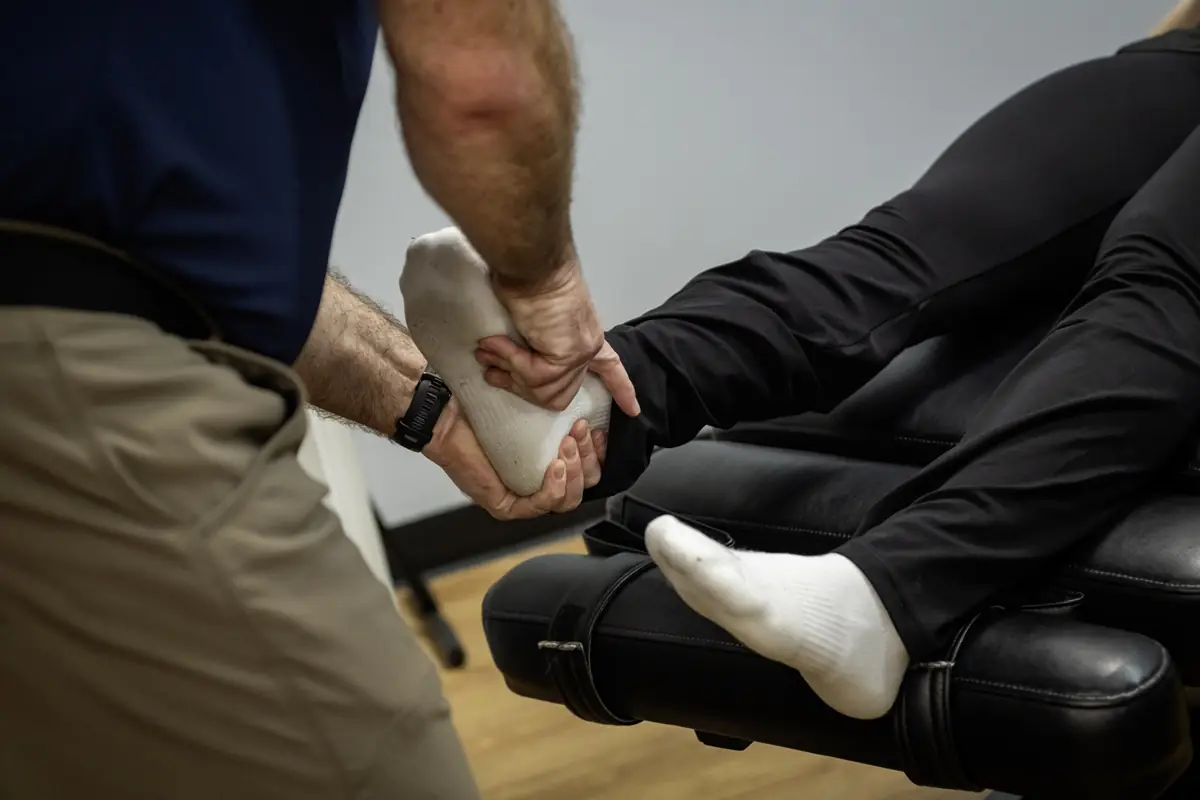
At Dohnal Chiropractic, Dr. Christopher Dohnal conducts a careful evaluation that includes assessing posture, spinal alignment, joint mobility, and neurological function. This helps determine whether the arm pain may be originating from the cervical spine, thoracic spine, shoulder, or another structure entirely.
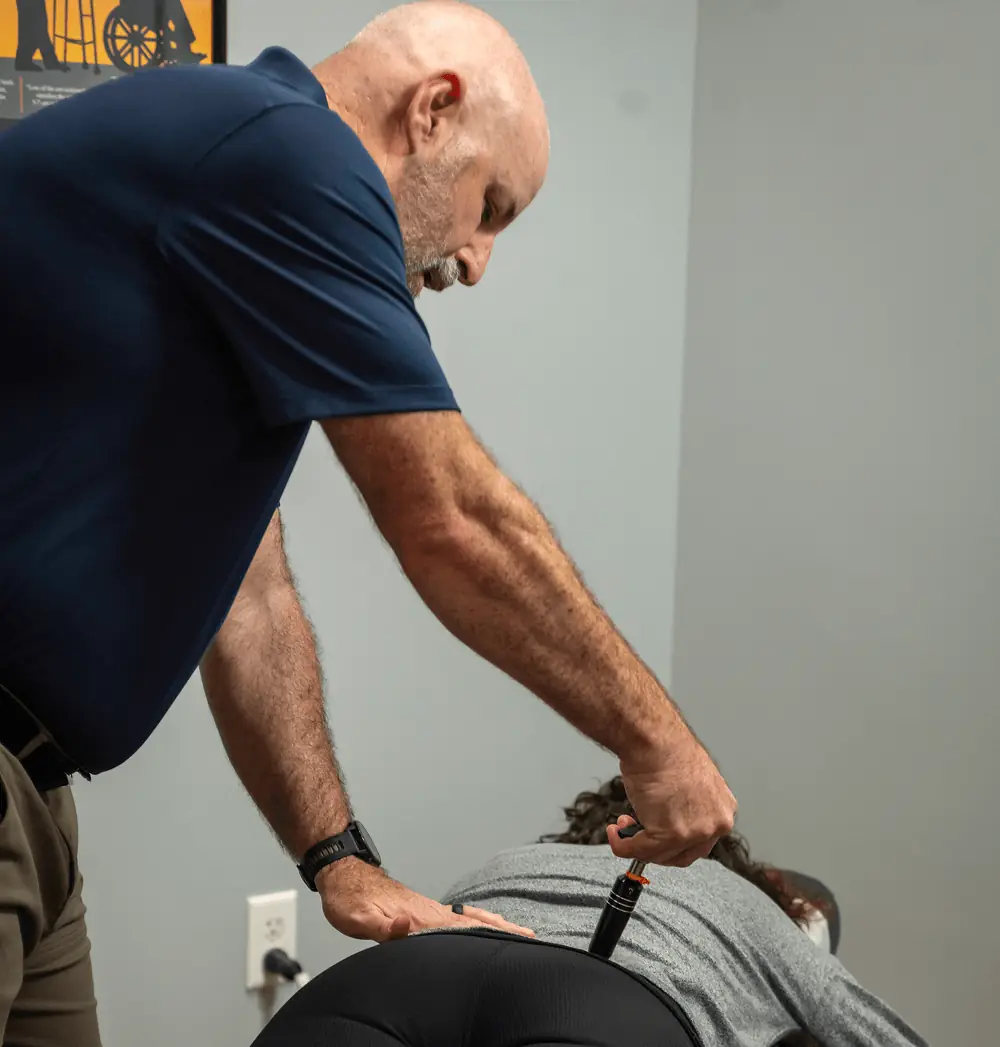
Chiropractic adjustments to the cervical or thoracic spine can help restore normal joint motion and reduce nerve irritation. Evidence from organizations such as the American Chiropractic Association and research published in peer-reviewed journals suggests that spinal manipulation can be an effective conservative care option for conditions like cervical radiculopathy and associated arm pain. Soft tissue techniques, therapeutic exercises, and postural correction guidance are also commonly incorporated into a care plan, depending on what’s driving the symptoms.
The goal isn’t just to get you out of pain; it’s to help you understand what contributed to the problem in the first place so you can make meaningful, lasting improvements to how you feel day to day.
Practical Tips to Help Manage Arm Pain at Home
While professional evaluation is important, there are sensible steps you can take in the meantime to reduce unnecessary strain on your arms, neck, and upper body. These aren’t substitutes for care; they’re supportive habits that can make a real difference.
Pay close attention to your workstation setup. Your monitor should be at eye level so you’re not constantly looking down or craning your neck upward. Your keyboard and mouse should be positioned so your elbows are close to your body and bent at roughly a 90-degree angle, reducing strain on the forearms and wrists. Taking a brief break to stand and move every 30 to 45 minutes can also help prevent the buildup of tension in the neck and shoulders.
Be mindful of how you hold your phone. Prolonged phone use with the device held low (requiring you to look down) places significant stress on the cervical spine and can gradually contribute to nerve compression over time. Raising the phone closer to eye level is a simple but effective adjustment.
Gentle neck range-of-motion exercises (slowly turning the head side to side, gently tilting the ear toward the shoulder) can help maintain cervical mobility and reduce muscle stiffness. These are not intended to treat any specific condition but can support general neck health as part of a daily wellness routine.
When to See a Chiropractor
Arm pain that lingers beyond a few days, recurs frequently, or progressively worsens is a signal worth taking seriously. You shouldn’t wait until the pain becomes debilitating before seeking a professional evaluation. The earlier the underlying cause is identified, the more options you generally have for addressing it conservatively.
Dr. Christopher Dohnal at Dohnal Chiropractic in Nashville, TN, commonly works with patients experiencing arm pain accompanied by neck stiffness, shoulder aching, or changes in grip strength. These kinds of combined symptoms often point toward a spinal or neurological origin that responds well to chiropractic evaluation.
However, certain symptoms should prompt you to seek emergency medical care rather than a chiropractic appointment. Arm pain or tightness accompanied by chest pressure, shortness of breath, sweating, or jaw pain can be signs of a cardiac event and requires immediate attention. Sudden severe weakness in the arm, loss of coordination, or facial drooping alongside arm symptoms may indicate a neurological emergency. In these situations, call 911 or go directly to your nearest emergency room.
Arm Pain Causes at a Glance
| Cause | Common Location of Pain | Key Features | Conservative Care Option |
|---|---|---|---|
| Cervical Radiculopathy | Neck, shoulder, arm, hand | Radiating pain, numbness, or tingling along a nerve path | Chiropractic adjustment, therapeutic exercise |
| Thoracic Outlet Syndrome | Shoulder, arm, hand | Tingling, weakness, numbness; often posture-related | Postural correction, soft tissue work |
| Rotator Cuff Irritation | Shoulder, upper arm | Pain with overhead movement or reaching behind the back | Joint mobilization, rehabilitation exercises |
| Carpal/Cubital Tunnel | Forearm, wrist, hand, fingers | Numbness, tingling, weakness in hand or fingers | Wrist/elbow ergonomics, nerve gliding exercises |
| Muscle Trigger Points | Varies, often upper arm or forearm | Aching or burning that seems unrelated to a specific movement | Soft tissue therapy, stretching, posture work |
Myths vs. Facts About Arm Pain
Myth: Arm pain always means there’s something wrong with the arm itself.
Fact: The arm is frequently the site where pain is felt, but not where the problem originates. Cervical spine dysfunction, shoulder joint issues, and muscle trigger points elsewhere in the upper body are common sources of arm pain. Treating only the arm without evaluating the broader picture often leads to incomplete relief.
Myth: If imaging doesn’t show anything, the pain isn’t real.
Fact: Many causes of arm pain (including early nerve irritation, muscle tension, and joint restriction) may not appear clearly on X-rays or even MRI. Pain is a real neurological experience. The absence of a visible structural finding on imaging does not mean the pain is imagined or insignificant.
Myth: You need surgery or medication to resolve arm pain.
Fact: Many cases of arm pain, particularly those involving nerve irritation from the cervical spine or musculoskeletal causes, respond well to conservative care approaches. Organizations like the American College of Physicians recommend conservative and non-invasive approaches as a first-line option for many types of musculoskeletal pain before considering more invasive interventions.
Myth: Resting the arm completely is the best thing you can do.
Fact: While avoiding aggravating activities during a flare-up makes sense, prolonged rest and immobility can actually slow recovery. Maintaining gentle movement, appropriate exercise, and normal daily activities (within pain tolerance) is generally encouraged in modern conservative care practice.
Myth: Arm pain from the spine only affects older adults.
Fact: Cervical radiculopathy and other spinal-related causes of arm pain can affect people of all ages. Younger adults who spend significant time at computers, carry heavy bags on one shoulder, or have prior neck injuries are frequently affected. Age is a factor, but it’s far from the only one.
Final Thoughts from Dohnal Chiropractic
Arm pain that seems to come from nowhere is one of the body’s ways of telling you that something in your musculoskeletal system deserves attention. It can feel confusing and frustrating, especially when you can’t point to a single incident or injury that caused it. But unexplained arm pain usually has a very explainable origin, and identifying that origin is what makes all the difference.
Here at Dohnal Chiropractic in Nashville, TN, Dr. Christopher Dohnal works with patients every day who are dealing with exactly this kind of symptom. The approach is always thorough, individualized, and rooted in genuine care for each person’s wellbeing. Our goal is to help you understand what’s happening in your body, address the underlying cause, and give you the tools to support your own long-term health.
If you’ve been living with arm pain and haven’t found satisfying answers yet, you deserve a fresh perspective. Nashville has a wonderful, health-conscious community, and we’re proud to be a part of supporting it. Don’t let unexplained pain keep you from living the active, comfortable life you deserve.
Frequently Asked Questions
Can a problem in my neck really cause arm pain?
Yes, absolutely. The nerves that travel from your cervical spine into your arm can produce pain, numbness, or tingling anywhere along their path when they become compressed or irritated. This is one of the most common explanations for arm pain that doesn’t seem related to a specific arm injury.
How long does arm pain from a pinched nerve usually last?
The duration varies widely depending on the underlying cause, severity, and how quickly it’s addressed. Some cases improve with conservative care within a few weeks; others may take longer. Seeking evaluation early generally leads to better outcomes.
Is it safe to see a chiropractor for arm pain?
For musculoskeletal and nerve-related causes of arm pain, chiropractic care is widely considered a safe and appropriate conservative option. A thorough evaluation helps determine whether chiropractic is suitable for your specific situation and whether any referral to another provider is needed.
What if my arm pain comes and goes?
Intermittent arm pain still warrants evaluation, especially if it’s recurring more frequently or becoming more intense over time. Patterns of pain (when it occurs, what makes it better or worse, where it travels) provide valuable diagnostic information that can help identify the source.
Can poor posture actually cause arm pain?
Yes. Poor posture (particularly forward head posture and rounded shoulders) can place sustained mechanical stress on the cervical spine, compress nerves, and contribute to muscular imbalances that refer pain into the arm. Correcting posture is often an important part of a long-term solution.
Should I be worried that my arm pain is something serious?
Most arm pain is musculoskeletal in origin and is not dangerous. However, if your arm pain is accompanied by chest tightness, shortness of breath, jaw pain, or sweating, seek emergency care immediately as these can be signs of a cardiac event. Otherwise, scheduling an evaluation with Dr. Christopher Dohnal at Dohnal Chiropractic is a sensible and proactive first step.
TL;DR Summary
- Arm pain that seems to have no obvious cause is often rooted in the cervical spine, shoulder, or surrounding muscles, not the arm itself.
- Common causes include pinched nerves in the neck, thoracic outlet syndrome, rotator cuff irritation, carpal or cubital tunnel syndrome, and muscle trigger points.
- Referred pain from the spine is a real and well-established phenomenon that explains why the source of pain is often distant from where it’s felt.
- Chiropractic care from Dr. Christopher Dohnal at Dohnal Chiropractic in Nashville, TN offers a non-invasive approach to evaluating and addressing the structural causes of arm pain.
- Seek emergency care if arm pain is accompanied by chest pressure, jaw pain, shortness of breath, or sudden neurological changes.

Dr. Chris Dohnal has been interested in helping others through health care since he was young. When he experienced an injury as a collegiate cross-country runner, traditional medical professionals were unable to get him back to the sport he loved. On the advice of a family friend Dr. Dohnal sought care from a chiropractor who was able to identify and correct his injury. Dr. Dohnal was sold on pursuing a career of helping others find their return to health and the activities they love through chiropractic.