If you or someone you love has been told they have scoliosis, the first thing you might feel is concern — and that’s completely understandable. Questions start pouring in. What causes scoliosis? Will it get worse? Is there anything that can actually help? Here in Nashville, TN, these are questions that Dr. Christopher Dohnal at Dohnal Chiropractic hears regularly, and the good news is that scoliosis is far more manageable than most people realize. Whether you’re a parent worried about your child’s posture, an adult noticing new back discomfort, or someone recently diagnosed, this article will walk you through everything you need to know — clearly, honestly, and without unnecessary fear.
What is scoliosis? Scoliosis is an abnormal lateral (side-to-side) curvature of the spine. Instead of running straight from top to bottom, the spine curves in an “S” or “C” shape when viewed from behind. It can affect people of all ages, though it most commonly appears during childhood and adolescence. The condition ranges from mild to severe, and understanding what drives it is the first step toward making informed choices about your care.
What Causes Scoliosis?
Understanding what causes scoliosis requires looking at the spine from a few different angles — literally and figuratively. The honest answer is that for the majority of people diagnosed with scoliosis, doctors and researchers do not know the exact cause. This type is called idiopathic scoliosis, and it accounts for roughly 80% of all scoliosis cases. “Idiopathic” simply means there is no single identifiable cause. That said, research strongly suggests that genetics play a significant role, meaning scoliosis does tend to run in families.
Beyond idiopathic scoliosis, there are several well-understood causes. Neuromuscular scoliosis develops as a result of conditions that affect the muscles and nerves, such as cerebral palsy, muscular dystrophy, or spinal cord injuries. When the muscles along the spine cannot provide balanced support, abnormal curvature can develop over time. Congenital scoliosis is present from birth and occurs when the vertebrae do not form properly during fetal development. This type is relatively rare but can be identified very early in life.
Degenerative scoliosis — sometimes called adult-onset or de novo scoliosis — is another important cause, particularly for older adults. As the discs between vertebrae break down with age and the joints of the spine wear unevenly, the spine can begin to drift to one side. This is why scoliosis isn’t only a childhood condition. Adults in Nashville and beyond are increasingly diagnosed with degenerative scoliosis as they age, and many find that addressing it early makes a meaningful difference in their quality of life. Poor posture habits over years can also contribute to spinal imbalances — something Dr. Christopher Dohnal often discusses with patients, and a topic explored in depth in this article on the long-term cost of poor posture on your health.
The Different Types of Scoliosis
Knowing the type of scoliosis you’re dealing with matters because it shapes what kind of care makes sense for you. The four main categories are idiopathic, neuromuscular, congenital, and degenerative — but within those categories, there are further distinctions based on the patient’s age at diagnosis.
Infantile idiopathic scoliosis appears in children under the age of three. Juvenile idiopathic scoliosis presents between ages three and ten. Adolescent idiopathic scoliosis — the most common of all — typically emerges during the growth spurt just before puberty, usually between ages ten and eighteen. Because the spine is still developing during these years, curves can progress more rapidly, which is why early detection matters so much.
For children and teens in the Nashville area, pediatric chiropractic care at Dohnal Chiropractic offers a gentle, non-invasive way to monitor spinal development and support healthy musculoskeletal function during these critical growth years. Dr. Christopher Dohnal understands that young spines have unique needs, and care is always tailored accordingly.
Signs and Symptoms to Watch For
One of the trickier aspects of scoliosis is that it often develops quietly, without pain — especially in younger patients. Parents are frequently the first to notice something is off, and that early observation can make a real difference. Here are some of the most common signs to keep an eye on.
Uneven shoulders are one of the earliest and most visible clues. If one shoulder blade seems to stick out more than the other, or one shoulder sits noticeably higher, that asymmetry warrants attention. Similarly, an uneven waistline — where one hip appears higher or more prominent — is another common early indicator. You might also notice that a child’s head doesn’t appear centered over the rest of their body, or that their clothes don’t hang evenly.
In adults, scoliosis is more likely to present with back pain, stiffness, or a reduced range of motion. Some people notice that they lean to one side when standing or walking. In more advanced cases, the abnormal curvature can create muscle fatigue and tension that radiates into the hips, and in rare severe cases, it can affect breathing if the rib cage is significantly involved. If you’ve noticed persistent discomfort in your back or hips alongside any of the posture-related signs described above, it’s worth having a professional evaluation. At Dohnal Chiropractic, Dr. Christopher Dohnal performs thorough spinal assessments to help get a clear picture of what’s actually happening.
|
Type of Scoliosis |
Typical Age of Onset |
Primary Cause |
Common Symptoms |
|---|---|---|---|
|
Idiopathic (Adolescent) |
10–18 years |
Unknown; genetic factors likely |
Uneven shoulders, uneven waist, visible spinal curve |
|
Idiopathic (Juvenile/Infantile) |
Birth–10 years |
Unknown; possibly developmental |
Visible curve, asymmetric posture |
|
Congenital |
Present at birth |
Vertebral malformation in utero |
Early structural curve, identified in infancy |
|
Neuromuscular |
Varies |
Neurological or muscular conditions |
Progressive curve, muscle imbalance, associated condition present |
|
Degenerative (Adult) |
40+ years |
Disc and joint degeneration |
Back pain, stiffness, visible lean or tilt |
How Chiropractic Care Can Help with Scoliosis
It’s important to be honest here: chiropractic care does not cure scoliosis or permanently straighten the spine. Anyone who tells you otherwise is overpromising. What chiropractic care can do — and does quite well, according to a growing body of evidence — is help manage symptoms, improve spinal mobility, reduce muscle tension, and support better posture and function. For many patients, those outcomes make a significant difference in everyday comfort and quality of life.
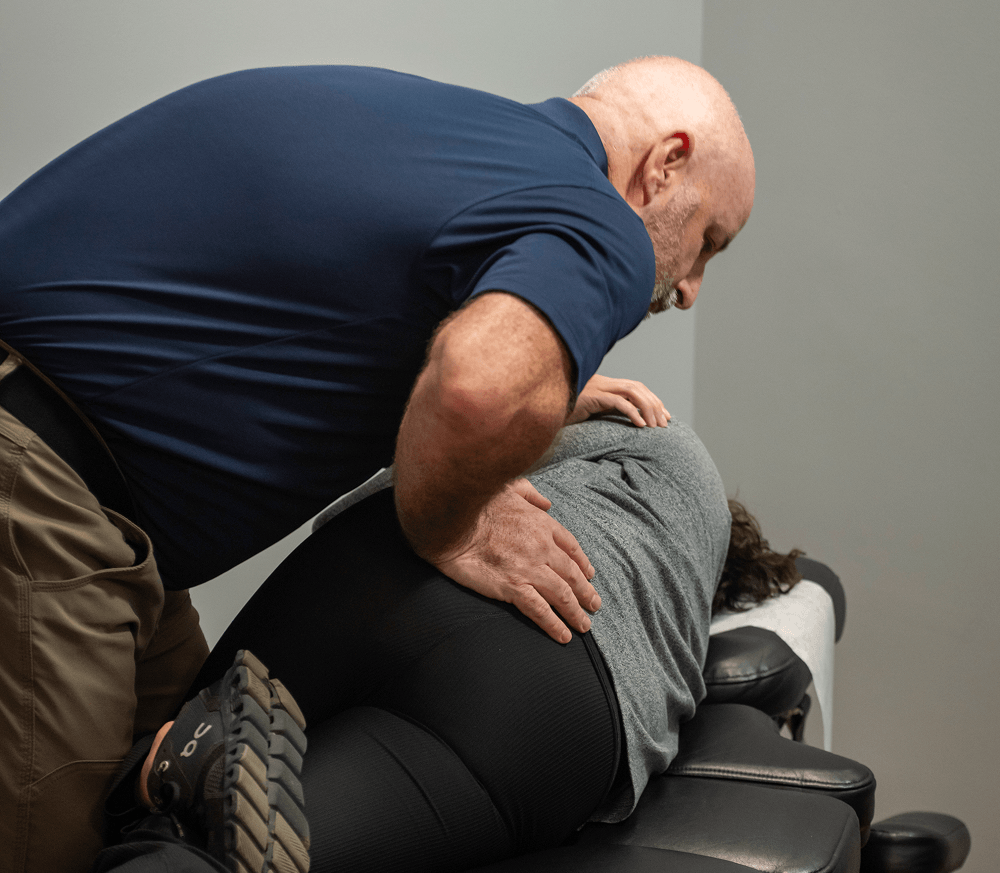
The foundation of chiropractic care for scoliosis is gentle spinal manipulation, also called a chiropractic adjustment. The goal of these adjustments isn’t to force the spine into a straight line, but rather to reduce joint restrictions, improve segmental motion, and help the surrounding muscles work more efficiently. When the joints of the spine move better, the muscles around them don’t have to work as hard to compensate — and that often means less pain and tension for the patient.
At Dohnal Chiropractic in Nashville, TN, scoliosis treatment is approached as part of a whole-body, individualized care plan. Dr. Christopher Dohnal takes time to understand each patient’s specific curve pattern, lifestyle, and goals before recommending a course of care. For some patients, that plan may include spinal adjustments alongside targeted therapeutic exercises and stretching guidance. For others, especially those with more significant degeneration, spinal decompression therapy may be incorporated to gently relieve pressure on compressed discs and nerve roots.
Chiropractic care also pairs naturally with physical rehabilitation. The team at Dohnal Chiropractic offers physical therapy services that complement spinal care by strengthening the muscles that support the spine. Building strength and stability in the core and back muscles is one of the most important things a scoliosis patient can do to slow the progression of symptoms and maintain function over time.
It’s also worth noting that scoliosis can create secondary symptoms. The abnormal curvature affects how the whole body is balanced, which can contribute to hip pain, sciatica, and even neck pain in some cases. Addressing the spine as a whole — rather than just the visible curve — is a core part of how Dr. Christopher Dohnal approaches scoliosis care at the Nashville clinic.
Practical Tips for Managing Scoliosis Day to Day
Living well with scoliosis is absolutely possible. Small, consistent habits add up over time, and the choices you make daily can have a meaningful impact on how you feel. Here are some grounded, practical strategies that align with what Dr. Christopher Dohnal recommends to patients at Dohnal Chiropractic.
Stay active and keep moving. A sedentary lifestyle allows the muscles supporting your spine to weaken, which can worsen discomfort and increase muscle imbalance. Low-impact activities like walking, swimming, and yoga are generally well-tolerated by people with scoliosis and help maintain core strength and spinal flexibility. Always discuss new exercise plans with your chiropractor first, especially if your curve is more pronounced.
Pay attention to your sleeping position. Sleeping on your back or side with appropriate pillow support tends to be more comfortable and spine-friendly for people with scoliosis. Sleeping on your stomach can increase pressure on the lower back and exacerbate muscle tension. If you find yourself waking up stiff or sore, it’s a good idea to discuss sleep positioning with Dr. Christopher Dohnal at your next appointment.
Ergonomics matter more than most people realize. Whether you’re working at a desk, driving, or scrolling through your phone, your posture throughout the day puts constant demands on your spine. If you’re curious about how posture habits can quietly compound into bigger problems, understanding the basics of chiropractic care for back pain is a great place to start. Adjust your workstation so your screen is at eye level, your feet are flat on the floor, and your lower back has support.
When to See a Chiropractor for Scoliosis
If you’ve noticed any of the postural signs described earlier — uneven shoulders, a visible spinal curve, a persistent lean to one side — or if a school screening has flagged a potential curve, it’s worth scheduling an evaluation sooner rather than later. Early assessment gives you more options and a clearer picture of what you’re working with.
For adults experiencing back pain, stiffness, or hip discomfort that hasn’t resolved on its own, a chiropractic evaluation can help identify whether scoliosis or spinal degeneration may be contributing. You don’t need to wait until the pain becomes severe. In fact, conservative care tends to be most effective when it begins early.
There are some situations where chiropractic care may need to be part of a broader medical team approach. If a curve is severe (typically measured at 40 degrees or more on imaging), or if there are signs of rapidly progressing neurological symptoms — such as significant leg weakness, loss of bladder or bowel control, or severe radiating pain — it’s important to seek evaluation from an orthopedic or neurosurgical specialist. Dr. Christopher Dohnal is always willing to coordinate with other healthcare providers to make sure patients get the full level of care they need.
Myths vs. Facts About Scoliosis
Myth: Scoliosis only affects children and teenagers.
Fact: While adolescent idiopathic scoliosis is the most commonly diagnosed form, adults develop scoliosis too — often as a result of degenerative changes in the spine. Adult scoliosis is increasingly recognized and can appear for the first time after age 40. It’s never too late to seek evaluation and supportive care.
Myth: If it doesn’t hurt, scoliosis isn’t a problem.
Fact: Many people with mild to moderate scoliosis experience little to no pain, especially early in life. However, the absence of pain doesn’t mean the condition should be ignored. Over time, untreated curves can progress, and the compensatory muscle imbalances that develop can lead to pain and reduced mobility later on.
Myth: Chiropractic care can straighten the spine and cure scoliosis.
Fact: Chiropractic care is not a cure for scoliosis, and it cannot permanently straighten an established structural curve. What it can do is improve joint mobility, reduce muscle tension, manage pain, and support better spinal function — which are meaningful and well-supported goals. Evidence suggests that conservative care, including chiropractic, can play a valuable role in managing scoliosis symptoms.
Myth: Heavy backpacks and poor posture cause scoliosis.
Fact: Despite being a widely held belief, research does not support the idea that heavy backpacks or poor posture cause idiopathic scoliosis. That said, poor posture and ergonomic habits can worsen existing spinal imbalances and contribute to pain and muscle tension, making it worth addressing regardless of whether scoliosis is present.
Myth: Surgery is the only real treatment option for scoliosis.
Fact: Surgery is generally reserved for severe cases where the curve poses a risk to organ function or is progressing rapidly despite conservative management. The vast majority of scoliosis patients — especially those with mild to moderate curves — are managed successfully with monitoring, bracing (in appropriate cases), exercise, and conservative care like chiropractic.
Final Thoughts from Dohnal Chiropractic
Scoliosis is one of those conditions that can feel overwhelming at first, but with the right information and the right support, it becomes much more manageable. Understanding what causes scoliosis is an important first step — and so is knowing that you don’t have to navigate it alone. Here in Nashville, TN, Dr. Christopher Dohnal and the team at Dohnal Chiropractic are committed to helping patients of all ages understand their spinal health and make confident, informed decisions about their care.
Whether you’re a parent exploring options for a child, an adult newly diagnosed, or someone who’s been managing scoliosis for years and is looking for a fresh approach, our doors are open. Dohnal Chiropractic offers comprehensive spinal care in a warm, welcoming environment where your questions are always taken seriously. From wellness chiropractic care for ongoing spinal maintenance to targeted treatment for complex cases, we’re here to walk alongside you. We’d be honored to be part of your care team right here in the Nashville community.
Frequently Asked Questions
Can scoliosis get worse over time?
It depends on the type and degree of the curve, as well as the patient’s age and skeletal maturity. Curves in children and adolescents who are still growing carry a higher risk of progression. In adults, degenerative scoliosis can gradually worsen as the spine continues to break down. Regular monitoring and proactive conservative care can help slow progression in many cases.
Is chiropractic care safe for children with scoliosis?
Yes, when performed by a qualified chiropractor experienced with pediatric patients, chiropractic care is considered safe for children with scoliosis. Adjustments for younger patients use gentler techniques appropriate for developing spines. Dr. Christopher Dohnal has experience working with pediatric patients and tailors every care plan to the individual child’s needs.
How is scoliosis diagnosed?
Scoliosis is typically identified through a physical examination — often including the Adam’s forward bend test — and confirmed through X-ray imaging, which allows the curve to be measured precisely. A Cobb angle of 10 degrees or more is generally considered diagnostic for scoliosis. Your chiropractor or primary care provider can help coordinate appropriate imaging and evaluation.
Can adults develop scoliosis for the first time?
Yes. Degenerative scoliosis, also called adult de novo scoliosis, can develop in adults who never had it as children. It results from asymmetric disc and joint degeneration that causes the spine to shift gradually over time. It most commonly appears after age 40 and tends to affect the lower back.
Does scoliosis cause back pain?
Not always, but it can. Adults with scoliosis are more likely to experience back pain than children, and the pain often stems from the muscle imbalances and joint stress created by the abnormal curve. When scoliosis compresses nerve roots, it can also contribute to radiating pain into the hips or legs. Addressing spinal alignment and muscle balance often helps reduce these symptoms.
What should I expect at my first chiropractic appointment for scoliosis?
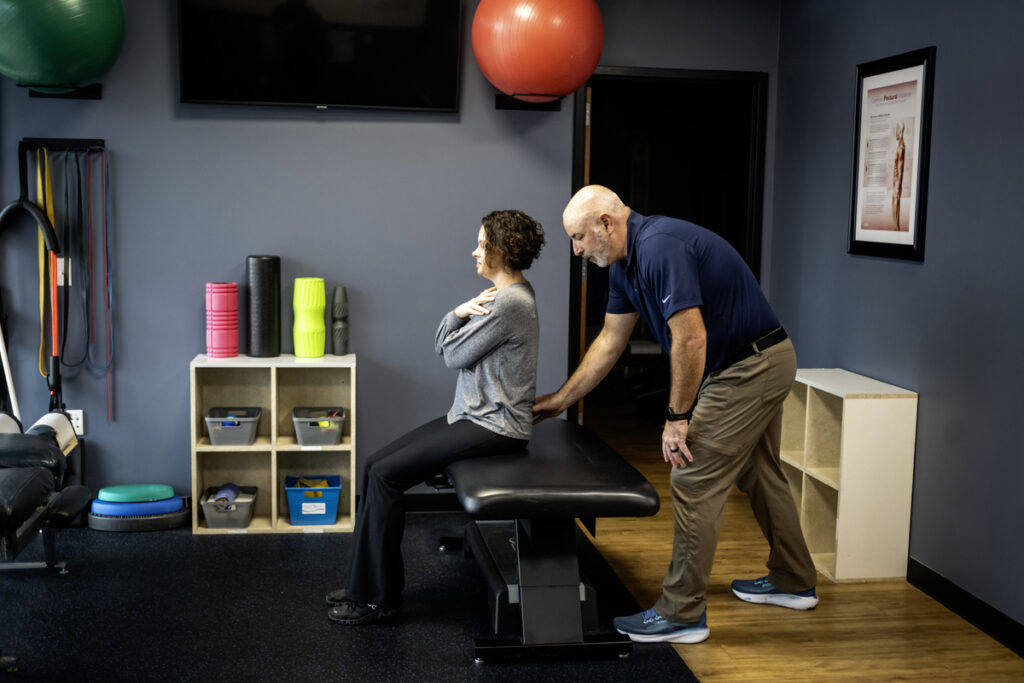
At Dohnal Chiropractic in Nashville, your first appointment will involve a thorough health history review and a detailed physical and postural examination. Dr. Christopher Dohnal will assess your spine’s range of motion, muscle balance, and overall function. From there, he’ll discuss his findings with you and outline a personalized care plan that makes sense for your specific situation.
TL;DR
-
Scoliosis is an abnormal sideways curvature of the spine; the most common type (idiopathic) has no known single cause, though genetics likely play a role.
-
Other causes include neuromuscular conditions, congenital vertebral abnormalities, and spinal degeneration in adults.
-
Common signs include uneven shoulders, an asymmetric waistline, and — especially in adults — back pain and stiffness.
-
Chiropractic care cannot cure scoliosis but can effectively manage symptoms, improve spinal mobility, and reduce muscle tension and pain.
-
Early evaluation is key — the sooner scoliosis is identified and addressed with conservative care, the more options you have available to you.