What Causes Whiplash and How to Find Relief
If you’ve recently been in a car accident or experienced a sudden jolt to your head and neck, you may be wondering what causes whiplash and whether what you’re feeling is normal. The neck pain, stiffness, and headaches that often follow can be unsettling, especially when symptoms don’t show up right away. The good news is that whiplash is a well-understood injury in the chiropractic world, and with the right care, most people can recover and get back to feeling like themselves again.
Here in Nashville, TN, Dr. Christopher Dohnal and the team at Dohnal Chiropractic work with patients dealing with whiplash injuries on a regular basis. Whether your injury happened in a rear-end collision on I-40, during a contact sport, or from an unexpected fall, understanding what’s happening in your body is the first step toward healing. This article walks you through everything you need to know: from the mechanics of a whiplash injury to practical steps you can take right now.
What Is Whiplash?
Whiplash is a neck injury caused by a rapid, forceful back-and-forth movement of the head, similar to the cracking of a whip. This sudden motion can strain or tear the soft tissues of the neck, including muscles, ligaments, and tendons. It most commonly results from rear-end car accidents but can occur in any situation involving abrupt head movement.
- What Causes Whiplash?
- Signs and Symptoms to Watch For
- Why Whiplash Symptoms Are Often Delayed
- How Chiropractic Care Can Help
- Practical Tips for Recovery
- When to See a Chiropractor
- Myths vs. Facts About Whiplash
- Final Thoughts from Dohnal Chiropractic
What Causes Whiplash?
Understanding what causes whiplash starts with understanding how the cervical spine (your neck) responds to sudden force. The neck is remarkably flexible, but that flexibility comes at a cost: it’s also vulnerable to injury when movement happens too fast for the muscles to stabilize and protect it.

When an unexpected force causes your head to snap forward and then backward (or vice versa), the tissues surrounding your cervical vertebrae can be overstretched or torn. The ligaments that hold your vertebrae in place, the muscles that support your head, and even the discs between your vertebrae can all be affected. In more significant impacts, nerve roots can also become irritated or compressed, leading to symptoms that extend beyond the neck itself.
The most common cause of whiplash is a rear-end vehicle collision. Even low-speed accidents (sometimes as slow as 5 to 10 miles per hour) can generate enough force to cause this type of injury. But auto accidents aren’t the only culprit. Contact sports like football, hockey, and rugby are also frequent causes, as are physical altercations, amusement park rides, and falls where the head is whipped suddenly. If you were recently in an accident and are dealing with neck pain, the auto injury chiropractic care team at Dohnal Chiropractic is experienced in evaluating and treating these types of injuries.
It’s also worth noting that the angle of impact matters. A side-on collision or a diagonal hit can create different patterns of strain compared to a straight rear-end impact. This is part of why two people involved in the same accident can walk away with very different symptoms and recovery timelines.
Signs and Symptoms to Watch For
Whiplash symptoms can range from mild discomfort to genuinely debilitating pain, depending on the severity of the injury. The most common symptom is neck pain and stiffness, which can make it difficult to turn your head from side to side or look up and down. Many people also experience tenderness along the back of the neck and into the shoulders.
Headaches are another extremely common symptom, often starting at the base of the skull and radiating forward toward the forehead. These are typically tension-type headaches related to muscle tightness and spinal joint dysfunction in the upper cervical spine. If you’re dealing with post-whiplash headaches, our article on tension headaches vs. migraines can help you better understand what you’re experiencing.
Beyond neck pain and headaches, some people experience dizziness, blurred vision, fatigue, difficulty concentrating (sometimes called “brain fog”), and sleep disturbances. In cases where nerve roots are involved, tingling, numbness, or weakness can travel down one or both arms. If you’re noticing any of these arm-related symptoms, it may be related to what’s happening in the cervical spine, and our resource on why your arm might be hurting can offer more context.
In some individuals, shoulder pain and upper back discomfort accompany the neck symptoms, as the muscles throughout the upper body tighten in response to the original injury. The body’s natural protective response (muscle guarding) can sometimes cause secondary pain that lasts long after the initial trauma has begun to heal.
Why Whiplash Symptoms Are Often Delayed
One of the most confusing aspects of whiplash is that symptoms don’t always appear immediately. After an accident, adrenaline can mask pain signals for hours or even days. It’s entirely common for someone to feel fine right after a collision, only to wake up the next morning with significant neck stiffness and pain.
This delay is one reason why it’s so important to seek an evaluation even if you feel okay after an accident. Inflammation builds gradually in soft tissue injuries, and the full extent of the damage may not become apparent for 24 to 72 hours. Waiting too long to address the injury can allow compensatory movement patterns to develop, which can complicate recovery and lead to chronic pain if left untreated.
At Dohnal Chiropractic in Nashville, Dr. Christopher Dohnal understands that the absence of immediate pain doesn’t mean the absence of injury. A thorough evaluation after any significant trauma to the head and neck is always a smart move.
How Chiropractic Care Can Help
Chiropractic care is widely recognized as one of the most effective conservative approaches for managing whiplash injuries. Rather than relying on medication to mask symptoms, chiropractic focuses on addressing the underlying structural and musculoskeletal issues that are causing your pain. Organizations like the American Chiropractic Association and evidence published through sources like the Spine Journal support conservative care (including chiropractic) as an appropriate first-line treatment for whiplash-associated disorders.
At Dohnal Chiropractic, the approach to whiplash treatment begins with a comprehensive evaluation. Dr. Christopher Dohnal will assess your cervical alignment, joint mobility, muscle tone, and neurological function to understand exactly what’s happening in your spine. From there, care is tailored specifically to your injury and your body. You can learn more about the full range of chiropractic care services available at the practice.
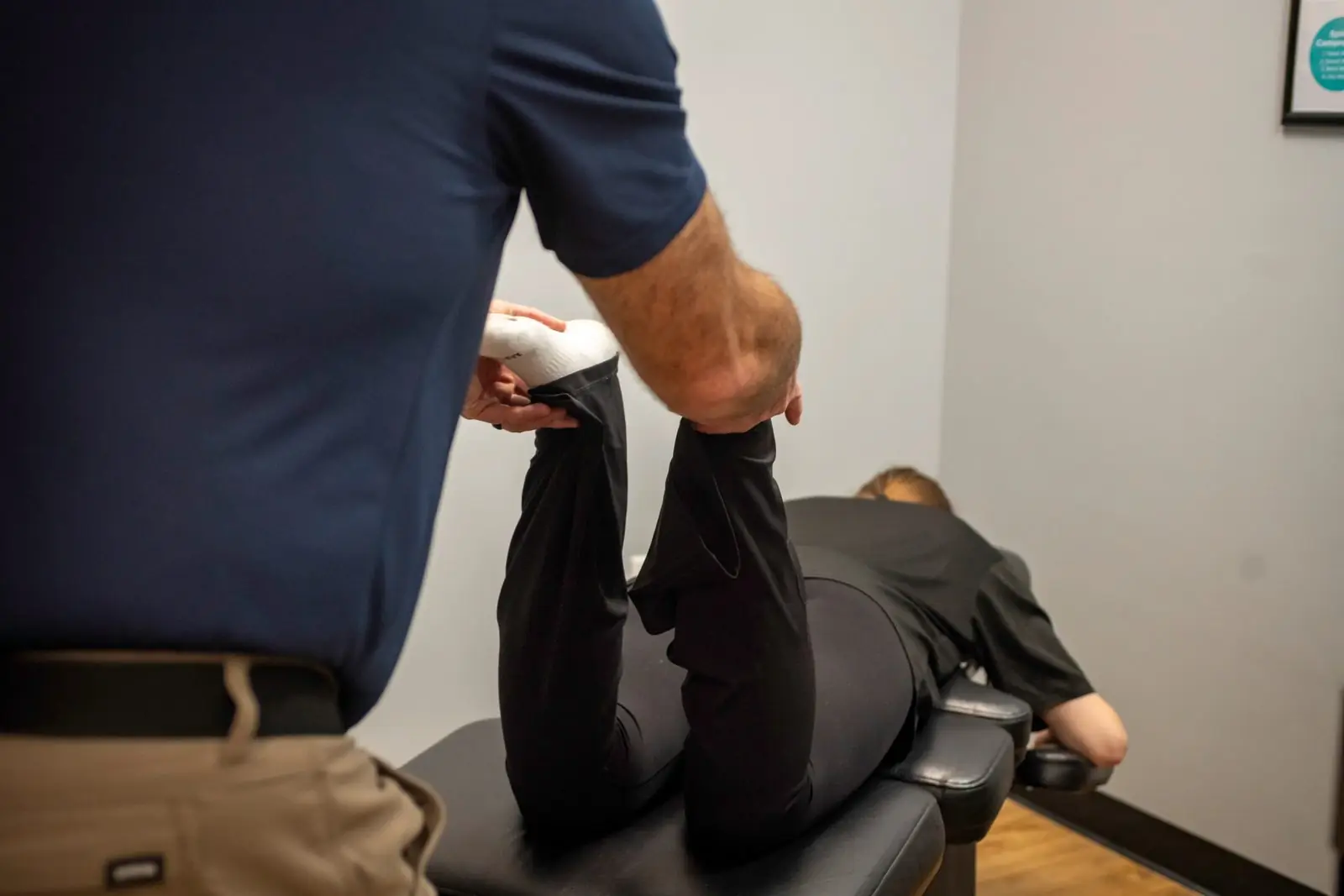
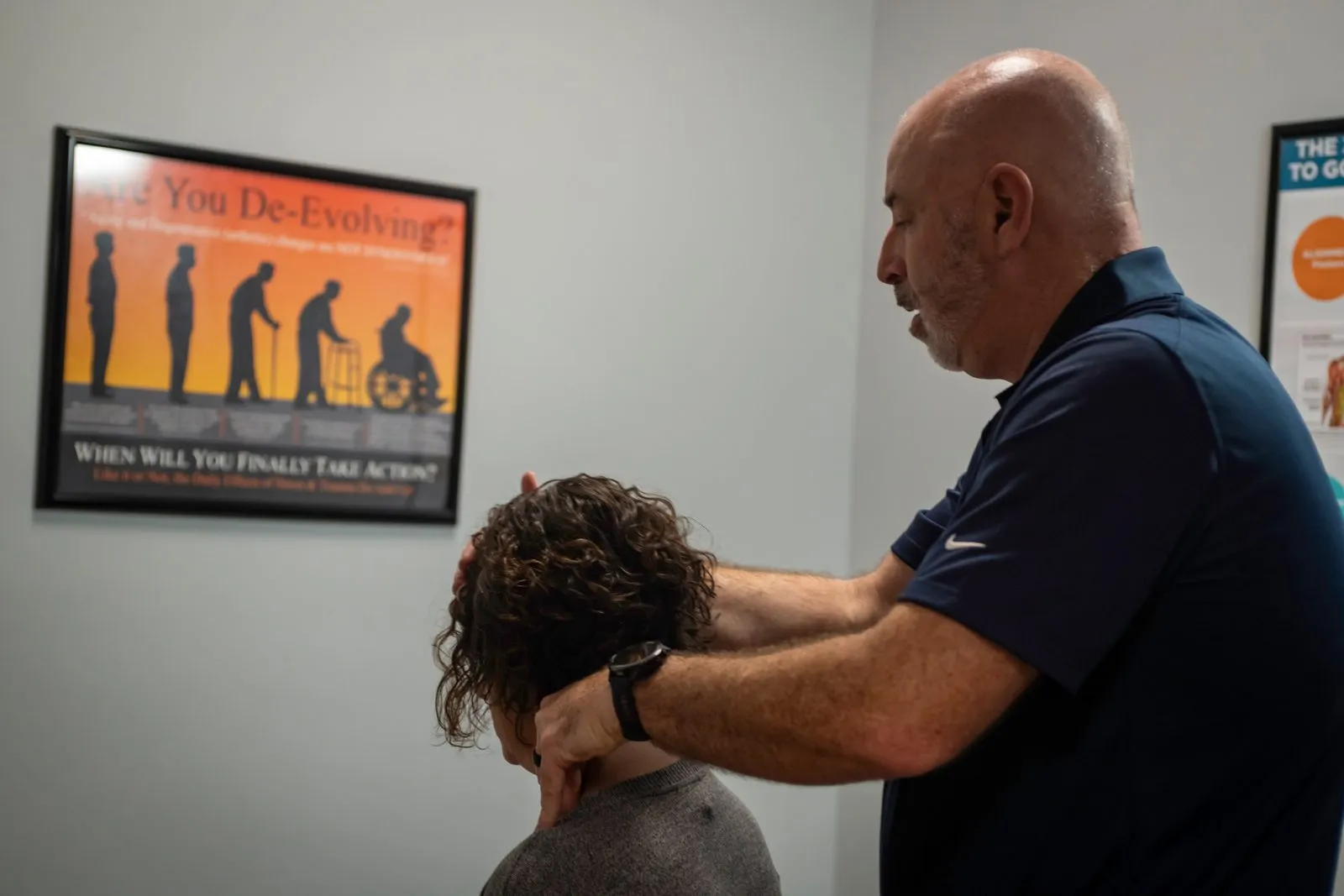
Chiropractic adjustments (also called spinal manipulations) are gentle, targeted movements applied to the spinal joints of the neck to restore proper alignment and motion. These adjustments can help reduce pain, decrease muscle tension, and improve the overall function of the cervical spine. Many patients notice meaningful improvement within the first few visits, though the number of treatments needed varies based on the severity of the injury.
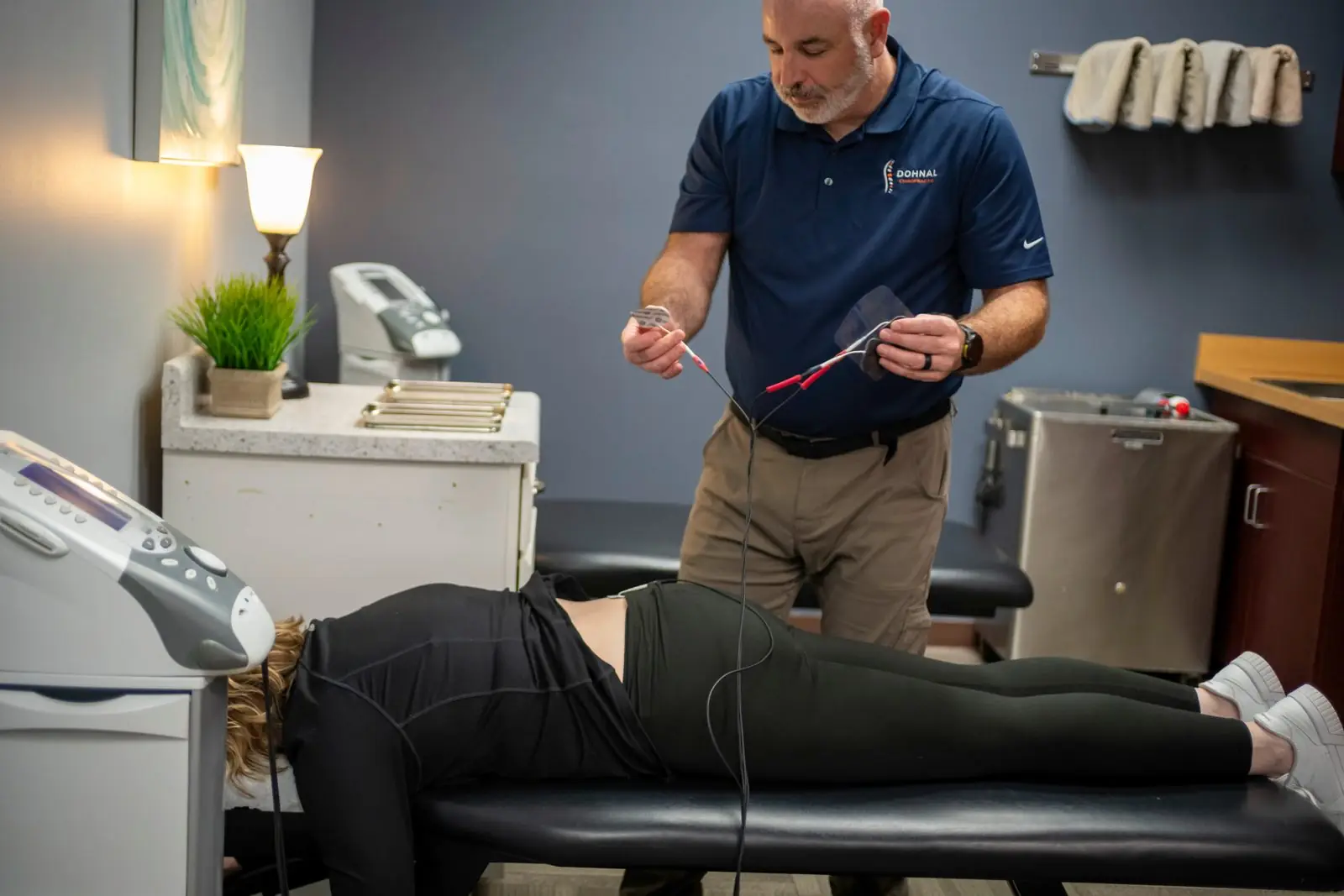
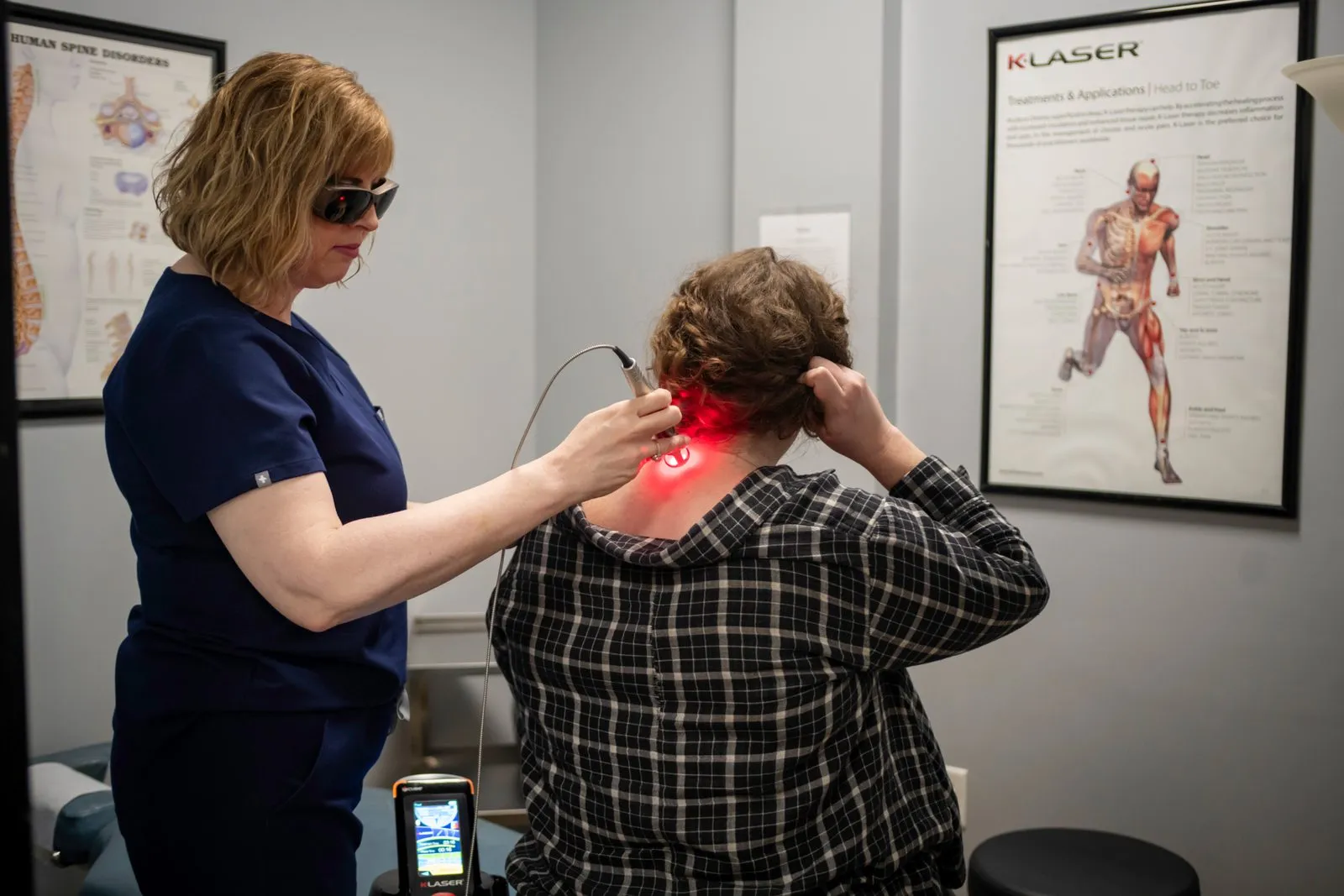
In addition to spinal adjustments, Dr. Christopher Dohnal may incorporate physical therapy modalities such as soft tissue work, therapeutic exercise, and rehabilitative stretching. These approaches help rebuild strength in the supporting muscles of the neck and upper back, reducing the likelihood of re-injury. For patients whose whiplash has affected disc health, spinal decompression therapy may also be an appropriate part of the care plan.
For a deeper look at how chiropractic approaches neck injuries specifically, our article on chiropractic techniques for neck pain explains what you can expect during treatment.
Practical Tips for Recovery
While professional care is essential for a full recovery from whiplash, there are things you can do at home to support the healing process. Here are some practical, safe recommendations that complement chiropractic care:
Stay gently active. Complete bed rest is generally not recommended for whiplash. Light, comfortable movement throughout the day helps prevent the muscles and joints from stiffening up further. Avoid activities that significantly worsen your pain, but try not to become sedentary.
Apply ice in the first 48–72 hours. During the acute phase, ice can help manage inflammation and reduce pain. Apply a cold pack wrapped in a cloth to the back of your neck for 15–20 minutes at a time, several times per day. After the initial inflammation settles, gentle heat can help loosen tight muscles.
Be mindful of your sleeping position. Sleep on your back or side with a supportive, properly sized pillow. Sleeping on your stomach can put significant strain on the cervical spine and may aggravate whiplash symptoms.
Adjust your workspace ergonomics. If you work at a desk, make sure your screen is at eye level so you’re not constantly looking up or down. Prolonged poor posture can slow recovery and add unnecessary strain to already-irritated tissues. Our article on the role of posture in preventing and treating back pain offers helpful guidance that applies to neck health as well.
Avoid prolonged phone use. Looking down at a phone screen for extended periods places a great deal of stress on the cervical spine, sometimes called “tech neck.” During whiplash recovery, this habit can significantly slow progress.
When to See a Chiropractor
If you’ve experienced any kind of sudden impact to the head or neck, whether from a car accident, a fall, or a sports collision, it’s worth scheduling an evaluation even if your symptoms feel mild. Mild whiplash can progress or become chronic without proper treatment, and early intervention generally leads to better outcomes.
You should seek chiropractic care promptly if you notice neck pain or stiffness that doesn’t improve within a few days, recurring headaches following the injury, pain or numbness radiating into the shoulders or arms, or difficulty turning your head. These are signs that the structural tissues of your cervical spine may need professional attention. Our neck pain treatment page provides additional information about how the team at Dohnal Chiropractic approaches these concerns.
There are, however, red flags that warrant immediate medical attention rather than a chiropractic visit as a first step. These include severe neurological symptoms such as sudden weakness in the arms or legs, loss of bladder or bowel control, severe dizziness or inability to stand, or loss of consciousness following an injury. In these situations, go to the nearest emergency room or call 911 right away. Dr. Christopher Dohnal and the Dohnal Chiropractic team are always happy to coordinate care with other healthcare providers when needed.
Whiplash Symptoms vs. Common Triggers
| Symptom | Common Trigger or Cause |
|---|---|
| Neck pain and stiffness | Overstretched muscles and ligaments from rapid head movement |
| Headaches at the base of the skull | Cervical joint dysfunction and upper neck muscle tightness |
| Shoulder and upper back pain | Muscle guarding and compensatory tension patterns |
| Arm tingling or numbness | Nerve root irritation from cervical joint or disc involvement |
| Dizziness or balance issues | Disruption of cervical proprioception; inner ear involvement |
| Fatigue and difficulty concentrating | Pain-related sleep disruption and neurological stress response |
Myths vs. Facts About Whiplash
Myth: Whiplash only happens in high-speed accidents.
Fact: Even low-speed collisions (sometimes as slow as 5 mph) can generate enough force to cause a whiplash injury. The speed of the vehicle doesn’t always predict the severity of the injury. Factors like headrest position, body posture at the time of impact, and the direction of force all play a role.
Myth: If you don’t feel pain right away, you weren’t injured.
Fact: Delayed onset of symptoms is extremely common with whiplash. Adrenaline and the body’s natural inflammatory response can mask pain for hours or even days. Many patients don’t realize the full extent of their injury until 24 to 72 hours after the incident.
Myth: Whiplash injuries always heal on their own with rest.
Fact: While mild cases may resolve with time, untreated whiplash can progress into chronic neck pain and functional limitations. Research suggests that early, active intervention (including chiropractic care and therapeutic exercise) leads to better long-term outcomes than passive rest alone.
Myth: A neck brace is the best treatment for whiplash.
Fact: While cervical collars were once commonly recommended, current evidence suggests that prolonged use of a neck brace can actually slow recovery by weakening the supporting muscles of the neck. A gentle return to movement, combined with hands-on care, is typically a more effective approach.
Myth: Chiropractic adjustments are unsafe for whiplash injuries.
Fact: When performed by a qualified chiropractor following a thorough evaluation, spinal adjustments are considered safe and effective for whiplash-associated disorders. Dr. Christopher Dohnal tailors the approach to each patient’s specific condition, ensuring care is both appropriate and comfortable.
Final Thoughts from Dohnal Chiropractic
Whiplash is one of the most common injuries we see here at Dohnal Chiropractic in Nashville, TN, and one of the most treatable when addressed early and properly. Understanding what causes whiplash is empowering because it removes the mystery and helps you recognize when your body is telling you something important.
Dr. Christopher Dohnal is committed to helping Nashville-area patients recover fully, whether you’re dealing with acute post-accident pain or lingering symptoms that have been bothering you for months. The goal is never just to get you out of pain temporarily; it’s to restore healthy function to your spine so you can live your life without restriction. You can explore more about whiplash treatment at Dohnal Chiropractic and what the care process looks like for patients in our community.
If you’re in Nashville and have recently experienced a whiplash-type injury, or if you’ve been living with unexplained neck pain following an old accident, don’t wait to get evaluated. Your recovery starts with understanding what’s happening and taking that first step toward care. We’re here to help every step of the way.
Frequently Asked Questions About Whiplash
How long does it take to recover from whiplash?
Recovery time varies depending on the severity of the injury and how quickly treatment begins. Mild to moderate cases often improve within a few weeks, while more significant injuries may take several months of consistent care. Early intervention generally leads to faster recovery.
Can whiplash cause long-term problems?
If left untreated, whiplash can contribute to chronic neck pain, recurring headaches, and reduced range of motion. Addressing the injury early with appropriate care significantly reduces the risk of long-term complications.
Is it normal for headaches to follow a whiplash injury?
Yes, headaches are a very common symptom of whiplash, typically stemming from tension in the upper neck muscles and dysfunction in the cervical joints. These headaches often respond well to chiropractic care targeting the cervical spine.
Should I see a chiropractor or a medical doctor first after a whiplash injury?
Either is appropriate, and the two are not mutually exclusive. A chiropractor can provide a thorough musculoskeletal evaluation and begin conservative treatment right away. If there are signs of serious injury such as neurological symptoms or fracture risk, a medical doctor or emergency evaluation should take priority.
What causes whiplash to feel worse in the morning?
Morning stiffness is common with whiplash because the muscles and joints have been in a relatively still position during sleep, allowing inflammation to settle in. Gentle movement, a warm shower, and proper sleeping posture can all help reduce this morning discomfort.
Can whiplash affect areas beyond the neck?
Absolutely. Whiplash can contribute to upper back pain, shoulder discomfort, arm symptoms, dizziness, and even jaw pain, depending on the nature of the injury. Dr. Christopher Dohnal evaluates the full picture to ensure nothing gets overlooked during treatment.
TL;DR: Key Takeaways
- What causes whiplash is a rapid, forceful back-and-forth movement of the head that overstretches the soft tissues and joints of the cervical spine, most commonly from car accidents, sports collisions, or falls.
- Symptoms often include neck pain, stiffness, headaches, shoulder discomfort, and sometimes arm tingling, and they may not appear until 24–72 hours after the injury.
- Early chiropractic evaluation and treatment leads to better outcomes and reduces the risk of chronic pain developing over time.
- Chiropractic care at Dohnal Chiropractic in Nashville, TN addresses whiplash through spinal adjustments, soft tissue therapy, and rehabilitative exercise tailored to each patient.
- Red flags like severe neurological symptoms or loss of consciousness after an injury require emergency medical attention before chiropractic care begins.

Dr. Chris Dohnal has been interested in helping others through health care since he was young. When he experienced an injury as a collegiate cross-country runner, traditional medical professionals were unable to get him back to the sport he loved. On the advice of a family friend Dr. Dohnal sought care from a chiropractor who was able to identify and correct his injury. Dr. Dohnal was sold on pursuing a career of helping others find their return to health and the activities they love through chiropractic.