
If you’ve ever stood up too quickly and felt the room start spinning around you, you know how unsettling vertigo can be. For some people, it’s an occasional nuisance. For others, it’s a daily struggle that disrupts work, sleep, and simple everyday tasks. Understanding what causes vertigo — and what you can actually do about it — is the first step toward feeling stable and confident again. At Dohnal Chiropractic in Nashville, TN, Dr. Christopher Dohnal works with patients who are tired of living with that dizzy, off-balance feeling and are looking for a drug-free, hands-on approach to relief.
What Is Vertigo?
Vertigo is the sensation that you or your surroundings are spinning or moving when they are not. It is not simply feeling lightheaded — it is a specific type of dizziness that often originates in the inner ear or the nervous system. It can come on suddenly, last a few seconds, or persist for hours at a time.
- What Causes Vertigo?
- Understanding the Types of Vertigo
- Signs and Symptoms to Watch For
- The Cervical Spine and Vertigo: The Connection You May Not Know About
- How Chiropractic Care Fits Into Vertigo Treatment
- Practical Tips for Managing Vertigo Day to Day
- When to See a Chiropractor for Vertigo
- Myths vs. Facts About Vertigo
- Final Thoughts from Dohnal Chiropractic in Nashville
What Causes Vertigo?
This is one of the most common questions Dr. Christopher Dohnal hears from patients here in Nashville. The answer is not always simple, because vertigo is a symptom rather than a diagnosis on its own. Several underlying conditions can trigger that spinning sensation, and identifying the root cause is essential to finding lasting relief.
The most common cause of vertigo is a condition called Benign Paroxysmal Positional Vertigo, or BPPV. This occurs when tiny calcium crystals — called otoliths or “ear rocks” — become dislodged inside the inner ear and migrate into the semicircular canals. These canals are responsible for detecting head movement and communicating that information to the brain. When the crystals are out of place, the brain receives inaccurate signals, and the result is a sudden, intense sense of spinning, usually triggered by specific head movements like rolling over in bed or looking up.
Beyond BPPV, other common causes include vestibular neuritis, which is inflammation of the vestibular nerve often linked to a viral infection, and Meniere’s disease, a condition involving fluid buildup in the inner ear that can also cause ringing in the ears and fluctuating hearing loss. These inner-ear conditions represent the majority of vertigo cases and are classified under the umbrella of peripheral vertigo — meaning the issue originates in the ear rather than the brain.
However, there is another category worth understanding: cervicogenic vertigo, sometimes called cervical vertigo. This type is directly linked to dysfunction in the cervical spine — the neck. When the joints, muscles, or nerves in the upper neck are not functioning properly, they can send faulty signals to the brainstem that contribute to dizziness and balance problems. This is where chiropractic care becomes particularly relevant, and it is a major reason why patients in Nashville seek out vertigo treatment at Dohnal Chiropractic.
Understanding the Types of Vertigo
Not all vertigo is the same, and knowing which type you may be experiencing can help guide the right treatment path. There are two broad categories: peripheral vertigo and central vertigo.
Peripheral vertigo originates in the inner ear and accounts for the vast majority of cases. BPPV, vestibular neuritis, and Meniere’s disease all fall under this category. Symptoms tend to come in episodes and are often triggered by position changes. This type, while distressing, is generally not associated with a serious neurological problem.
Central vertigo, on the other hand, originates in the brain or brainstem. It can be associated with conditions like migraines, multiple sclerosis, or in rare cases, stroke. Central vertigo tends to be more constant and may be accompanied by other neurological symptoms such as double vision, difficulty swallowing, or weakness in the limbs. It is important to rule out central causes, which is why a proper evaluation is always the right starting point.
Cervicogenic vertigo, as mentioned, sits in its own space. It does not fit perfectly into either category, but it is a well-recognized clinical presentation that responds well to manual therapies including chiropractic adjustments. Many patients who come to see Dr. Christopher Dohnal have had their inner ears evaluated and cleared, but are still experiencing dizziness — and the cervical spine is often where the answer lies.

Signs and Symptoms to Watch For
Understanding what causes vertigo is easier when you can clearly identify what you are experiencing. Vertigo itself is the primary symptom, but it rarely travels alone. Patients at Dohnal Chiropractic in Nashville often describe a cluster of accompanying sensations that help paint the full picture.
The spinning sensation is the hallmark — a feeling that either you or the room is rotating, even when you are perfectly still. This is often accompanied by nausea and sometimes vomiting, particularly when the episode is severe. Balance problems are common, making it difficult to walk in a straight line or stand without swaying. Some people notice their eyes moving involuntarily in a rhythmic pattern, a clinical sign called nystagmus that providers look for during evaluation.
When vertigo is related to neck dysfunction, patients frequently also report neck pain or stiffness, reduced range of motion in the cervical spine, and sometimes headaches at the base of the skull. These accompanying signs can be a strong indicator that the cervicogenic pathway is involved. If you are also dealing with frequent headaches or migraines, it is worth discussing all of your symptoms together with a qualified provider, because these issues are often connected.
The Cervical Spine and Vertigo: The Connection You May Not Know About
Here in Nashville, one of the most important conversations Dr. Christopher Dohnal has with vertigo patients is about the relationship between the upper cervical spine and the vestibular system. Many people are surprised to learn just how closely these two systems are intertwined.
The upper cervical spine — specifically the C1 and C2 vertebrae at the very top of the neck — houses proprioceptive receptors. These are sensory receptors that constantly send signals to the brain about the position of your head in space. When the joints in this region are restricted or misaligned, those signals can become garbled. The brain then receives conflicting information — one set of signals from the inner ear and another inaccurate set from the neck — and the result is dizziness, disorientation, and that uncomfortable spinning feeling.
Whiplash injuries and other trauma to the neck are a well-recognized contributing factor to vertigo. If you have been in an auto accident and developed dizziness afterward, this connection is worth exploring. At Dohnal Chiropractic, Dr. Dohnal provides auto injury chiropractic care that addresses exactly these kinds of post-trauma presentations, where neck dysfunction is at the root of ongoing symptoms.
Poor posture is another contributing factor that is often overlooked. Extended periods of forward head posture — common with prolonged computer or phone use — place significant mechanical stress on the upper cervical joints and surrounding muscles. Over time, this can contribute to joint restriction and muscle tension that disrupts normal proprioceptive signaling. If you are curious about the long-term consequences of postural habits, it is worth reading about the cost of poor posture that you don’t see until later in life.
How Chiropractic Care Fits Into Vertigo Treatment
Chiropractic care offers a non-invasive, drug-free approach to addressing vertigo, particularly when cervical spine dysfunction is involved. At Dohnal Chiropractic, the approach begins with a thorough evaluation to understand your history, identify the likely cause, and determine whether chiropractic care is appropriate for your specific situation.
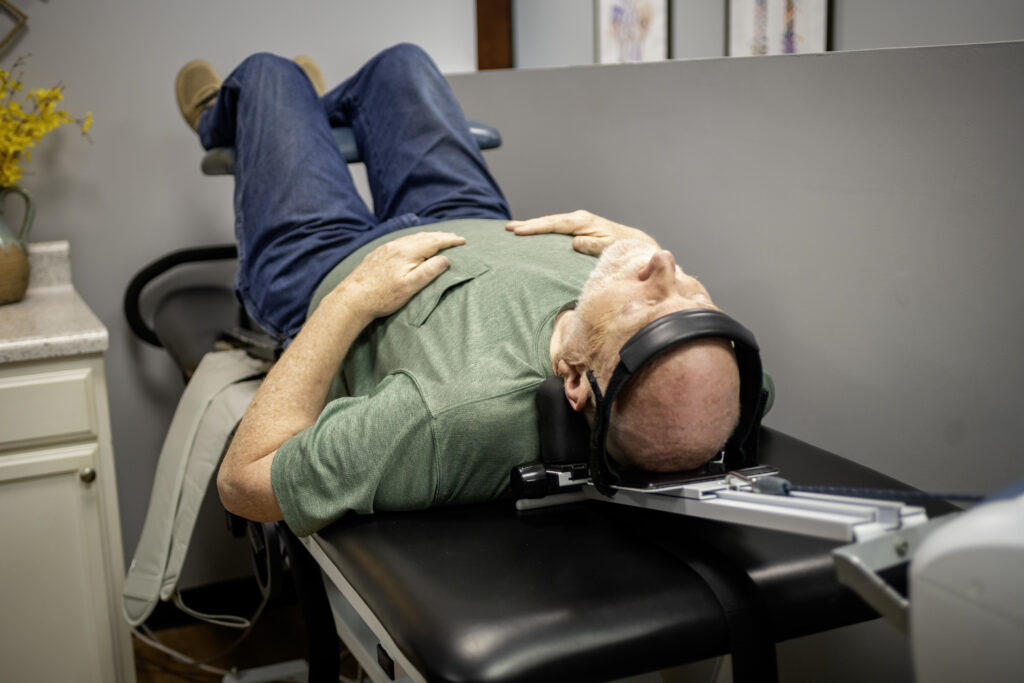
For BPPV specifically, one of the most effective interventions is a maneuver called the Epley maneuver, which involves a specific series of guided head movements designed to reposition the dislodged crystals back into the correct part of the inner ear. Many chiropractors are trained in this technique and can perform it in-office. Evidence from multiple clinical reviews supports the Epley maneuver as a highly effective first-line treatment for BPPV.
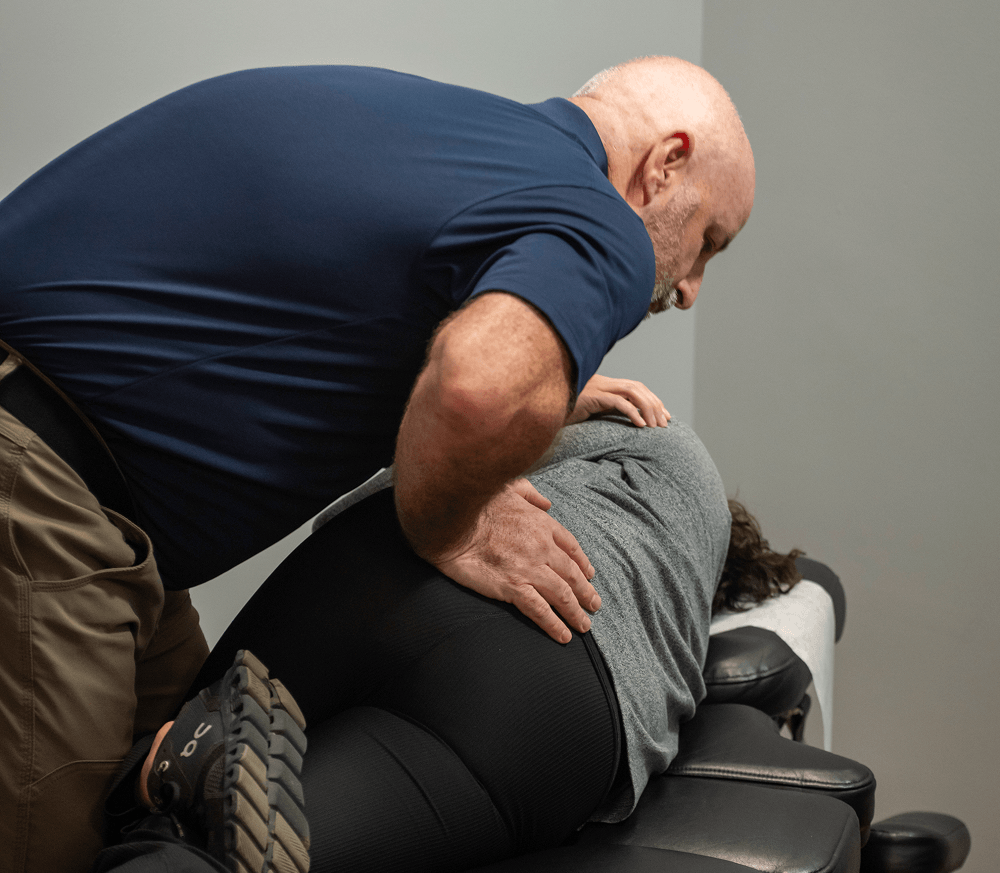
For cervicogenic vertigo, Dr. Christopher Dohnal may use gentle chiropractic adjustments to the upper cervical spine to restore proper joint motion and reduce the faulty signaling that contributes to dizziness. Soft tissue work, mobilization, and targeted rehabilitative exercises may also be incorporated to address muscle tension and improve overall cervical stability. The chiropractic care provided at Dohnal Chiropractic is always individualized — no two patients present exactly the same way, and treatment reflects that.
When appropriate, physical therapy may complement chiropractic care. Vestibular rehabilitation exercises are a proven method for helping the brain adapt to and compensate for vestibular dysfunction. The physical therapy services at Dohnal Chiropractic can be integrated with chiropractic adjustments to create a comprehensive, coordinated plan.
It is also worth noting that ongoing wellness chiropractic care plays a role in prevention. Keeping the cervical spine mobile and well-aligned through regular maintenance care may help reduce the frequency of vertigo episodes in those who are prone to them.
Practical Tips for Managing Vertigo Day to Day
While professional evaluation and treatment are important, there are practical steps you can take at home to manage symptoms and reduce your risk of triggering episodes.
Move slowly and deliberately when changing positions. Getting up from bed too quickly is one of the most common vertigo triggers for people with BPPV. Try sitting on the edge of the bed for a moment before fully standing, and avoid sudden head movements when possible during an active episode.
Pay attention to your sleeping position. Many people with BPPV find that sleeping with the head slightly elevated — using an extra pillow — can help reduce the likelihood of nighttime and morning episodes. Avoid sleeping flat on your back or with your head tilted back, as this can encourage the repositioning of ear crystals in an aggravating direction.
Stay hydrated. Dehydration can worsen dizziness and fatigue, particularly if your vestibular system is already compromised. This is a simple step, but it matters more than most people realize.
Reduce screen time during episodes. Visual stimulation — especially scrolling on a phone or watching fast-moving content — can intensify dizziness when the vestibular system is dysregulated. Give your nervous system a break during active flare-ups.
Address your posture proactively. If you spend long hours at a desk or looking at your phone, incorporating regular breaks and gentle neck stretches can help reduce the chronic muscular tension that contributes to cervicogenic dizziness.
When to See a Chiropractor for Vertigo
If you have been experiencing recurring bouts of dizziness, it is time to have it evaluated professionally. You do not need to wait until it becomes debilitating. In fact, the earlier you address the underlying cause, the better your outcomes tend to be.
Chiropractic care is particularly worth exploring if your vertigo comes on with specific head or neck movements, if you have a history of neck injury or whiplash, if you notice accompanying neck stiffness or headaches, or if your symptoms have persisted despite other treatments. These patterns suggest that the cervical spine may be playing a significant role.
There are, however, situations where vertigo requires urgent medical attention rather than chiropractic care. You should seek emergency evaluation if your vertigo comes on suddenly and severely without an obvious trigger, if it is accompanied by slurred speech, facial drooping, sudden severe headache, double vision, difficulty walking, or weakness on one side of the body. These can be signs of a central nervous system event such as a stroke, and they require immediate medical care. Dr. Christopher Dohnal and the team at Dohnal Chiropractic are always committed to making appropriate referrals when the situation calls for it.
| Vertigo Type | Common Trigger | Key Symptoms | Chiropractic Role |
|---|---|---|---|
| BPPV | Head position changes (rolling over, looking up) | Brief spinning episodes, nausea, nystagmus | Epley maneuver, repositioning techniques |
| Cervicogenic Vertigo | Neck movement, poor posture, prior neck injury | Dizziness with neck pain, stiffness, headaches | Cervical adjustments, soft tissue therapy, rehab exercises |
| Vestibular Neuritis | Viral infection, inflammation of vestibular nerve | Constant dizziness, difficulty balancing | Supportive care, vestibular rehab collaboration |
| Meniere’s Disease | Inner ear fluid buildup | Episodes with tinnitus, hearing changes, fullness in ear | Supportive role, co-management with specialist |
| Central Vertigo | Brain or brainstem dysfunction | Constant dizziness, neurological signs | Referral to appropriate medical provider |
Myths vs. Facts About Vertigo
Myth: Vertigo is just another word for being dizzy or lightheaded.
Fact: Vertigo is a specific type of dizziness characterized by a spinning or rotational sensation. Lightheadedness — feeling faint or woozy — is a different experience with different causes. Knowing the distinction helps ensure you receive the right evaluation and care.
Myth: There is nothing you can do about vertigo except wait for it to go away.
Fact: Many types of vertigo, especially BPPV, respond very well to specific treatments. The Epley maneuver, chiropractic adjustments, and vestibular rehabilitation exercises have all been shown to provide meaningful relief. Passively waiting is rarely the best strategy.
Myth: Vertigo only happens to older adults.
Fact: While vertigo does become more common with age, it can affect people of any age group. Younger adults, athletes, and even adolescents can experience vertigo related to inner ear dysfunction, neck injury, or other causes. At Dohnal Chiropractic in Nashville, Dr. Christopher Dohnal sees patients across a wide range of ages presenting with dizziness and balance issues.
Myth: If your vertigo is not severe, it is not worth treating.
Fact: Even mild or intermittent vertigo can significantly impact quality of life, increase fall risk, and interfere with daily activities. It can also worsen over time if the underlying cause is not addressed. Seeking care early is always a better approach than managing a more entrenched problem later.
Myth: Chiropractic care is not appropriate for a condition that involves the ears.
Fact: Chiropractic care is not about the ears themselves, but about the nervous system, joint function, and the relationship between the cervical spine and the vestibular system. For cervicogenic vertigo and BPPV specifically, evidence suggests that chiropractic interventions can be genuinely helpful as part of a comprehensive care plan.
Final Thoughts from Dohnal Chiropractic in Nashville
Living with vertigo is exhausting. The unpredictability of it — never quite knowing when the room will start spinning — creates anxiety and limits how fully you can participate in your life. But it does not have to stay that way. Understanding what causes vertigo is the foundation for doing something meaningful about it, and there are real, evidence-based options available that do not rely on medication or surgery.
Here in Nashville, the team at Dohnal Chiropractic is committed to helping patients get to the root of their symptoms. Dr. Christopher Dohnal takes the time to listen, evaluate thoroughly, and develop care plans that make sense for each individual. Whether your vertigo stems from a cervical spine issue, a displaced ear crystal, or a combination of factors, there is a path forward — and you do not have to figure it out alone.
If you or someone you care about is struggling with dizziness, balance problems, or recurring vertigo episodes, we encourage you to reach out and start that conversation. Nashville deserves access to thoughtful, patient-centered care — and that is exactly what Dohnal Chiropractic is here to provide.
Frequently Asked Questions
Can a chiropractor actually help with vertigo?
Yes, in many cases. For vertigo related to cervical spine dysfunction, chiropractic adjustments to the upper neck can help restore normal joint motion and reduce the faulty neurological signals that contribute to dizziness. For BPPV, chiropractors trained in the Epley maneuver can often provide significant relief in just one or a few sessions.
How do I know if my vertigo is coming from my neck?
Cervicogenic vertigo is often suspected when dizziness occurs alongside neck pain or stiffness, follows a neck injury, or is triggered by specific neck movements. A thorough evaluation with a qualified provider like Dr. Christopher Dohnal can help determine whether the cervical spine is involved in your symptoms.
Is vertigo dangerous?
Most vertigo is not dangerous in itself, but it does increase the risk of falls, particularly in older adults. In rare cases, vertigo can be a sign of a more serious neurological condition. Any vertigo accompanied by sudden severe headache, speech difficulty, facial drooping, or limb weakness should be evaluated in an emergency setting immediately.
How long does vertigo typically last?
It depends on the cause. BPPV episodes typically last seconds to minutes and may recur over days or weeks. Vestibular neuritis can cause days of continuous dizziness that gradually improves. Cervicogenic vertigo may be more persistent until the underlying neck dysfunction is addressed. Many people experience significant improvement with appropriate treatment.
Can vertigo come back after treatment?
Yes, recurrence is possible, particularly with BPPV, which has a known recurrence rate. However, recurring cases can typically be retreated successfully. Ongoing cervical spine care, good posture habits, and vestibular exercises can all play a role in reducing the likelihood of future episodes.
Should I see a chiropractor or a medical doctor for vertigo?
Both have a role depending on your situation. A medical evaluation is important to rule out serious central causes, particularly if you have neurological symptoms. For most common vertigo presentations — especially BPPV and cervicogenic vertigo — chiropractic care is a well-supported conservative option and a natural starting point for many patients.
TL;DR
- Vertigo is a spinning sensation caused by dysfunction in the inner ear, cervical spine, or central nervous system — it is a symptom, not a diagnosis.
- The most common cause is BPPV, where displaced ear crystals disrupt balance signals; cervicogenic vertigo involving the upper neck is another significant cause.
- Chiropractic care — including the Epley maneuver and cervical adjustments — is a non-invasive, drug-free option that research supports for several types of vertigo.
- Red flags like sudden severe headache, facial drooping, or limb weakness alongside dizziness require emergency medical evaluation, not chiropractic care.
- At Dohnal Chiropractic in Nashville, TN, Dr. Christopher Dohnal provides individualized evaluation and care for patients struggling with vertigo and related balance issues.