
If you’ve ever felt a sharp, shooting pain radiating from your lower back down through your leg, you know how disruptive sciatic pain can be. It affects everything — your ability to work, sleep, exercise, and even perform simple daily tasks like sitting in a chair or bending over to tie your shoes. Many people who experience this type of pain aren’t sure where to turn, often cycling through temporary fixes that don’t address the underlying cause. Here in Nashville, TN, we see patients at Dohnal Chiropractic who are frustrated, exhausted, and looking for a solution that doesn’t involve surgery or relying on pain medications long-term. The good news? Chiropractic care offers a conservative, non-invasive approach that may help address the root causes of sciatic pain and support your body’s natural healing process.
This article will explain what sciatic pain really is, why it happens, and how chiropractic adjustments fit into a comprehensive care plan. Whether you’re dealing with occasional flare-ups or chronic discomfort, understanding your options is the first step toward reclaiming your quality of life.
What Is Sciatic Pain?
Sciatic pain, also called sciatica, refers to pain that follows the path of the sciatic nerve. This nerve runs from the lower back through the hips and buttocks and down each leg. When this nerve becomes compressed, irritated, or inflamed, it can cause pain, tingling, numbness, or weakness anywhere along its path. Sciatica is not a condition itself — it’s a symptom of an underlying issue affecting the sciatic nerve.
Table of Contents
- What Is Sciatic Pain?
- Common Causes of Sciatic Pain
- Signs and Symptoms You Shouldn’t Ignore
- How Chiropractic Adjustments Help Alleviate Sciatic Pain
- What to Expect During Chiropractic Care for Sciatica
- Practical Tips for Managing Sciatic Pain at Home
- When to See a Chiropractor for Sciatic Pain
- Treatment Approaches Comparison
- Myths vs. Facts About Sciatica and Chiropractic Care
- Final Thoughts from Dohnal Chiropractic
Common Causes of Sciatic Pain
Understanding why sciatic pain happens is key to addressing it effectively. The sciatic nerve can become irritated or compressed for several reasons, and identifying the underlying cause helps guide the most appropriate care approach.
Herniated or Bulging Discs
One of the most common culprits behind sciatica is a herniated or bulging disc in the lumbar spine. The intervertebral discs act as cushions between the vertebrae, and when one of these discs shifts out of place or ruptures, it can press directly on the sciatic nerve root. This compression leads to inflammation and the classic radiating pain down the leg.
Spinal Stenosis
Spinal stenosis is a narrowing of the spinal canal, often related to age-related changes in the spine. When the canal narrows, it can put pressure on the nerve roots, including those that form the sciatic nerve. This condition tends to develop gradually and may worsen over time without intervention.
Piriformis Syndrome
The piriformis muscle is located deep in the buttock, and the sciatic nerve runs underneath or sometimes through it. When this muscle becomes tight or spasms, it can compress the sciatic nerve, causing pain that mimics traditional sciatica. This condition is sometimes overlooked but responds well to conservative care approaches.
Degenerative Disc Disease
As we age, the discs in our spine naturally lose hydration and height. This degeneration can lead to instability, inflammation, and nerve irritation. While degenerative changes are common, they don’t always cause pain — but when they do, sciatica is a frequent symptom.
Spondylolisthesis
This condition occurs when one vertebra slips forward over the one below it. The slippage can narrow the space available for nerves and lead to compression of the sciatic nerve roots. It may result from degeneration, injury, or structural abnormalities in the spine.
Lifestyle and Postural Factors
Prolonged sitting, poor posture, repetitive bending, heavy lifting, and excess body weight can all contribute to sciatic pain. These factors place added stress on the lumbar spine and surrounding muscles, increasing the likelihood of nerve irritation over time.
Signs and Symptoms You Shouldn’t Ignore
Sciatica presents differently for everyone, but there are hallmark signs that suggest the sciatic nerve is involved. Recognizing these symptoms early can help you seek appropriate care before the problem worsens.
The most common symptom is a sharp, shooting pain that travels from the lower back or buttock down the back of the thigh and into the calf or foot. This pain typically affects only one side of the body. Some people describe it as an electric shock or burning sensation.
In addition to pain, you may experience tingling, numbness, or a “pins and needles” feeling along the nerve pathway. Weakness in the affected leg is also common, making it difficult to lift your foot or push off when walking. You might notice that certain movements — like sitting, standing up, coughing, or sneezing — make the pain worse.
In some cases, sciatica can cause difficulty controlling the bladder or bowels, which is a medical emergency known as cauda equina syndrome. If you experience these symptoms along with severe leg weakness or numbness in the groin area, seek immediate medical attention.
Most cases of sciatica, however, fall into the category of mechanical nerve irritation that can be addressed through conservative care, including chiropractic adjustments.
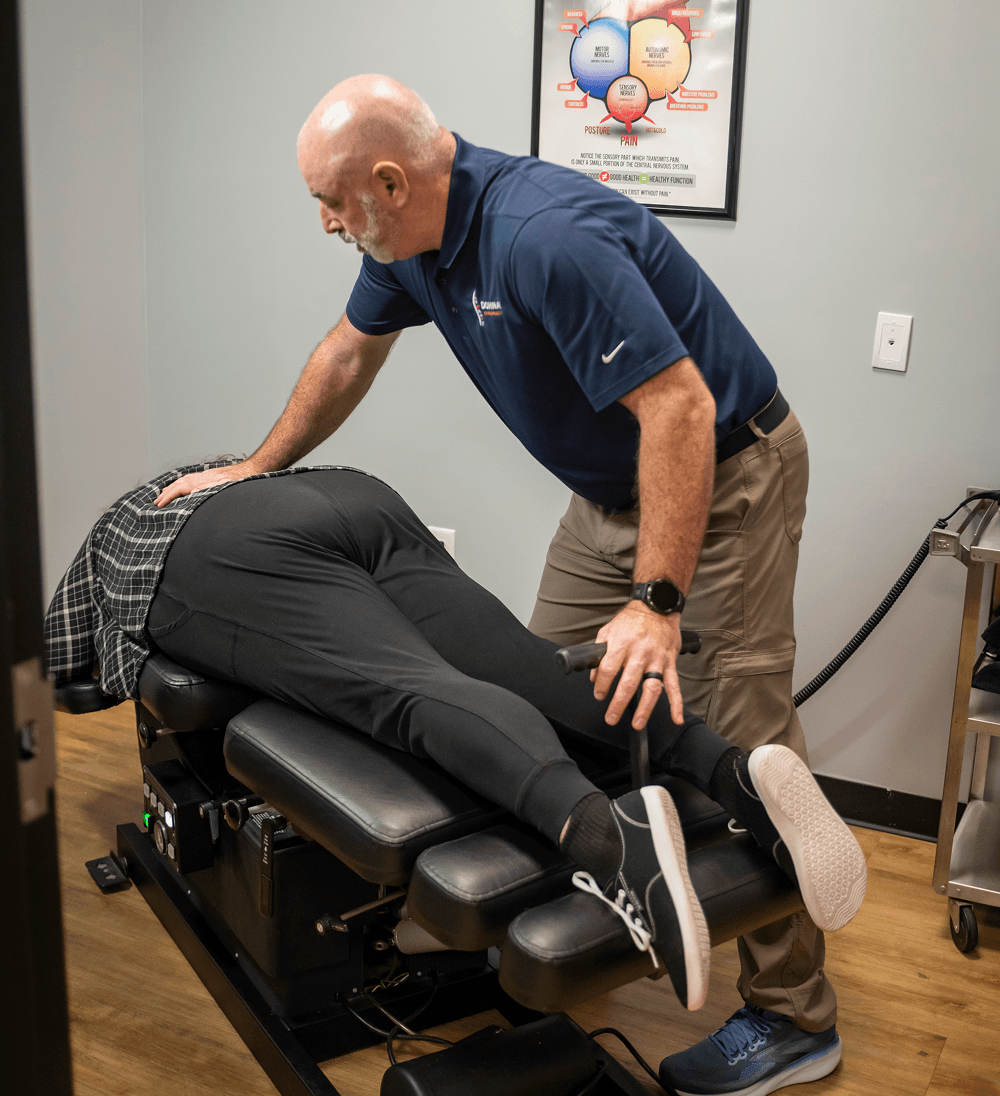
How Chiropractic Adjustments Help Alleviate Sciatic Pain
Chiropractic care is rooted in the principle that the body functions best when the spine is properly aligned and the nervous system is free from interference. When vertebrae are misaligned or joints aren’t moving correctly, it can lead to inflammation, muscle tension, and nerve compression — all of which contribute to sciatic pain.
Restoring Proper Spinal Alignment
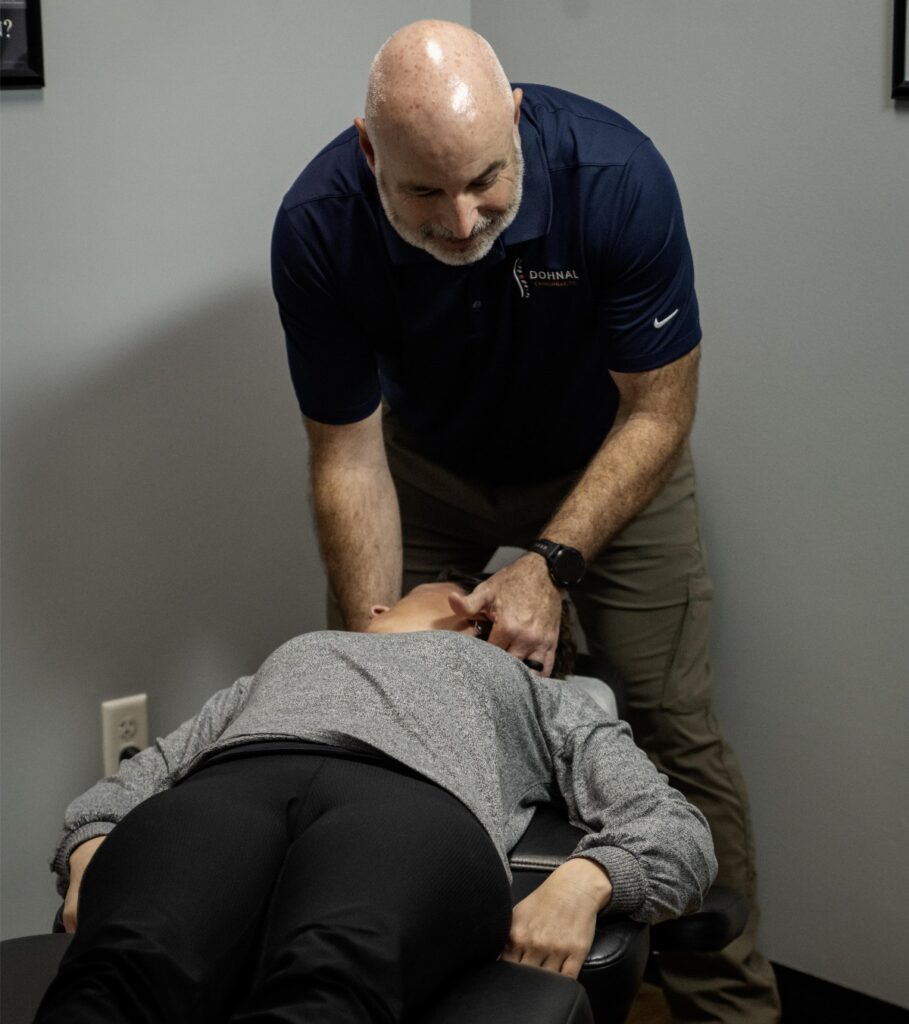
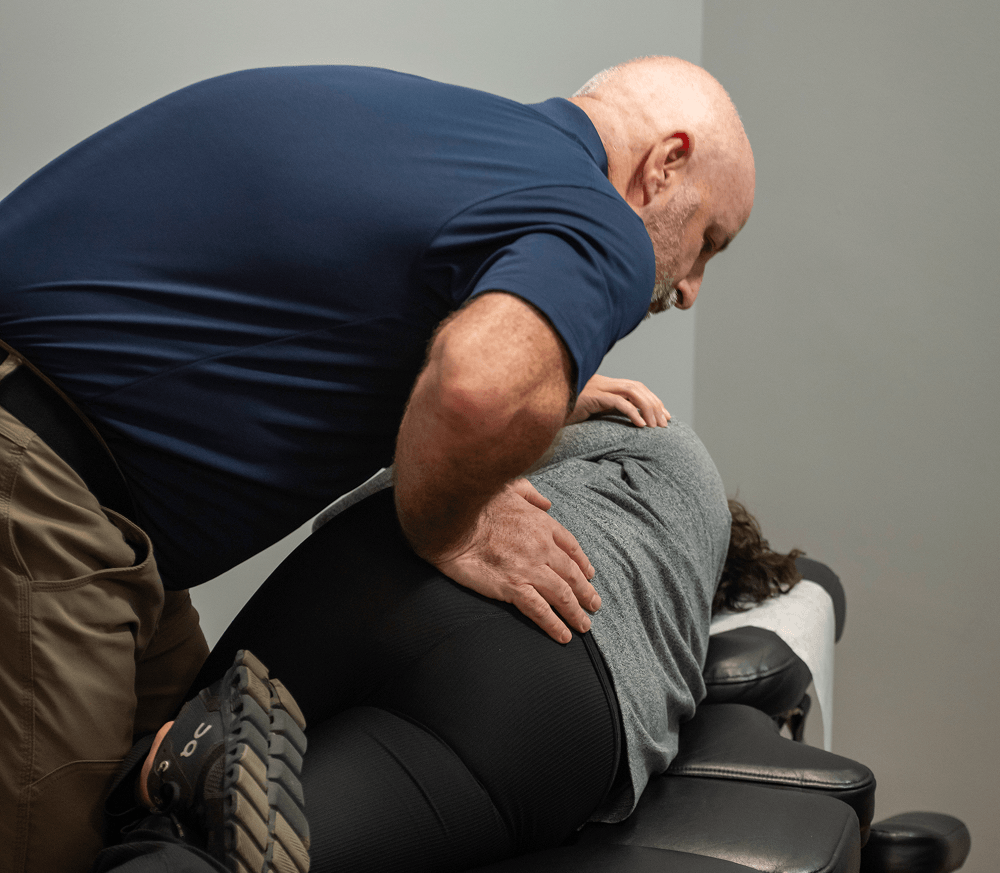
Chiropractic adjustments involve applying controlled, precise force to specific areas of the spine to restore proper alignment and improve joint mobility. When the lumbar vertebrae are properly aligned, pressure on the sciatic nerve is reduced, allowing inflammation to decrease and the nerve to function more normally.
Research suggests that spinal manipulation may reduce pain and improve function in patients with sciatica, particularly when the pain is related to disc herniation or spinal misalignment. The goal is not just to “crack your back,” but to restore normal biomechanics and reduce mechanical stress on the nerve.
Reducing Inflammation and Muscle Tension
Chiropractic adjustments can help reduce localized inflammation around the affected nerve and decrease muscle spasms that contribute to pain. When the spine moves better, surrounding muscles relax, circulation improves, and the body’s natural healing processes are supported.
Dr. Christopher Dohnal often combines spinal adjustments with soft tissue techniques to address tight muscles, trigger points, and fascial restrictions that may be contributing to sciatic nerve irritation. This comprehensive approach addresses both the joint dysfunction and the muscular imbalances that often accompany sciatica.
Improving Nervous System Function
The nervous system controls every function in your body, and when nerve pathways are compressed or irritated, communication between the brain and body is disrupted. Chiropractic care aims to remove interference in the nervous system, allowing your body to heal more effectively and function optimally.
By restoring proper spinal function and reducing nerve irritation, chiropractic adjustments may help improve not only your pain levels but also your overall mobility, strength, and quality of life.
A Drug-Free, Non-Surgical Approach
One of the primary benefits of chiropractic care for sciatica is that it offers a conservative, non-invasive option before considering more aggressive interventions. Many patients prefer to explore natural, drug-free approaches first, and evidence indicates that chiropractic care can be effective for managing musculoskeletal causes of sciatica.
At Dohnal Chiropractic in Nashville, we focus on individualized care plans tailored to your specific condition, lifestyle, and health goals. Every patient is different, and care is adjusted based on your unique needs and response to treatment.
What to Expect During Chiropractic Care for Sciatica
If you’re considering chiropractic care for sciatic pain, it’s helpful to know what the process looks like. Understanding what to expect can ease any concerns and help you feel more confident moving forward.
Comprehensive Evaluation
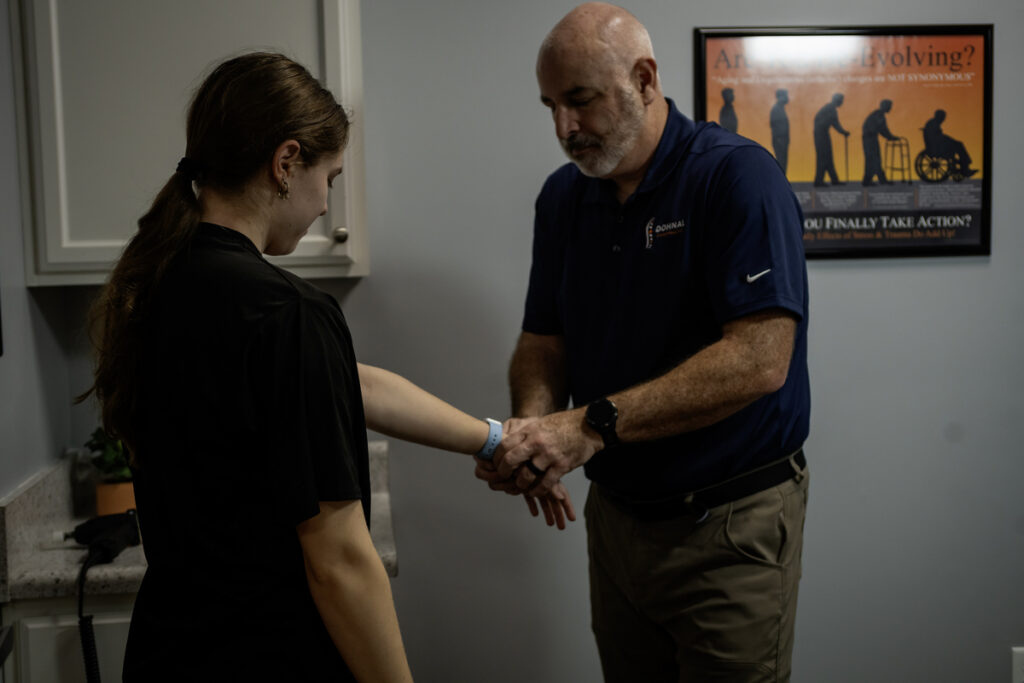
Your first visit will involve a thorough history and examination. Dr. Christopher Dohnal will ask about your symptoms, when they started, what makes them better or worse, and how they’re affecting your daily life. He’ll also perform orthopedic and neurological tests to assess nerve function, range of motion, and areas of tenderness or misalignment.
Imaging such as X-rays or MRI may be reviewed if available, or recommended if needed to rule out serious underlying conditions. The goal is to identify the root cause of your sciatic pain and determine whether chiropractic care is appropriate for your situation.
Personalized Treatment Plan
Based on the findings, a personalized care plan will be developed. This plan may include spinal adjustments, soft tissue therapy, therapeutic exercises, and lifestyle recommendations. The frequency and duration of care will depend on the severity of your condition, how long you’ve been experiencing symptoms, and how your body responds to treatment.
Some patients experience relief after just a few visits, while others with chronic or more complex cases may require ongoing care over several weeks or months. Transparency and communication are key — you’ll always know what to expect and why certain approaches are being recommended.
Adjustments and Techniques
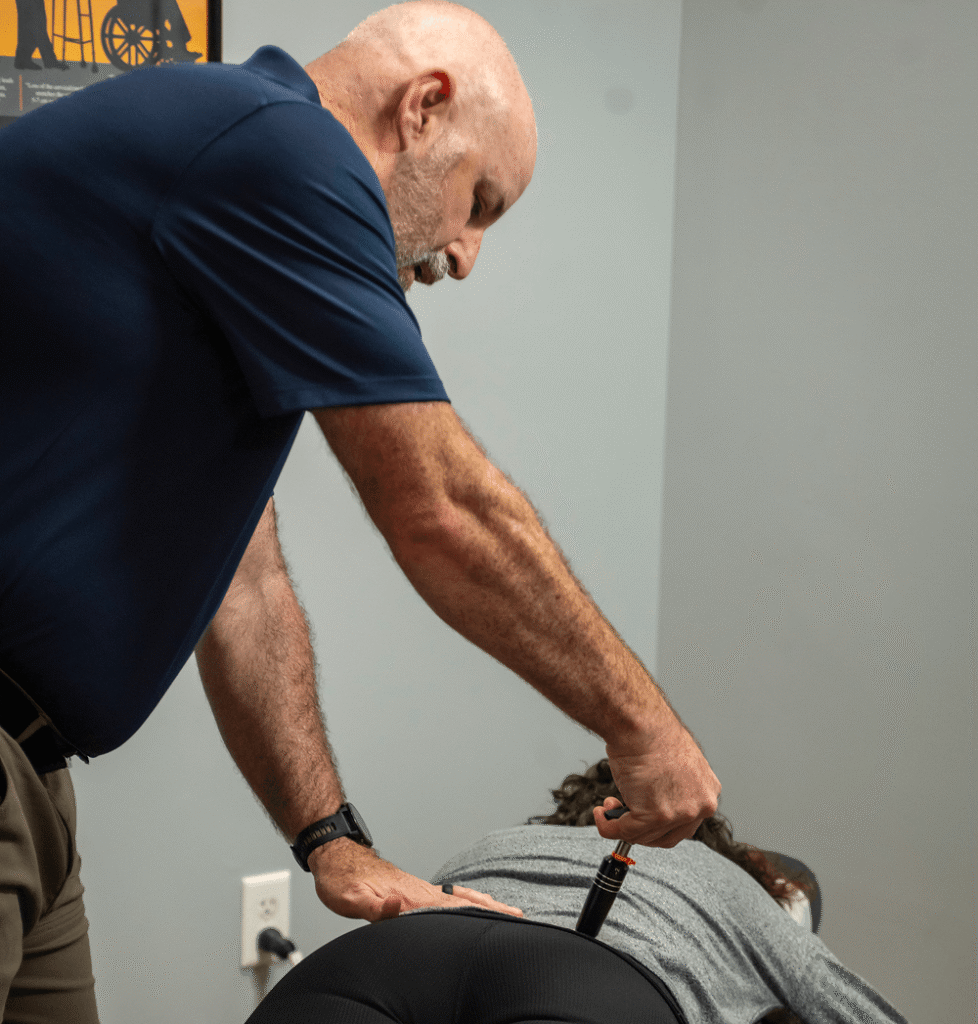
Chiropractic adjustments for sciatica typically focus on the lumbar spine, pelvis, and surrounding joints. Techniques may include manual adjustments, instrument-assisted adjustments, or low-force methods depending on your comfort level and clinical needs. The adjustments are designed to restore motion, reduce nerve irritation, and improve overall spinal function.
Many patients find the adjustments relieving and notice an improvement in pain and mobility soon after treatment. It’s common to feel some soreness or stiffness in the first day or two as your body adjusts, similar to the feeling after a workout.
Supportive Therapies
In addition to adjustments, your care plan may include stretches, strengthening exercises, and ergonomic advice to support long-term recovery and prevent future flare-ups. Education is a big part of chiropractic care — understanding how your daily habits contribute to your pain empowers you to take an active role in your healing.
Practical Tips for Managing Sciatic Pain at Home
While chiropractic care addresses the underlying causes of sciatica, there are several things you can do at home to support your recovery and reduce pain between visits.
Maintain Good Posture
Poor posture, especially during prolonged sitting, places extra stress on the lumbar spine and can aggravate sciatic pain. Sit with your feet flat on the floor, your back supported, and avoid slouching or crossing your legs. Consider using a lumbar support cushion if you sit for long periods.
Stay Active with Gentle Movement
While rest may feel good initially, prolonged inactivity can make sciatica worse. Gentle movement helps reduce inflammation and prevents muscles from becoming stiff. Walking, swimming, and stretching are excellent low-impact activities that promote circulation and support healing.
Avoid Aggravating Activities
Pay attention to movements or positions that worsen your pain. Heavy lifting, twisting motions, and prolonged sitting or standing can all irritate the sciatic nerve. Modify your activities as needed and ask for help with tasks that strain your lower back.
Apply Ice or Heat
Ice can help reduce inflammation, especially in the first few days of a flare-up. Apply an ice pack to the lower back or buttock for 15-20 minutes at a time. After the initial inflammation subsides, heat may help relax tight muscles and improve blood flow. Alternate between the two based on what feels best for your body.
Stretch Regularly
Gentle stretching can help relieve tension in the muscles that may be contributing to nerve compression. Stretches for the hamstrings, piriformis, and lower back can be particularly helpful. Always stretch gently and avoid bouncing or forcing movements.
Sleep in a Supportive Position
Sleeping on your side with a pillow between your knees can help keep your spine aligned and reduce pressure on the sciatic nerve. If you sleep on your back, place a pillow under your knees to support the natural curve of your lower back.
Stay Hydrated and Maintain a Healthy Weight
Proper hydration supports disc health, and maintaining a healthy weight reduces mechanical stress on the spine. Both factors play a role in long-term spinal health and can influence the frequency and severity of sciatica episodes.

When to See a Chiropractor for Sciatic Pain
Not all back pain requires professional care, but certain signs indicate that it’s time to seek help. If your sciatic pain has lasted more than a few days, is getting worse instead of better, or is interfering with your ability to work or sleep, it’s worth scheduling an evaluation.
You should also seek care if you experience leg weakness, numbness that doesn’t go away, or difficulty controlling your bladder or bowels. These symptoms may indicate a more serious condition that requires immediate medical attention.
Even if your pain is mild, seeing a chiropractor early can help prevent the problem from becoming chronic. Many patients find that addressing sciatica in its early stages leads to faster recovery and better long-term outcomes.
Here at Dohnal Chiropractic in Nashville, TN, we’re here to help you understand your condition, explore your options, and develop a care plan that fits your needs. Dr. Christopher Dohnal takes the time to listen, answer questions, and provide the personalized attention you deserve.
Treatment Approaches Comparison
| Treatment Approach | How It Works | Best For | Considerations |
|---|---|---|---|
| Chiropractic Adjustments | Restores spinal alignment, reduces nerve compression, improves joint function | Mechanical causes of sciatica, disc issues, joint dysfunction | Non-invasive, drug-free, individualized care plans |
| Physical Therapy | Strengthens muscles, improves flexibility, corrects movement patterns | Muscle weakness, postural imbalances, rehabilitation | Often used alongside chiropractic care |
| Medication | Reduces pain and inflammation temporarily | Short-term symptom relief during acute flare-ups | Does not address underlying cause; potential side effects |
| Injections | Delivers anti-inflammatory medication directly to affected area | Severe inflammation not responding to conservative care | Temporary relief; does not correct mechanical issues |
| Surgery | Removes disc material or bone compressing the nerve | Severe cases with progressive weakness or cauda equina syndrome | Invasive, longer recovery, reserved for cases that don’t respond to conservative care |
Myths vs. Facts About Sciatica and Chiropractic Care
There’s a lot of misinformation out there about sciatica and chiropractic treatment. Let’s clear up some of the most common myths.
Myth: Sciatica Always Requires Surgery
Fact: The vast majority of sciatica cases resolve with conservative care, including chiropractic adjustments, physical therapy, and lifestyle modifications. Surgery is typically reserved for severe cases with progressive neurological symptoms or when conservative approaches haven’t provided relief after an extended period. Most people never need surgery for sciatica.
Myth: Chiropractic Adjustments Are Dangerous for Sciatica
Fact: When performed by a licensed, trained chiropractor, spinal adjustments are considered safe and effective for many musculoskeletal conditions, including sciatica. Research indicates that serious complications are rare. Chiropractors are trained to assess whether adjustments are appropriate for your specific condition and will modify techniques based on your needs.
Myth: Rest Is the Best Treatment for Sciatica
Fact: While a day or two of rest may help during an acute flare-up, prolonged bed rest can actually make sciatica worse. Gentle movement, stretching, and staying active promote circulation, reduce stiffness, and support healing. The key is finding the right balance between activity and rest.
Myth: Sciatica Is Just Normal Aging
Fact: While age-related changes in the spine can contribute to sciatica, it’s not an inevitable part of getting older. Many younger people experience sciatica due to injury, poor posture, or lifestyle factors. Regardless of age, sciatica is a sign that something in the spine or surrounding structures needs attention, and it can often be addressed with appropriate care.
Myth: Once You Start Chiropractic Care, You Have to Go Forever
Fact: Chiropractic care is individualized. Some patients choose ongoing wellness care to maintain spinal health and prevent future problems, while others come in for specific episodes of pain and stop once they feel better. The choice is always yours, and a good chiropractor will respect your goals and preferences.
Final Thoughts from Dohnal Chiropractic
Sciatic pain can feel overwhelming, but it doesn’t have to control your life. Understanding what’s causing your pain and exploring conservative, non-invasive treatment options is an empowering first step toward relief and recovery. Chiropractic adjustments have helped countless patients reduce pain, restore function, and get back to the activities they love — without drugs or surgery.
Here in Nashville, TN, Dohnal Chiropractic is committed to providing compassionate, evidence-based care tailored to your unique needs. Dr. Christopher Dohnal and our team are here to listen, educate, and support you every step of the way. Whether you’re dealing with a recent flare-up or chronic sciatica that’s been holding you back, we’re ready to help you explore your options and create a plan that makes sense for your body and your life.
If you’re tired of living with sciatic pain and want to see if chiropractic care is right for you, we invite you to reach out and schedule a consultation. Your journey toward feeling better starts with a conversation, and we’re here to answer your questions and help you move forward with confidence.
Frequently Asked Questions
How long does it take for chiropractic care to relieve sciatic pain?
The timeline varies depending on the severity and cause of your sciatica. Some patients notice improvement within a few visits, while others with chronic or complex cases may need several weeks of care. Dr. Christopher Dohnal will give you a realistic expectation based on your individual evaluation and monitor your progress closely.
Can chiropractic care help with sciatica caused by a herniated disc?
Yes, chiropractic adjustments may help reduce pressure on the sciatic nerve caused by a herniated disc by improving spinal alignment and reducing inflammation. Research suggests that spinal manipulation can be effective for disc-related sciatica, though each case is unique and requires a thorough assessment.
Is it normal to feel sore after a chiropractic adjustment for sciatica?
Mild soreness or stiffness for a day or two after an adjustment is common, similar to how your muscles feel after exercise. This is a normal response as your body adjusts to improved alignment and movement. If soreness persists or worsens, let your chiropractor know so adjustments can be made to your care plan.
Will my insurance cover chiropractic care for sciatica?
Many insurance plans include chiropractic benefits, but coverage varies widely. It’s best to contact your insurance provider directly or speak with the front desk at Dohnal Chiropractic to verify your benefits and understand your coverage before starting care.
Can I see a chiropractor if I’m already seeing a physical therapist or medical doctor?
Absolutely. Chiropractic care often works well alongside other treatments like physical therapy or medical management. In fact, a team approach can provide the most comprehensive care. Be sure to inform all of your providers about the treatments you’re receiving so they can coordinate your care effectively.
What if my sciatica doesn’t improve with chiropractic care?
If your symptoms don’t improve or worsen despite chiropractic treatment, Dr. Christopher Dohnal will reassess your condition and may refer you to another specialist for further evaluation. Your health and safety are always the top priority, and sometimes additional diagnostic testing or a different treatment approach is needed.
TL;DR — Key Takeaways
- Sciatic pain is caused by compression or irritation of the sciatic nerve, often due to disc herniation, spinal stenosis, or muscle tension.
- Chiropractic adjustments help restore spinal alignment, reduce nerve pressure, and improve overall function without drugs or surgery.
- Most cases of sciatica respond well to conservative care, and surgery is rarely necessary.
- Staying active, maintaining good posture, and seeking care early can speed recovery and prevent chronic problems.
- Dohnal Chiropractic in Nashville, TN, offers personalized, evidence-based care to help you find relief and get back to living your life fully.