Share this episode:
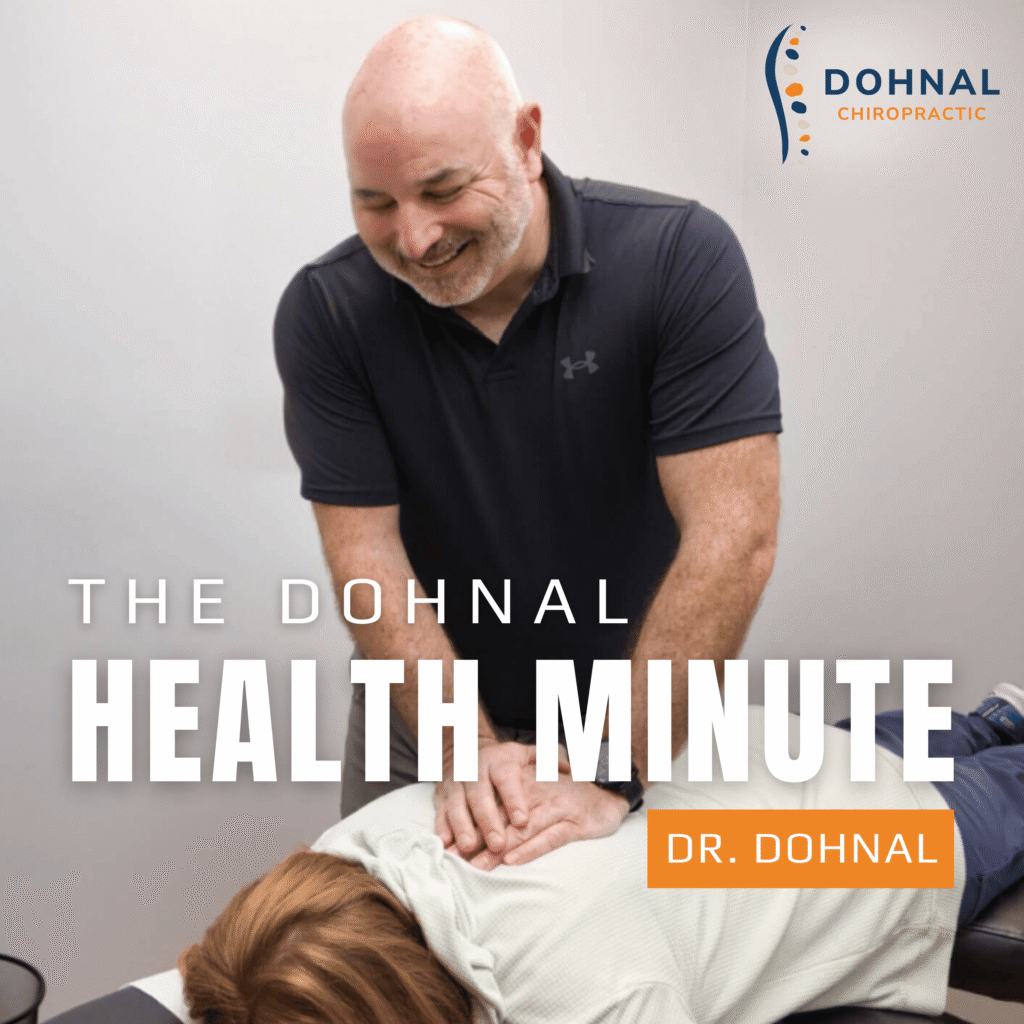
In this episode, Dr. Chris Dohnal of Dohnal Chiropractic in Nashville, Tennessee, breaks down why recovery time is a critical and often overlooked part of any fitness routine. Many active people push through fatigue without realizing that the body does its most important repair and adaptation work between workouts, not during them. Dr. Dohnal explains the science behind muscle recovery, inflammation, and how rest supports long-term performance and injury prevention. Whether you’re a weekend warrior or a dedicated athlete, this episode will change how you think about your rest days. Tune in to learn practical strategies for making your recovery work as hard as your training does.
Hey there, and welcome back. I’m doctor Chris Dohnal, your chiropractor here in Nashville, Tennessee, and today we’re talking about something that a lot of active people overlook. Recovery time after exercise. Now, I know what you might be thinking. I’m busy, I feel fine, I’ll just keep pushing. And I get it. But here’s the thing, what happens between your workouts might actually matter just as much as the workouts themselves. So let’s dig into this together.
First, let me set the scene. Whether you’re hitting the gym a few days a week, going for morning runs, doing yoga, or just trying to stay active as you get older, your body is constantly adapting to the demands you put on it. And that adaptation, that process of getting stronger and more resilient, it doesn’t actually happen during the workout. It happens after. During recovery.
Here’s what’s interesting. When you exercise, you’re creating tiny amounts of stress on your muscles, your joints, your tendons, and your nervous system. That’s not a bad thing. That stress is what signals your body to rebuild and get stronger. But if you never give your body the time and resources it needs to complete that rebuilding process, you end up in a cycle where you’re always breaking down and never fully building back up. And that’s where problems start to show up. Fatigue, soreness that lingers longer than it should, and sometimes pain or injury that seems to come out of nowhere.
Now, here’s something I see a lot in my office. Someone comes in with a nagging shoulder, or a hip that just won’t settle down, and when we talk through their routine, they’re training hard, maybe five or six days a week, and they’ve basically cut rest days out of the picture because they feel guilty taking them. And I always tell them the same thing. Rest is not the opposite of progress. Rest is part of the process.
So what does good recovery actually look like? A few things. Sleep is at the top of the list. When you sleep, your body releases hormones that help repair tissue. It processes inflammation. It consolidates all the work you did that day. Shortchanging your sleep is one of the fastest ways to stall your progress and increase your injury risk. Most adults need somewhere between seven and nine hours to really do that repair work properly.
Hydration and nutrition matter too. Your muscles need protein to rebuild. Your joints need adequate hydration to move well. This doesn’t have to be complicated. Just make sure you’re eating enough and drinking enough water, especially on days when you’ve pushed hard.
And then there’s movement-based recovery. Light walking, gentle stretching, things that keep circulation moving without adding more stress to the system. This kind of active recovery can actually help your body clear out the byproducts of hard exercise and feel better faster.
Now, here’s where chiropractic care fits into this picture. Your spine and nervous system are at the center of how your body coordinates movement and healing. When your joints aren’t moving the way they should, when there’s tension or restriction in your spine or extremities, your body’s ability to recover efficiently can be compromised. Regular chiropractic adjustments help keep those joints mobile, reduce tension in surrounding muscles, and support the overall communication between your brain and your body. A lot of my patients find that they recover faster and feel better overall when they’re getting consistent care alongside their training.
So here’s my takeaway for you today. Build recovery into your routine on purpose. Schedule it like you schedule your workouts. Take your sleep seriously. Fuel your body well. And if you’ve been dealing with soreness or stiffness that just isn’t going away, come in and let’s take a look. There may be something we can do to help your body recover the way it’s meant to.
Thanks so much for listening today. I genuinely appreciate you spending a few minutes with me. If you’re in the Nashville area and you’d like to come in, we’d love to see you at Dohnal Chiropractic. Give us a call, check us out online, and let’s get you moving and feeling your best. Take care, and we’ll talk again soon.

Dr. Dohnal is one of the kindest chiropractors I’ve ever visited. He is thorough and really cares about your whole well being. He gives a thoughtful wellness plan with exercises, suggestions, and care. 10/10 recommend.

Wonderful staff excellent care …my back issues have improved tremendously

Dr Chris is amazing, he is easy to talk to, listens to your complaints/issues and don’t just do some adjustments and send you on your way. He wants to understand your situation and make sure the best treatment is selected. Highly recommend him.

To start this is Long 16yrs. You don’t say in two words)>> I can share personally the quality of treatment and care that a Chiropractor, who knows the benefit of being well trained, and great knowledge of how to deliver that treatment to give you the relief that medical Dr’s wish they could do.In my time I have had more than 1or2.😂 With age comes knowing how to separate the average chiropractor from one that you know deserves 5 Stars!! Dr Dohnal is one of those chiropractor’s. This is not just Flattery words, but over 16 years of Health Wellness Dr.D has treated me from Head to Foot.😍 all without Drugs which is important to me. Some things like the plague of arthritis or a disc out of place which I have both. I find once month adjustment to stay in tune keep arthritis from being a constant chronic pain. The bigger issues like a dis out of place can’t mend by coving with numbing drugs. Yes, this requires more time -but no drugs and a couple of adjustments I am soooo🤗 much better, not healed but appreciate that Dr.D sets up program for my specific treatment. I work everyday >> he works with my time to schedule. Truly, a heart for his patience first! This old saying “Bet you can’t try just one visit” you will want to go back🌺

Had some pretty bad back pain. And my appointment wasn’t until later in the afternoon. Called to see if there was anything available and they were able to squeeze me in a few hours earlier, which was great because the pain was bad. Over all great people very friendly and Caring

Dr. Dohnal is the first chiropractor to recommend decompression. I have seen 10-12 chiropractors and physical therapy places and not one has even suggested it. It's the one thing that has given me mobility in my back. I am so thankful for it.

I'm visiting family and had opportunity to see Dr. Dohnal for a lower back issue. He was very thorough and came up with a course of treatment I can take home with me. I'm impressed with his expertise and knowledge. My back pain has eased and I happy I was able to be treated by him.

Dr. Dohnal knows a lot and cares a lot! I highly recommend him!

Dr. Dohnal takes an interest in his clients and what’s going on in their life as well as how he can best treat them

I had a shoulder discomfort and Dr. Chris was able to adjust it back to it's place with his advanced chiropractor expertise. The receptionist was nice and very helpful. I recommend them.

Love Dr. Dohnal!! He's so patient and takes the time to understand exactly what's going on. I was really hesitant about chiro but he's the best.

Great experience at Dohnal Chiropractic! Friendly staff, efficient visits, and I always leave feeling better. Highly recommend.

Dr Dohnal has helped my son immensely! He plays high school lacrosse and gets banged around a lot causing his back to really hurt at times. Dr Dohnal always is able to get him quickly and provide him relief! The smile on my son's face when we leave is priceless!

IMO the best chiropractor around the area. He and his staff will take great care of you.

I have been going to Dohnal Chiropractic for about a year now. It is a significant hike for me since I live in Hendersonville, but I love the care that he gives, the way he adjusts me and the customer care I get from him and Amy both - highly recommend!

If you are going to a Chiropractor it means you are in pain and need to be realigned, Dr. Dohnal and staff understands this and they try their best to accommodate you in time of need. They match your adjustments to you and your needs. They are the best

I moved here from Texas and am so lucky to have found Dohnal Chiropractic. Amy has always been so nice and Dr. Chris is knowledgeable and always makes me feel comfortable. I would definitely recommend for you to visit if you’re looking for great care and great people!

Dr. Chris is awesome. Amy is always so attentive to my needs! Thank you both for you VERY caring environment! I appreciate you both so much!

Great place, great people! Quality care at an affordable price. Always an amazing experience. We have been seeing Dr. Dohnal for about a year now. He always takes time to catch up and asks how our family is doing. They are flexible with our schedule. Highly recommended!

Dr Dohnal and his team are committed to helping someone with a goal of getting healthier . They offer adjustments, message , supplements and exercise to help optimize your health . They are a great team that are dedicated to helping you help yourself ! Highly recommend!!

Yes! It is always a great experience to have a Dr. care for you as a person and not just the next person in line!😍 Thank you Dr Dohnal and Amy for giving great personal Customer Service!!🌺

The staff at Dohnal Chiropractic is awesome! Dr.Donhal thoroughly explains what he is doing as he provides relief. The front desk staff and Amy, Dr. Donhal's assistant, are very professional. Are you in pain? Then go see Dr. Donhal 😊😀

Always take good care of me when I over do. Highly recommended

They were very kind and professional. Dr. Dohnal explained my problem and is working on a plan of action to make me better.

My visit with Doctor Dohnal and Amy are like visiting with family. Dr.Dohnal's expertise comes with always handling my needs every month recommending any new exercises along with always making sure my body stays in alignment. Highly recommended!!!

I highly recommend this practice.<br>Amy is so friendly and helpful.<br>Dr Dohnal is kind and knowledgeable. They both sincerely want to help you feel better!!

Timely, professional, easy to talk to. And I feel great after every appointment!

I can’t say enough great things about Dr Dohnals work. He’s helped me gain back my mobility, stopped my migraines nearly completely, and eased my jaw pain. I’m able to train harder and recover faster, and truly target the right muscles now in the gym, because my body is in alignment finally. I had no idea how good I could feel. I’ve also always appreciated how easy scheduling is & their availability to book me in on short notice. Thank you guys so much!

Very welcoming and respectful doctor

Great experience. Got me in and adjusted very quickly.

Always get in same day and have a great experience. Fast, friendly service and always feel much better after adjustment! Highly recommend

I’ve been going to Dohnal Chiropractic in Lenox Village for years! Doc tailors his care to exactly your needs!

First visit for me... Dr. Dohnal explained everything in detail with exam and xrays. I will go back...very friendly atmosphere..I've been going now for almost 1 month and can tell a big difference.....

Great first experience at a chiropractor. Very nice and informational. Would definitely recommend.

Always a good experience, very professional, attention to concerns and issues, work in a timely manner to resolve each issue. A genuine concern for each patients successful return to good health. As a long term patient Dr. Dohnal has helped maintain and improve my quality of life, l am very pleased.

Dr Dohnal is awesome! Saw me on short notice and knew exactly how to fix my problem quickly. Gave me some stretching exercises to help minimize issue in the future.

I can only say great things about Dohnal Chiropractic! They are so friendly and listen to their patients. If you are in pain or have never tried a chiropractic treatment before, I would highly recommend you make an appointment today!

Had neck pain & headaches all weekend- Doc knew exactly what to do! After his adjustment & decompression, I felt much better!

I have a monthly appt. and appreciate the opportunity to ask questions and I find Dr. Dohnal very knowledgeable and helpful. I feel the benefit of monthly maintenance and the relationship with this office is excellent. I do highly recommend Dr. Dohnal's care and expertise.

Great place,fabulous staff and always work with my appointment times. Highly recommend them. 5 star all the way.

I got the Groupon deal and they booked me appointment right away. The Dr. did a thorough exam and X-rays. I go in for treatment in a couple of days. Happy so far 😊

Great experience with Dr. Chris, honest and knowledgeable and very thorough.

My husband and I have been patients of Dr Dohnal for many years. He is very knowledgeable and listens to your concerns. I trust him completely to treat my issues. His staff is exceptionally friendly and helpful.

They always make me feel my issues are the most important thing for them to help.<br>Always friendly. Always ready to help.<br>I've been here for various lower back and shoulder (both shoulders!) issues and Dr Dohnal worked diligently with me to resolve my issues.

Dr Dohnal and Amy are wonderful people. The atmosphere is soothing and relaxing. Dr Dohnal attentively listens to your complaints and needs, laying fears to rest. He is knowledgeable and has great skill in Chiropractic medicine. I would recommend 1000%. Thank you all for what you do and the care you provide to your patients.

Thank yall so much for getting me in so soon with my crick in my neck.<br>And the adjustment helped soooo much!


