
If you’re looking to enhance your joint flexibility and movement naturally, you’re not alone. Many individuals seek ways to improve their mobility without turning to medications or invasive treatments. As a chiropractor, I believe that incorporating gentle mobility work, focused stretching, and core-strengthening exercises into your routine can lead to lasting benefits for your joints and overall health.
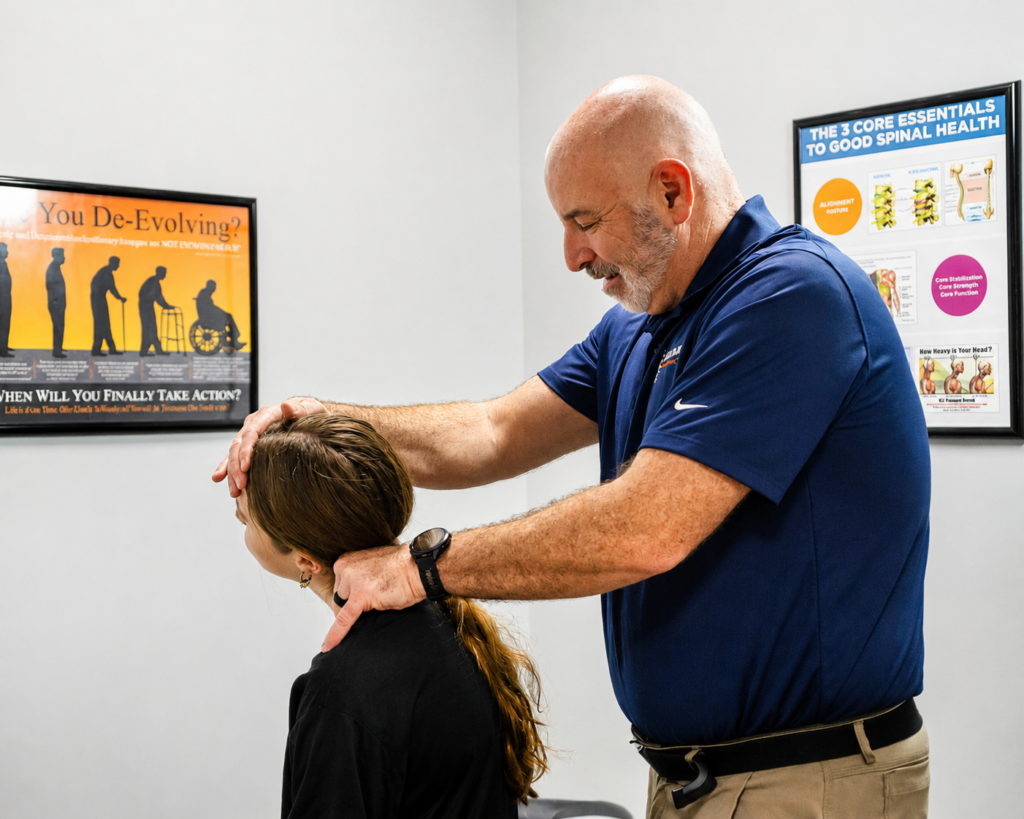
One of the most effective ways to enhance flexibility and movement is through regular chiropractic care. By addressing any misalignments in your spine, we can help improve your overall mobility and alleviate discomfort. Chiropractic adjustments not only promote better alignment but also encourage your body’s natural healing processes.
In addition to chiropractic care, here are some practical tips to enhance your joint flexibility and movement in your everyday life:
- Gentle Mobility Work: Start with simple movements that gently stretch your joints. Activities like walking, yoga, or tai chi can significantly improve your range of motion without putting excessive strain on your body.
- Focused Stretching: Incorporate specific stretching exercises that target the major joints, such as the hips, knees, shoulders, and back. Hold each stretch for at least 15-30 seconds, and breathe deeply to help relax your muscles.
- Core Strengthening: A strong core supports your spine and helps maintain proper posture, which is essential for joint health. Consider exercises like planks, bridges, and pelvic tilts to strengthen your core effectively.
- Stay Hydrated: Proper hydration is vital for joint health. Drinking enough water helps lubricate your joints and keeps your cartilage healthy, allowing for smoother movement.
- Listen to Your Body: Pay attention to how your body feels during movement. If something doesn’t feel right, it’s essential to adjust your activities accordingly. A visit to your chiropractor can provide guidance on safe movements tailored to your needs.
By embracing these techniques and maintaining regular chiropractic care, you can enhance your joint flexibility and movement naturally. Remember, achieving optimal health is a journey, and I’m here to support you every step of the way!
Key Takeaways
- To enhance your joint flexibility and mobility, consider incorporating both dynamic and static stretching techniques into your daily routine. These gentle movements can help your body gradually adapt and improve over time.
- Regular chiropractic care is essential for maintaining proper spinal alignment, which plays a crucial role in supporting optimal movement and flexibility. By visiting your chiropractor, you can experience relief and enhance your overall wellness naturally.
- Yoga is a wonderful practice for enhancing flexibility while also promoting relaxation and mindfulness. Through deep breathing and mindful movements, you can connect your body and mind, creating a holistic approach to health.
- Strengthening your core with Pilates can significantly improve your stability. A strong core helps reduce strain on your joints, making everyday movements more efficient and pain-free.
- Combine these practices with an active lifestyle. Engaging in regular physical activity not only supports natural healing but also helps prevent injuries. Remember, your chiropractor is a valuable resource for guidance and support on your journey to better health. Focus on nurturing your body naturally, and you’ll be on your way to achieving optimal wellness.
Understanding Joint Flexibility
Understanding joint flexibility is crucial for maintaining overall mobility and preventing injuries. Your joints need to move freely to allow for a full range of motion, which is essential for daily activities and physical performance. When you have good flexibility, you can bend, twist, and stretch with ease, reducing the risk of strains or sprains.
Several factors can impact joint flexibility, such as age, genetics, and activity level. As we age, our connective tissues may become stiffer, limiting movement. Fortunately, regular chiropractic care can significantly enhance your flexibility and keep your joints healthier. Chiropractors focus on aligning the spine and joints, which can improve your overall range of motion and help you move more freely.
Listening to your body is paramount. If you feel tightness or discomfort, it’s a sign to incorporate more flexibility exercises into your routine. Simple practices like gentle stretching or yoga can complement chiropractic adjustments and promote better joint health.
Benefits of Improved Joint Flexibility
Improving your joint flexibility can bring a range of benefits that significantly enhance your overall well-being, and chiropractic care is a fantastic way to support this journey.
One of the most important advantages of better joint flexibility is a reduced risk of injuries. When your joints are flexible, they can move freely, which improves your coordination and balance. This means you’re less likely to strain or sprain yourself during everyday activities or workouts.
Chiropractic care plays a crucial role in enhancing your flexibility. By ensuring your spine is aligned and your nervous system is functioning optimally, a chiropractor can help you achieve better joint mobility. This can ultimately boost your athletic performance, whether you’re running, dancing, or playing sports. With greater flexibility, you’ll be able to perform movements more efficiently, increasing your speed and power.
Daily tasks become easier with improved flexibility. Simple actions, like bending down to tie your shoes or reaching for something on a high shelf, can feel more manageable when your joints are mobile. Regular chiropractic adjustments can help maintain this flexibility, allowing you to go about your day with ease.
Additionally, enhancing your joint flexibility can help alleviate pain and stiffness, particularly beneficial for those dealing with conditions like arthritis. Chiropractic care focuses on natural healing methods that can relieve discomfort without the need for medications or invasive procedures.
Stretching Techniques for Flexibility
To achieve optimal joint flexibility and support your overall health, incorporating effective stretching techniques into your routine is essential. As a chiropractor, I emphasize the importance of gentle movement to maintain your body’s natural alignment and function.
Start with dynamic stretches like leg swings or arm circles to warm up your muscles and joints. These movements increase blood flow and prepare your body for deeper stretching, helping to prevent injuries.
Next, focus on static stretches, holding each position for around 15-30 seconds. Target major muscle groups, such as hamstrings, quadriceps, and shoulders, to enhance flexibility and support spinal health. Remember to breathe deeply as you stretch—inhale deeply while lengthening your muscles, and exhale to release any tension you may be holding. This mindful approach can help you feel more relaxed and connected to your body.
Incorporating PNF (Proprioceptive Neuromuscular Facilitation) stretching can also be beneficial. This technique involves gently contracting a muscle before stretching it, which can lead to improved flexibility. However, it’s important to approach this method with care and to listen to your body closely.
Above all, never push through pain. If you experience discomfort while stretching, ease back and consult with your chiropractor for personalized guidance. Consistency is key—making stretching a regular part of your routine can significantly enhance your flexibility and overall wellness.
The Role of Yoga in Enhancing Flexibility
Yoga presents a variety of poses that can significantly enhance your flexibility, which is essential for overall spinal health. By integrating specific breathing techniques during your practice, you not only deepen your stretches but also promote relaxation and mindfulness—two key components of natural healing.
As a chiropractor, I want to emphasize that improving your flexibility through yoga can support your spine and help reduce discomfort. When your body is flexible, it allows for better movement and can alleviate pressure on your spine, which is vital for maintaining proper alignment.
Here are a few tips to enhance your yoga practice for better flexibility:
- Listen to Your Body: Always pay attention to how your body feels in each pose. If something doesn’t feel right, ease out of the stretch and adjust your position.
- Breathe Deeply: Focus on your breath. Deep, controlled breathing not only helps you relax but also allows your muscles to release tension, making it easier to stretch.
- Incorporate Gentle Movements: Start with gentle movements to warm up your body before diving into more challenging poses. This can help prevent injury and enhance your flexibility over time.
- Stay Consistent: Regular practice is key. Even short, daily sessions can lead to significant improvements in flexibility and overall spinal health.
- Combine with Chiropractic Care: Consider complementing your yoga practice with regular chiropractic adjustments. This can help ensure your spine is aligned, allowing you to get the most out of your flexibility training.
Benefits of Yoga Poses
Unlocking your body’s potential through yoga poses can significantly improve flexibility and support joint health, which is essential for overall wellness. Regular yoga practice not only stretches and strengthens your muscles but also enhances your range of motion, which can contribute to a healthier spine. Improved posture and alignment help reduce strain on your joints—benefits that align perfectly with chiropractic care.
Here are a few beneficial yoga poses you can incorporate into your weekly routine:
| Yoga Pose | Benefit | Recommended Duration |
|---|---|---|
| Downward Dog | Lengthens spine and hamstrings | 30 seconds |
| Warrior II | Strengthens legs and hips | 30 seconds |
| Cobra Pose | Opens chest and shoulders | 30 seconds |
Engaging in these poses can help prevent injuries and support your chiropractic treatment by promoting a more agile and capable body for your daily activities. Remember, yoga complements chiropractic care by enhancing your body’s natural healing abilities.
To further support your wellness journey, consider these tips:
- Listen to Your Body: Always pay attention to how your body feels during and after yoga. If you experience discomfort, modify your poses or consult your chiropractor for guidance.
- Breathe Deeply: Focus on your breath during each pose. Deep breathing helps reduce tension and promotes relaxation, which is beneficial for spinal health.
- Stay Consistent: Incorporate yoga into your routine a few times a week. Consistency is key to reaping the benefits of better flexibility and improved joint function.
- Combine with Chiropractic Care: Regular visits to your chiropractor can help align your spine and support your yoga practice, enhancing your overall health and well-being.
Breathing Techniques for Flexibility
While practicing yoga, you’ll discover that mastering breathing techniques can significantly enhance your flexibility, but it’s equally important to consider the role of chiropractic care in supporting your overall wellness.
Focusing on your breath not only grounds you but also helps you deepen your stretches, allowing for greater range of motion. Here are some breathing techniques to contemplate, along with how chiropractic care can complement your practice:
- Diaphragmatic Breathing: Engaging your diaphragm encourages deeper inhalation and relaxation. This can also help relieve tension in your spine, promoting better posture and alignment.
- Ujjayi Breath: This ocean-sounding breath warms your body and promotes focus during poses. Regular chiropractic adjustments can enhance your body’s ability to move freely, making it easier to maintain this focus.
- Nadi Shodhana: Alternate nostril breathing calms the mind and balances energy for improved concentration. A well-aligned spine supports nervous system function, which can enhance your mental clarity.
- Sama Vritti: This equal breathing technique fosters a sense of calm, enhancing your ability to hold stretches longer. Chiropractic care can help alleviate any discomfort or stiffness that may prevent you from fully enjoying your practice.
Incorporating these breathing techniques into your routine can open up new levels of flexibility and stability.
Pilates for Joint Health
If you’re looking to enhance your joint health, Pilates can be a fantastic addition to your wellness routine. However, it’s important to remember that chiropractic care is the cornerstone of achieving optimal health, especially when it comes to pain relief and natural healing. By focusing on core strength and controlled movements, Pilates can help improve your stability and flexibility. But pairing this with regular chiropractic adjustments can ensure your spine is aligned, which is critical for overall joint health.
Incorporating breathing techniques during your Pilates practice not only enhances your experience but can also support your joints. When your spine is aligned and your muscles are balanced, your body can move more freely and efficiently. As a chiropractor, I recommend adding specific spinal exercises to your routine, which can help with alignment and prevent injuries.
Here are a few tips to keep in mind:
- Stay Consistent: Regular chiropractic visits can help maintain your spinal health, while Pilates can enhance your muscle stability.
- Focus on Alignment: Pay attention to your posture in both Pilates and daily activities. Proper alignment is key for joint health.
- Listen to Your Body: If you experience discomfort during Pilates or in everyday movements, consult your chiropractor for guidance tailored to your body.
- Stay Hydrated: Proper hydration is essential for joint lubrication and overall health.
Core Strength Importance
Core strength plays a vital role in maintaining joint health and flexibility, providing stability and support for your entire body. When your core is strong, you gain better control over your movements, which can significantly reduce the risk of injury. This foundation of support allows your joints to work more efficiently, enhancing your overall performance in daily activities and workouts.
As a chiropractor, I want to share a few key benefits of developing strong core muscles to help you achieve optimal health naturally:
- Improved posture: A strong core is crucial for aligning your spine properly, which helps reduce strain on your joints. This alignment can lead to less discomfort and better overall wellness.
- Enhanced balance: Core strength stabilizes your body, making it easier to maintain balance during everyday tasks and physical activities. This stability is essential for preventing falls and injuries.
- Reduced back pain: Strengthening your core can alleviate pressure on your back, promoting a healthier spine and reducing discomfort. Many patients find that a strong core can lead to significant improvements in back health.
- Better athletic performance: A well-developed core boosts your overall movement efficiency and endurance. Whether you’re engaging in sports or simply enjoying recreational activities, a strong core can enhance your performance.
To support your journey toward a stronger core, consider incorporating simple exercises like planks, bridges, and abdominal crunches into your routine. Additionally, practicing good posture throughout your day can help reinforce your core strength. Remember, chiropractic care is an excellent way to address any existing issues and ensure your body is functioning optimally. Regular adjustments can enhance your core strength, balance, and overall health.
By focusing on natural healing and wellness through chiropractic care, you can achieve a healthier, pain-free life.
If you’re experiencing discomfort or would like to learn more about how to strengthen your core, don’t hesitate to reach out. Together, we can work towards your health goals!
Controlled Movements Benefits
Incorporating controlled movements through practices like Pilates can significantly enhance your joint health, but let’s not forget the vital role chiropractic care plays in this journey. By focusing on precise, deliberate motions, not only can you boost your flexibility, but you also enhance your coordination and stability. These controlled movements engage your muscles in a way that supports your joints, reducing the risk of injury and strain.
Chiropractic care complements these practices by ensuring that your spine is properly aligned, which is essential for optimal movement and function. When your spine is aligned, it allows your nervous system to operate at its best, facilitating better communication between your brain and body. This, in turn, supports your overall mobility and joint health.
You might notice an increased range of motion, which can make daily activities easier and more enjoyable. Practicing mindfulness in movement—whether through Pilates or other gentle exercises—helps you become more aware of how your body functions as a whole. By combining this awareness with regular chiropractic adjustments, you can build strength around your joints, promoting better alignment and balance.
Ultimately, these benefits lead to a more active lifestyle and improved overall well-being. Regular chiropractic care ensures your joints remain healthy and resilient, allowing you to enjoy life without discomfort. So, consider integrating chiropractic visits into your wellness routine, along with controlled movements, for a holistic approach to health. Remember, taking care of your spine is just as important as engaging in physical activity, and together they can help you achieve optimal health.
Flexibility Through Breathing
Breathing is a key element in enhancing your flexibility and overall wellness, particularly in practices like Pilates. When you focus on your breath, you not only engage your body but also connect with your spine, which is crucial for optimal health. Here’s how breathing can support your flexibility and wellness journey:
- Increases oxygen flow: Proper breathing nourishes your muscles and joints, promoting relaxation throughout your body. This is essential for maintaining spinal health and reducing tension.
- Enhances focus: Mindful breathing helps keep your mind centered, allowing you to concentrate on your movements and align your spine properly. This focus can lead to a more effective practice.
- Encourages proper alignment: By maintaining awareness of your breath, you can help ensure your body is in the right position, which reduces the risk of injury and supports your spinal alignment.
- Facilitates muscle release: Taking deep, intentional breaths can help ease muscle tension. This is particularly beneficial for your back and neck, allowing for smoother and more comfortable movement.
Incorporating breathwork alongside chiropractic care can significantly enhance your flexibility and joint health.
Incorporating Movement Into Daily Life
Incorporating movement into your daily life is essential for maintaining optimal health and wellness, and it can be a powerful ally in supporting your spine and overall well-being. As a chiropractor, I want to emphasize that movement should be a regular part of your routine, not just something you do at the gym. By making small, mindful changes, you can keep your body active and your spine healthy.
For example, consider taking the stairs instead of the elevator. This simple switch not only elevates your heart rate but also engages your muscles and promotes better spinal alignment.
Walking or biking to nearby destinations is another excellent way to incorporate movement; it helps with circulation and keeps your spine flexible.
Another great tip is to set a timer to remind yourself to stretch or move every hour. Even a few minutes of gentle stretching can relieve tension in your back and improve your posture.
During phone calls or meetings, try standing or walking around. This keeps your body engaged and can even enhance your focus.
Engaging in playful activities with friends, such as frisbee or tag, can make movement enjoyable and social. By viewing activity as a fun part of your life, you not only enhance your flexibility and strength but also support your spinal health.
Remember, every little bit counts. Even small movements throughout your day can significantly contribute to your overall health.
Chiropractic care is an excellent way to support your journey toward a more active lifestyle. Regular adjustments can help keep your spine aligned and functioning optimally, allowing you to move freely and without pain.
Embrace these small changes to keep your body active and your spine healthy, and remember that chiropractic care is here to guide you on your path to wellness!
Nutrition for Joint Flexibility
Eating for joint flexibility is essential for maintaining a healthy and active lifestyle, especially when it comes to supporting your body’s connective tissues. As a chiropractor, I believe that nutrition plays a vital role in your overall wellness, including joint health. By incorporating specific foods into your diet, you can help enhance your joint flexibility and mobility. Here are some key nutrients to focus on:
- Omega-3 Fatty Acids: These healthy fats, found in fish like salmon, flaxseeds, and walnuts, can significantly reduce inflammation and improve joint lubrication. Including these in your meals can promote better movement and comfort within your joints.
- Collagen: This protein is crucial for the strength and elasticity of your cartilage and connective tissues. You can find collagen in bone broth or choose to take collagen supplements. By supporting your body’s natural collagen production, you can help maintain healthy joints.
- Antioxidants: Incorporate a variety of colorful fruits and vegetables into your diet, especially berries, spinach, and kale. These foods are rich in antioxidants, which help combat oxidative stress and protect your joints from damage over time.
- Vitamin D: This nutrient is crucial for calcium absorption, which is essential for strong bones. You can get vitamin D from sunlight, fortified foods, or supplements. Remember, healthy bones support healthy joints!
Alongside these nutritional tips, don’t forget the importance of regular chiropractic care. Chiropractic adjustments can help improve your spinal alignment, which in turn can enhance your overall mobility and joint function. It’s a natural way to support your body’s ability to heal and maintain flexibility.
Mindfulness and Relaxation Techniques
While it’s easy to overlook the mind-body connection, incorporating mindfulness and relaxation techniques can significantly enhance your joint flexibility and overall wellness. As a chiropractor, I emphasize the importance of being attuned to your body’s sensations and movements. By practicing mindfulness, you can better recognize areas of tension or stiffness, which is crucial for your spinal health and mobility.
One effective technique to promote relaxation is deep breathing exercises. Simply inhale deeply through your nose, hold it for a moment, and then exhale slowly through your mouth. This straightforward practice not only reduces stress but also encourages a greater range of motion in your joints, which is vital for a healthy spine.
Additionally, gentle yoga and guided meditation are excellent ways to focus your mind and ease physical and emotional tension. These practices help foster a deeper connection with your body, allowing you to listen to its needs. I recommend setting aside a few minutes each day to incorporate these techniques into your routine. You’ll likely notice improved flexibility, reduced discomfort, and an overall sense of well-being.
Creating a Personalized Flexibility Routine
To enhance your joint flexibility effectively, it’s important to create a personalized flexibility routine tailored to your unique needs and goals. As a chiropractor, I believe that natural methods, including flexibility exercises, can significantly contribute to your overall health and wellness.
Start by assessing your current flexibility levels and pinpointing specific areas where you’d like to improve. This self-evaluation will help you create a routine that targets your individual needs, leading to optimal results.
Here are some key elements to incorporate into your flexibility routine:
- Dynamic stretches: These are great for warming up your joints and improving your range of motion. Think of movements like arm circles and leg swings to get your body ready for activity.
- Static stretches: Take the time to hold stretches for a deeper level of muscle relaxation and to enhance joint mobility. Focus on areas that feel tight, and remember to breathe deeply to promote relaxation.
- Foam rolling: This technique can help release tension in tight muscles, which is crucial for improving flexibility. By using a foam roller, you can ease muscle soreness and promote better movement patterns.
- Consistency is key: Aim to integrate your flexibility routine into your regular schedule. Consistent practice will yield noticeable improvements over time, allowing your body to adapt and gain more mobility.
Incorporating these elements not only supports flexibility but also complements chiropractic care, which focuses on natural healing and optimal spinal health.
Conclusion
As a local chiropractor, I’m excited to share some effective strategies to enhance your joint flexibility and overall movement naturally. By incorporating gentle mobility exercises, mindful stretching, and core-strengthening routines into your daily life, you can support your body in achieving optimal health.
Chiropractic care plays a vital role in this journey. Regular adjustments not only help align your spine but also improve your overall flexibility and reduce pain. It’s essential to prioritize anti-inflammatory nutrition—think fresh fruits, vegetables, whole grains, and healthy fats—to nourish your joints from the inside out.
Listening to your body is key. If you feel tension or discomfort, take a step back and adjust your movements accordingly. Consistency is crucial; a regular routine will yield the best results. With dedication to these practices, you’ll enjoy a more active, pain-free lifestyle.
Start your journey toward greater mobility today with chiropractic care as your foundation for natural wellness! Embrace these simple tips, and you’ll be well on your way to feeling your best.