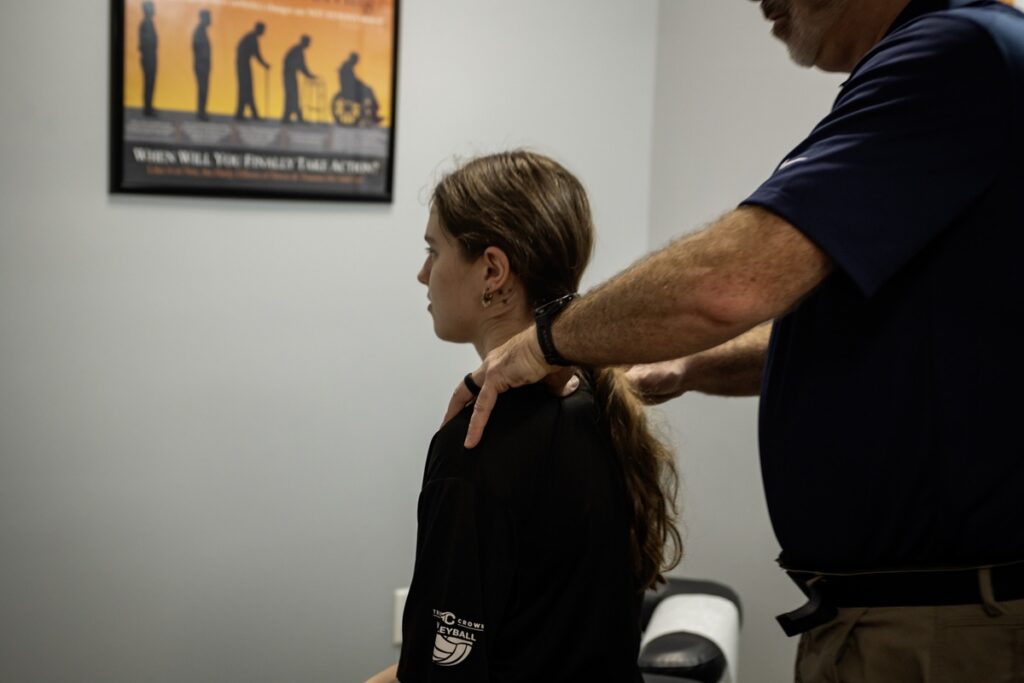

If you’re dealing with fibromyalgia, it can be tough to manage your symptoms, but there are effective ways to help ease your discomfort. As a chiropractor, I believe in the power of natural healing through holistic approaches. Incorporating regular exercise, making thoughtful dietary choices, and practicing mindfulness can significantly improve your quality of life.
- Regular Exercise: Engaging in gentle physical activity can be incredibly beneficial for managing fibromyalgia symptoms. Activities like walking, swimming, or yoga can help reduce pain and improve overall well-being. It’s important to start slowly and listen to your body—gradually increasing your activity level can lead to better results without overwhelming you.
- Dietary Adjustments: What you eat plays a crucial role in your health. A well-balanced diet rich in whole foods, such as fruits, vegetables, lean proteins, and healthy fats, can help reduce inflammation and improve your energy levels. Staying hydrated is also essential, so make sure to drink plenty of water throughout the day.
- Mindfulness Practices: Stress can exacerbate fibromyalgia symptoms, so incorporating mindfulness techniques, such as meditation and deep breathing exercises, can be a game-changer. These practices help calm the mind and body, promoting relaxation and reducing pain perception.
In addition to these strategies, chiropractic care can play a vital role in your journey to wellness. Regular chiropractic adjustments can help improve spinal alignment, which may alleviate pain and enhance your body’s natural healing processes. By focusing on your spinal health, you can potentially experience significant relief from fibromyalgia symptoms.
If you’re curious about how to implement these strategies or want to learn more about how chiropractic care can support your health, don’t hesitate to reach out. Together, we can work towards a more balanced and healthier lifestyle!
Key Takeaways
3 Best Ways to Alleviate Fibromyalgia Symptoms
- Incorporate Chiropractic Care: One of the most effective ways to relieve fibromyalgia symptoms is through chiropractic care. Regular adjustments can help align your spine, which in turn reduces muscular tension and improves overall mobility. By addressing the root of your discomfort, chiropractic care offers a natural approach to achieving lasting pain relief and enhancing your well-being.
- Engage in Low-Impact Exercises: Activities like walking, swimming, or gentle yoga are excellent for individuals with fibromyalgia. These low-impact exercises not only improve mobility but also help to reduce pain levels. By gradually increasing your activity, you can build strength and resilience while enhancing your overall quality of life. Remember to listen to your body and take it slow.
- Adopt an Anti-Inflammatory Diet: Nourishing your body with an anti-inflammatory diet can make a significant difference in how you feel. Focus on incorporating plenty of fresh fruits, vegetables, and whole grains into your meals while steering clear of processed foods. This dietary shift can help reduce inflammation and support your body’s healing processes, making you feel better overall.
- Practice Mindfulness Techniques: Managing stress is crucial in alleviating fibromyalgia symptoms. Techniques like meditation and deep breathing can promote relaxation and enhance your mental well-being. Taking just a few moments each day to practice mindfulness can lead to significant improvements in how you feel, both physically and emotionally.
- Be Patient with Your Progress: It’s important to remember that improvement takes time. Be patient with yourself as you gradually increase your activity levels. Celebrate small victories along the way, and focus on the journey towards better health. With dedication and the right approach, you can achieve long-term symptom relief and enhance your overall wellness.
By prioritizing chiropractic care and adopting these holistic strategies, you can take meaningful steps towards alleviating your fibromyalgia symptoms and embracing a healthier, more vibrant life.
Implement a Regular Exercise Routine
Implementing a regular exercise routine can be a powerful way to alleviate fibromyalgia symptoms and promote overall wellness. As a chiropractor, I believe that staying active is essential for not just improving your energy levels and mood, but also for supporting your spinal health.
Start with low-impact exercises that are gentle on your joints, such as walking, swimming, or cycling. These activities can help reduce pain and stiffness while also enhancing your body’s mobility and strength. Aim for at least 30 minutes of exercise on most days, but listen to your body and adjust as needed.
Incorporating stretching and flexibility exercises into your routine can further benefit your muscles and joints. Consider joining a local yoga or tai chi class, both of which are great for promoting relaxation and mindfulness, as well as providing gentle movement.
It’s important to pace yourself and not push too hard. Gradually increase the intensity and duration of your workouts as you feel more comfortable. Remember, even small amounts of movement can create significant improvements in your well-being.
Chiropractic care can also play a crucial role in managing fibromyalgia symptoms. Regular adjustments can help align your spine, reduce tension, and enhance your body’s natural ability to heal. By integrating chiropractic care with your exercise routine, you can optimize your health and wellbeing.
Stay committed, be patient with yourself, and know that a consistent exercise routine, combined with chiropractic support, can make a meaningful difference in managing fibromyalgia and achieving a healthier lifestyle.
Explore Dietary Adjustments
When managing fibromyalgia symptoms, exploring dietary adjustments can significantly enhance your overall wellness and complement the benefits of chiropractic care. By focusing on anti-inflammatory foods—such as colorful fruits, fresh vegetables, whole grains, and healthy fats—you can help reduce inflammation, which may ease pain and fatigue.
It’s also wise to limit processed foods, sugar, and excessive caffeine, as these can trigger flare-ups and may worsen your symptoms. For some individuals, trying a gluten-free or low-FODMAP diet could provide additional relief. Keeping a food diary is a helpful strategy; it allows you to track what you eat and how it impacts your symptoms, helping you identify any food sensitivities.
Hydration is another critical aspect of wellness. Make sure to drink plenty of water throughout the day to support your body’s functions.
As a chiropractor, I always recommend a holistic approach to health. While dietary choices are important, regular chiropractic adjustments can help improve spinal alignment, reduce pain, and enhance your overall well-being. Remember, the synergy between a balanced diet and chiropractic care can empower you to take charge of your health and improve your quality of life. Always consult with a healthcare professional or nutritionist for advice tailored to your specific needs. Together, these lifestyle changes can support your journey toward natural healing and optimal health.
Consider Mindfulness and Stress Reduction Techniques
In addition to dietary adjustments, embracing mindfulness and stress reduction techniques can significantly enhance your journey toward managing fibromyalgia symptoms. These practices not only help you cultivate awareness but also reduce the stress that may amplify your discomfort.
As a local chiropractor, I’m dedicated to helping you achieve optimal health, so here are four techniques you might find beneficial:
- Meditation: Dedicate a few minutes each day to focus on your breath. This simple practice allows your thoughts to settle, creating a sense of calm and clarity. Imagine it as a way to tune into your body’s signals, promoting better alignment and wellness.
- Yoga: Engaging in gentle stretching and movement can relieve tension while fostering relaxation. Yoga encourages a mind-body connection, which complements chiropractic care by enhancing your overall flexibility and posture.
- Deep Breathing: When stress hits, practice deep, intentional breaths. This technique can ground you and reduce anxiety and pain. It’s a natural way to help your body release tension and support your spine’s health.
- Journaling: Take time to write down your feelings and experiences. This emotional outlet can help you process your journey with fibromyalgia and provide insights into your well-being. It’s a great way to reflect on how chiropractic care is positively impacting your life.
By incorporating these mindfulness techniques alongside chiropractic care, you’re taking a holistic approach to managing your health. Remember, the goal is to find natural relief and enhance your quality of life without relying on medications or surgeries.
Your path to wellness is within reach—embrace these practices and experience the benefits they bring.
Conclusion
By incorporating regular chiropractic care, engaging in gentle exercise, making thoughtful dietary adjustments, and embracing mindfulness techniques, you can significantly alleviate fibromyalgia symptoms. Chiropractic care specifically focuses on spinal health, which plays a crucial role in overall wellness and pain management. By ensuring your spine is properly aligned, you can enhance your body’s natural healing abilities and improve your energy levels.
In addition to chiropractic adjustments, consider incorporating low-impact activities like walking, swimming, or yoga into your routine. These exercises can help increase flexibility and reduce stiffness without overwhelming your body. Pair this with a balanced diet rich in anti-inflammatory foods, such as fruits, vegetables, whole grains, and healthy fats, to support your overall health.
Mindfulness techniques, such as meditation or deep breathing exercises, can also be beneficial in managing stress and promoting relaxation, which is essential for those living with fibromyalgia.
Remember to listen to your body and progress at your own pace. With dedication to these practices and the support of your chiropractor, you can develop a personalized approach that fits your lifestyle and helps you find relief from fibromyalgia’s challenges. Prioritize your spinal health and embrace these natural methods for a healthier, pain-free life.